
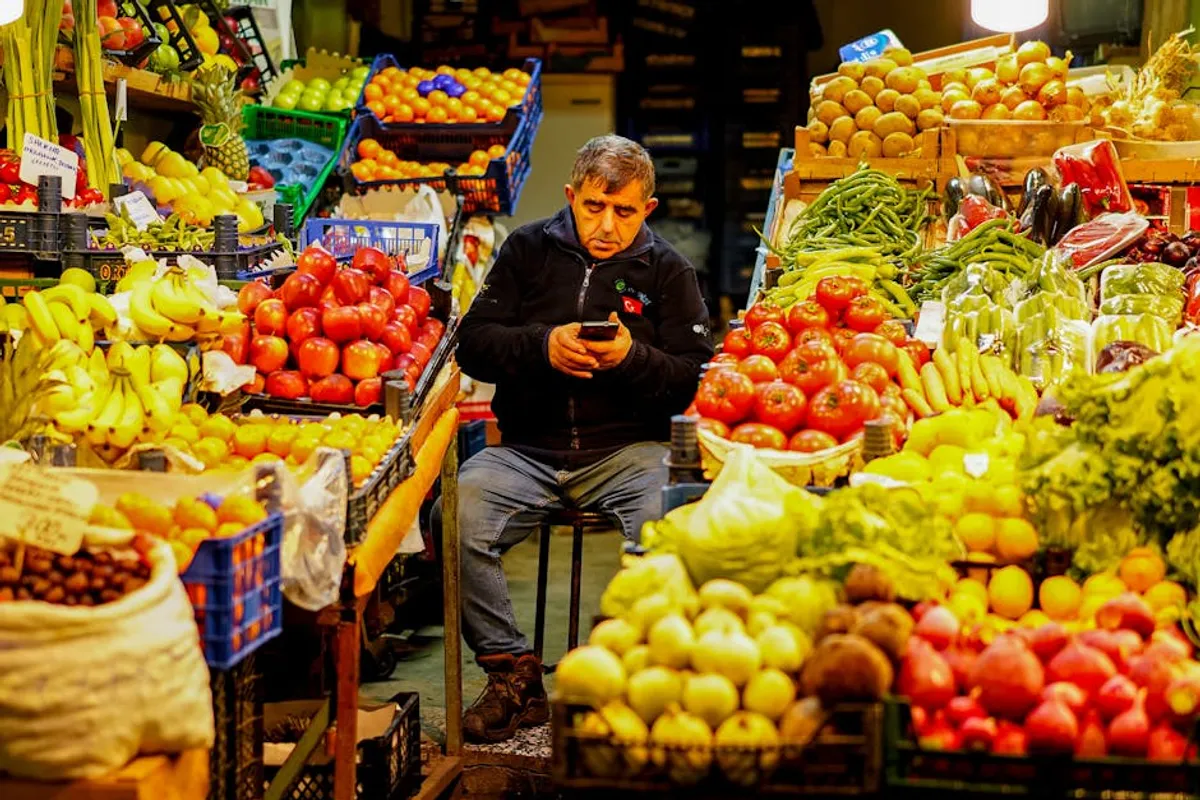
Navigating the landscape of local produce requires an understanding of diverse sourcing channels and the specific value propositions each offers. Consumers increasingly prioritize freshness, sustainability, and community support, driving demand for locally grown goods. However, the term "local" itself can encompass a range of distances and practices, necessitating a clear framework for comparison. This guide outlines the critical factors and common sourcing avenues to inform purchasing decisions, focusing on transparency, quality, and the broader impact of each choice. For those new to the concept, a beginner's guide to local produce can illuminate the path to making conscious choices.
Core Factors for Evaluating Local Produce
Effective comparison of local produce hinges on several key attributes that influence quality, cost, and overall consumer satisfaction. Understanding these factors provides a foundation for assessing different options. Adopting best practices for local sourcing ensures that consumers maximize the benefits of their purchases.
Seasonality and Peak Freshness
The primary advantage of local produce is its proximity to the consumer, often allowing for harvest at peak ripeness. This directly impacts flavor, nutritional density, and shelf life. Produce shipped long distances is frequently picked unripe to withstand transit, compromising these attributes. Local availability is dictated by regional growing seasons, meaning certain items are only accessible for limited windows. A thorough comparison requires aligning purchasing intent with seasonal calendars, recognizing that off-season local options may be limited or non-existent.
Cultivation Methods and Certifications
Beyond geographical proximity, the method of cultivation significantly differentiates local produce. Options range from conventional farming, which may use synthetic pesticides and fertilizers, to organic practices certified by recognized bodies. Other methods include Integrated Pest Management (IPM), which minimizes chemical use, and regenerative agriculture, focusing on soil health. Consumers often weigh the perceived benefits of specific growing practices against their associated costs. Verification through certifications (e.g., USDA Organic, local sustainable farming seals) or direct inquiry with growers is crucial for informed decisions.
Supply Chain Transparency and Distance
The definition of "local" varies widely, from produce grown within a few miles to items sourced within a specific state or region. A shorter, more direct supply chain typically translates to fresher produce, reduced transportation emissions, and often a clearer understanding of the producer. Transparency in the supply chain allows consumers to trace produce back to its origin, fostering trust and enabling direct feedback. Evaluating supply chain length and the number of intermediaries helps determine the true "local" impact and freshness potential.
Price Point Versus Perceived Value
Local produce can sometimes carry a higher price tag than conventionally sourced alternatives. This often reflects smaller-scale production, higher labor costs, and adherence to specific growing practices. However, the perceived value often includes superior freshness, flavor, nutritional content, support for the local economy, and reduced environmental footprint. A comparative assessment must consider this holistic value proposition, rather than solely focusing on unit cost. Factors like reduced spoilage due to freshness can also contribute to overall economic value for the consumer.
Sourcing Channels: A Comparative Overview
The method of acquiring local produce significantly impacts the experience, variety, and directness of connection to the source. Each channel presents distinct advantages and considerations.
Farmers' Markets: Direct Interaction and Variety
Farmers' markets offer direct access to growers, enabling conversations about cultivation methods, seasonality, and specific product characteristics. This channel typically provides the widest selection of seasonal produce, including heirloom varieties and specialty items not found in conventional retail. Pricing can vary between vendors, and negotiation is sometimes possible. The experience often includes community engagement and educational opportunities.
Best for: Consumers prioritizing direct grower relationships, unique varieties, and a vibrant community shopping experience.
Community Supported Agriculture (CSA) Programs: Commitment and Discovery
CSA programs involve purchasing a "share" from a farm at the beginning of the growing season, receiving a weekly or bi-weekly box of produce. This model provides financial stability for farmers and exposes consumers to a diverse range of seasonal vegetables and fruits, often including items they might not typically buy. The commitment involves accepting whatever the harvest yields, fostering culinary creativity. Some CSAs offer customization or add-ons like eggs or meat.
Best for: Consumers seeking a consistent supply of seasonal produce, supporting specific farms directly, and embracing culinary discovery.
Farm Stands and U-Pick Operations: Hyper-Local Experience
Farm stands, often located directly on the farm property, represent the shortest possible supply chain. Produce is typically harvested hours before sale, ensuring maximum freshness. U-pick operations offer an experiential component, allowing consumers to harvest their own produce. Both options provide an intimate connection to the land and the growing process, though variety can be limited to what the specific farm produces. Accessibility depends on proximity to agricultural areas.
Best for: Consumers prioritizing absolute freshness, a direct farm experience, and supporting single-farm operations.
Retail Grocers with Local Programs: Convenience and Scale
Many larger grocery chains now feature "local" sections or specific local produce programs. This channel offers unparalleled convenience, integrating local options into a broader shopping trip. While the produce is local, the direct connection to the grower is often attenuated, and the definition of "local" can be broader. Quality and freshness can vary depending on the grocer's sourcing and handling practices. Pricing may be more competitive due to scale.
Best for: Consumers prioritizing convenience and accessibility, seeking local options within their regular grocery routine.
Online Local Delivery Platforms: Curation and Accessibility
A growing number of online platforms aggregate produce from multiple local farms and deliver directly to consumers. These services offer convenience, often with curated selections and detailed information about each farm. They can expand access to local produce for those without easy access to farmers' markets or farm stands. Pricing may include delivery fees, and the selection is dependent on the platform's network of growers.
Best for: Consumers valuing convenience, curated selections, and expanded access to local produce without physical travel.
Pro Tip: Verifying "Local" Claims
Always scrutinize "local" claims. Ask specific questions about the farm's location, cultivation practices, and harvest dates. Reputable vendors and platforms provide transparent information. For packaged goods, check labels for farm names or regional identifiers. If direct interaction isn't possible, look for explicit signage or website details that confirm the origin and growing methods, rather than relying solely on generic "local" branding.
Strategic Considerations for Informed Choices
Making informed decisions about local produce involves more than just comparing prices or proximity. It requires a strategic approach that aligns personal values with practical realities. Consider the following:
- Define "Local" for Yourself: Establish your own criteria for what constitutes "local" based on your priorities (e.g., within 50 miles, within the state, direct from farmer).
- Prioritize Values: Determine whether freshness, organic certification, supporting a specific farm, cost-effectiveness, or convenience is your highest priority, as these factors often involve trade-offs.
- Explore Multiple Channels: Do not limit yourself to a single sourcing method. Combining farmers' markets for specialty items, a CSA for staples, and local grocery options for convenience can maximize benefits.
- Engage with Growers: Direct communication with farmers at markets or via CSA newsletters provides invaluable insight into their practices, challenges, and upcoming harvests.
- Plan for Seasonality: Embrace the natural rhythm of local agriculture. Plan meals around what is currently in season to maximize freshness and often reduce cost.
Frequently Asked Questions about Local Produce
What is the primary benefit of choosing local produce?
The primary benefit is often superior freshness, as produce is typically harvested at peak ripeness and transported shorter distances, preserving flavor, texture, and nutritional content.
Is local produce always organic?
No, "local" refers to geographical proximity, not cultivation methods. Local farms can use conventional, organic, or other sustainable practices. It's essential to inquire about specific growing methods or look for certifications.
How can I find local produce in my area?
Start by searching for local farmers' markets, CSA programs, and farm stands in your region. Many grocery stores also highlight local products, and online platforms specializing in local food delivery are becoming more common.
Is local produce more expensive?
Prices for local produce can vary. While some items might be higher due to smaller scale production or specific farming practices, others might be comparable or even lower, especially when bought directly from a farm or during peak season. The value often includes higher quality and support for the local economy.