
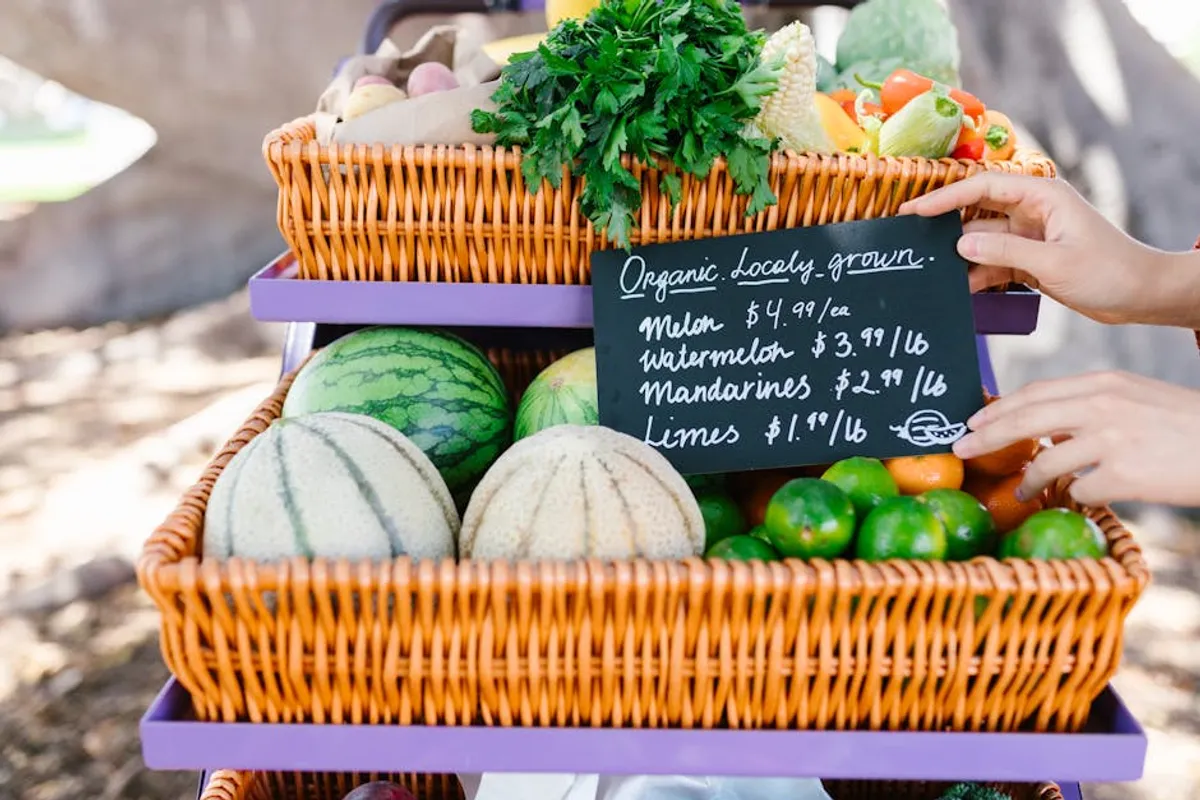
Businesses engaging with local produce navigate a landscape defined by consumer demand for transparency, sustainability, and authenticity. Implementing robust best practices ensures product integrity, fosters strong community ties, and builds a resilient operational framework. This requires a strategic approach to sourcing, supply chain management, marketing, and customer engagement that prioritizes freshness, ethical partnerships, and clear communication.
Defining 'Local' and Verifying Authenticity
The term "local" carries significant weight for consumers, implying freshness, reduced environmental impact, and support for regional economies. However, its definition can vary widely. Establishing a clear, consistent definition for your operation is paramount for maintaining trust and avoiding accusations of greenwashing. This definition should be communicated transparently to both producers and customers.
- Geographic Radius: Specify a precise mileage (e.g., within 100 miles of your distribution point) or a defined region (e.g., "products grown exclusively in [State/County]").
- Producer Ownership: Confirm that the farm or producer is independently owned and operated, not a subsidiary of a larger, non-local corporation.
- Growing Practices: While not strictly part of "local," verifying growing practices (e.g., organic, pesticide-free, regenerative) enhances the value proposition and aligns with consumer expectations for local produce.
Verification is not a one-time task. Regular checks, farm visits, and direct communication with producers are essential for ensuring ongoing compliance with your established criteria. This due diligence protects your brand reputation and reinforces your commitment to genuine local sourcing.
Cultivating Strong Producer Relationships
The foundation of a successful local produce program lies in equitable and reliable relationships with growers. These partnerships extend beyond simple transactions, fostering mutual growth and stability. Building trust requires transparent communication, fair pricing, and consistent support.
Best for: Long-term supply security and community impact.
Establish clear purchasing agreements that outline pricing structures, delivery schedules, and quality standards. Consider offering advance payments or guaranteed purchase volumes to help producers manage cash flow and invest in their operations. This reciprocal support builds loyalty and ensures priority access to quality produce, especially during peak seasons or unexpected challenges.
Optimizing Supply Chain and Distribution
Efficiency in the local produce supply chain directly impacts freshness, reduces waste, and controls costs. Unlike conventional supply chains, local models often involve smaller batch sizes, more frequent deliveries, and direct farm-to-consumer or farm-to-business routes.
Streamlining Logistics for Freshness
Minimize transit times from harvest to delivery. This often means optimizing routes for multiple farm pickups or establishing central aggregation points for several producers. Implementing robust cold chain management from the moment of harvest through storage and delivery is critical for preserving quality and extending shelf life. Use appropriate packaging that protects produce during transit and handling.
Considering Direct-to-Consumer Models
For some operations, direct sales channels like farmers' markets, CSA (Community Supported Agriculture) programs, or online ordering with local pickup/delivery can be highly effective. These models cut out intermediaries, allowing producers to retain a larger share of the revenue and offering consumers the freshest possible product. They also provide direct feedback channels, strengthening the producer-consumer connection.
Pro Tip: Implement a robust inventory tracking system that integrates with your sales channels. This prevents overselling, reduces spoilage, and provides valuable data on popular items and peak demand periods, informing future purchasing decisions and minimizing waste.
Engaging Consumers and Building Brand Trust
Consumers choose local produce not just for quality, but for the story behind it. Effective marketing leverages this narrative, connecting customers to the people, places, and practices that bring food to their tables.
Telling the Producer Story
Showcase the farmers, their families, and their farms. Share details about their growing methods, challenges, and successes. Use high-quality photography and video to bring these stories to life on your website, social media, and in-store signage. This humanizes the product and creates an emotional connection that transcends price point.
Best for: Differentiating your offering and fostering brand loyalty.
Leveraging Digital Presence
Ensure your online presence clearly highlights your commitment to local sourcing. Create dedicated sections on your website detailing your local producers, their products, and your definition of "local." Optimize content with relevant local keywords to ensure customers searching for local produce in their area can find you. Engage with your community online through social media, sharing updates from farms, seasonal availability, and recipes that feature local ingredients.
Operational Excellence for Quality and Safety
Maintaining the quality and safety of local produce from farm to customer requires diligent operational practices. This includes proper handling, storage, and adherence to food safety standards. These efforts in maintaining the quality and safety are key components of local produce tips for success.
Post-Harvest Handling and Storage
Educate staff on best practices for handling delicate produce to prevent bruising and damage. Implement strict temperature control protocols for storage areas, ensuring produce is kept at optimal conditions to maximize freshness. Rotate stock regularly using a "first-in, first-out" (FIFO) system to minimize waste.
Food Safety Compliance
Adhere to all local, state, and federal food safety regulations. This includes proper sanitation, pest control, and staff training on hygiene. For businesses that process or package produce, ensure facilities meet health department standards and consider certifications like HACCP (Hazard Analysis and Critical Control Points) to demonstrate a commitment to safety.
Navigating Regulatory Landscapes
Understanding and complying with regulations is a non-negotiable aspect of operating with local produce. This can include food safety laws, labeling requirements, and potentially specific agricultural certifications.
Stay informed about current and upcoming regulations affecting agricultural products and food sales in your region. Work with your producers to ensure they are also compliant with relevant farming and harvest regulations. Clear labeling, including origin and any certifications (e.g., organic, non-GMO), builds consumer confidence and meets legal requirements.
Actionable Steps for Implementation
To integrate these best practices effectively, consider a phased approach focusing on continuous improvement:
- Define 'Local': Clearly articulate your definition and communicate it internally and externally.
- Audit Current Sourcing: Evaluate existing suppliers against your 'local' criteria and identify gaps.
- Strengthen Producer Agreements: Review and update contracts to ensure fairness and clarity.
- Optimize Logistics: Analyze your current distribution routes and cold chain processes for efficiency.
- Develop Storytelling Content: Gather stories, photos, and videos from your local producers.
- Staff Training: Educate your team on local produce handling, storage, and the stories behind the products.
- Monitor and Adapt: Regularly collect feedback from customers and producers, and adjust practices as needed.
Frequently Asked Questions
What defines "local produce" legally?
The legal definition of "local" can vary significantly by region and specific program. For instance, the USDA defines "locally or regionally produced agricultural food product" as one marketed within 400 miles of its origin, or within the state in which it is produced. However, many businesses adopt stricter, more specific definitions for their own operations, often within a 50-100 mile radius.
How can I verify a producer's claims about their growing practices?
Verification methods include farm visits, requesting copies of organic certifications (if applicable), asking for details on pest management or fertilization practices, and reviewing third-party audits. Building a relationship based on trust and open communication is key, often starting with a site visit to understand their operations firsthand.
What are the main challenges in sourcing local produce?
Key challenges include seasonal availability, which can lead to inconsistent supply; higher costs compared to conventionally sourced produce due to smaller scales and different labor practices; and logistical complexities involving multiple small producers rather than a few large distributors. Weather variability also poses a significant risk to harvest yields. Understanding the challenges in sourcing local produce can help businesses avoid common local produce mistakes to avoid.
How does local produce benefit my business beyond consumer appeal?
Beyond marketing advantages, local sourcing can reduce transportation costs, offer fresher products with longer shelf life, allow for greater flexibility in ordering, and provide a unique product differentiation. It also strengthens local economies and builds community goodwill, which can translate into greater customer loyalty and positive brand perception.