
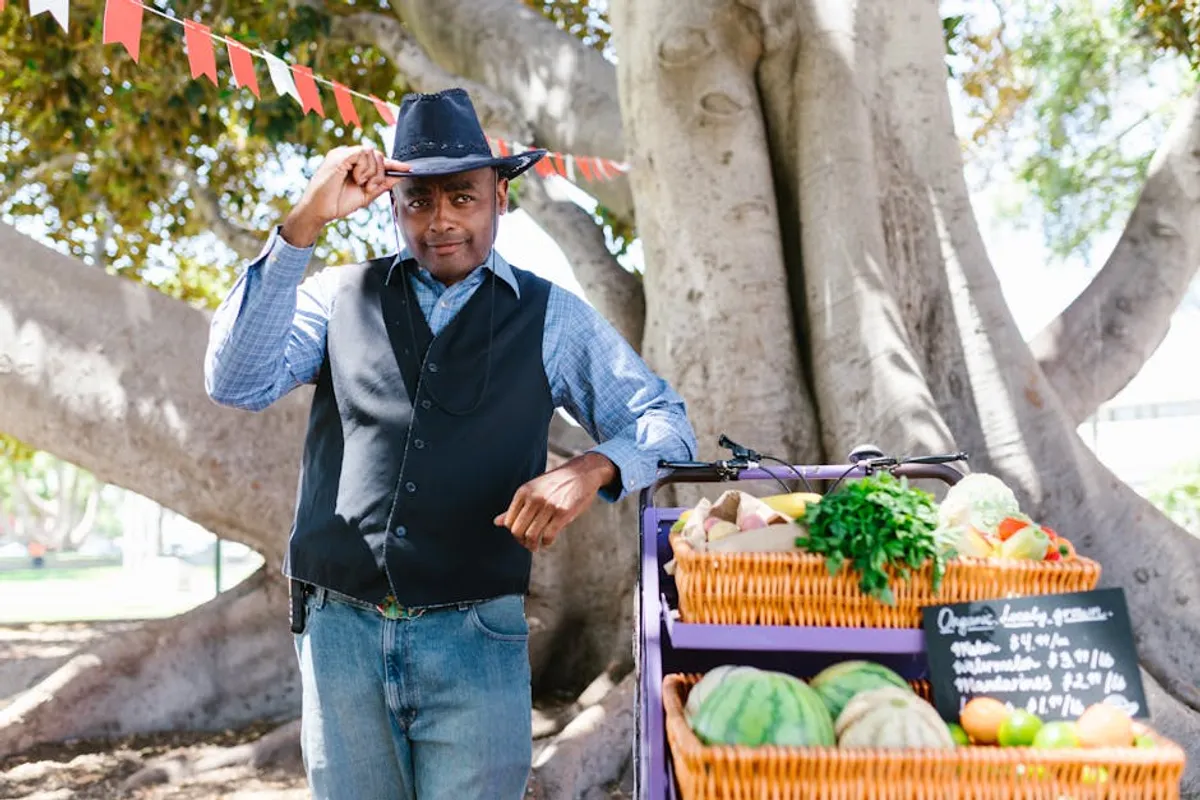
The increasing consumer demand for transparency, freshness, and community connection has elevated local produce from a niche preference to a significant market driver. For businesses, understanding and integrating local sourcing offers distinct commercial advantages, impacting everything from supply chain efficiency to brand perception and customer loyalty. This overview examines the multifaceted landscape of local produce, detailing its core definitions, tangible benefits, and practical considerations for both procurement and consumer engagement. Businesses can gain a competitive edge by staying informed about emerging local produce trends and consumer preferences.
Defining "Local" in Produce Sourcing
The term "local produce" lacks a universally standardized definition, often leading to varied interpretations across regions and consumer expectations. Generally, it refers to food grown, harvested, and distributed within a specific geographic proximity to its point of sale or consumption. Common benchmarks include:
- Mileage Radius: Often cited as within 100 to 400 miles of the point of sale. This metric provides a clear, measurable boundary.
- State or Regional Boundaries: Produce grown within the same state or a defined multi-state region, regardless of precise mileage, particularly in larger geographical areas.
- Community Proximity: Emphasizing direct relationships with nearby farms, often within a single county or adjacent counties, fostering a strong sense of community support.
For businesses, clearly articulating their definition of "local" is crucial for managing customer expectations and substantiating marketing claims. Transparency regarding sourcing distances or farm locations builds trust and validates premium pricing.
Commercial Advantages of Local Produce Integration
Incorporating local produce into supply chains or consumer purchasing habits yields several specific benefits beyond general appeal.
Enhanced Product Quality and Shelf Life
Local produce typically travels shorter distances from farm to market, reducing transit time and minimizing handling. This expedited journey means produce is often harvested at peak ripeness, preserving its flavor, texture, and nutritional value. For retailers and restaurants, this translates to:
- Superior Taste Profile: A key differentiator for attracting and retaining customers, especially in competitive culinary markets.
- Extended Shelf Life: Fresher produce reduces spoilage and waste, improving inventory management and profitability.
- Higher Nutritional Content: Less time spent in transit or storage means fewer nutrient losses, aligning with health-conscious consumer preferences.
Supply Chain Resilience and Agility
Sourcing locally diversifies and shortens the supply chain, reducing reliance on distant, complex logistics networks. This proximity offers:
- Reduced Transportation Costs and Carbon Footprint: Shorter hauls mean lower fuel expenses and a smaller environmental impact, appealing to eco-conscious consumers.
- Faster Response to Demand Fluctuations: Local producers can often adapt more quickly to changes in market demand or unexpected supply disruptions, ensuring consistent availability of key items.
- Direct Producer Relationships: Fosters stronger partnerships, allowing for better communication, quality control, and potential for custom orders or unique varietals.
Strengthened Brand Identity and Community Engagement
Highlighting local sourcing resonates strongly with consumers seeking authentic experiences and a connection to their food. This strategy contributes to:
- Marketing Differentiation: "Farm-to-table" or "locally sourced" messaging provides a compelling narrative that distinguishes businesses from competitors.
- Increased Customer Loyalty: Consumers often feel a sense of pride and connection when supporting local economies, translating into repeat business and positive word-of-mouth.
- Economic Impact: Dollars spent locally recirculate within the community, supporting local farmers and related businesses, which can be a powerful marketing story.
Pro Tip: When marketing local produce, always verify and clearly communicate the specific origin and practices of your growers. Generic "local" claims without substantiation risk eroding consumer trust. Consider featuring grower profiles or farm names to add authenticity and transparency. Following these guidelines will help ensure you are implementing best practices for marketing local produce effectively.
Challenges and Practical Considerations
While advantageous, integrating local produce presents specific operational challenges that require strategic planning.
Seasonality and Availability
Local produce is inherently tied to regional growing seasons, meaning availability fluctuates significantly throughout the year. This requires:
- Menu or Inventory Adaptability: Businesses must plan menus or stock inventories to reflect seasonal changes, potentially rotating offerings more frequently.
- Preservation Strategies: Exploring methods like freezing, canning, or pickling can extend the usability of seasonal gluts.
- Diversified Sourcing: Balancing local options with broader supply chains to ensure consistent availability of essential items year-round.
Scale, Consistency, and Cost
Local farms, particularly smaller operations, may not always be able to meet the volume or consistency requirements of larger commercial buyers. Additionally, local produce can sometimes carry a higher per-unit cost due to smaller-scale production and often more sustainable practices. Addressing these points involves:
- Building Relationships with Multiple Local Growers: Diversifying farm partnerships to meet volume needs and mitigate individual farm limitations.
- Understanding Cost-Benefit: Evaluating the premium for local produce against its marketing value, reduced waste, and enhanced customer appeal. Consumers are often willing to pay more for perceived quality and ethical sourcing.
- Logistical Coordination: Establishing efficient pickup or delivery schedules with local farmers, who may not have extensive distribution networks.
Moving Forward with Local Sourcing Initiatives
Successfully integrating local produce into any operation—whether a restaurant, grocery store, or individual household—requires a proactive approach. Start by identifying reliable local producers through farmers' markets, agricultural cooperatives, or regional food hubs. Establish clear communication channels to discuss volume, delivery schedules, and quality expectations. For businesses, consider developing a "local sourcing policy" that outlines your commitment and criteria, providing a framework for both internal operations and external marketing. Education for staff and customers on the benefits and seasonality of local options can further enhance engagement and appreciation.
Frequently Asked Questions About Local Produce
What is the typical distance for "local" produce?
While there's no single definition, "local" commonly refers to produce grown within 100 to 400 miles of its point of sale, or within the same state or region.
Does local produce always cost more?
Not necessarily. While some local produce may carry a premium due to smaller scale or specific farming practices, reduced transportation costs can sometimes offset this. Consumers often perceive higher value in local options, justifying a price difference.
How can I find local produce in my area?
Farmers' markets, Community Supported Agriculture (CSA) programs, farm stands, and specialty grocery stores are excellent resources. Many regions also have online directories of local farms and food hubs.
Is local produce always organic?
No, "local" refers to geographic origin, while "organic" refers to specific farming practices certified by regulatory bodies. Some local farms are organic, others are not, and some use sustainable practices without formal organic certification.