
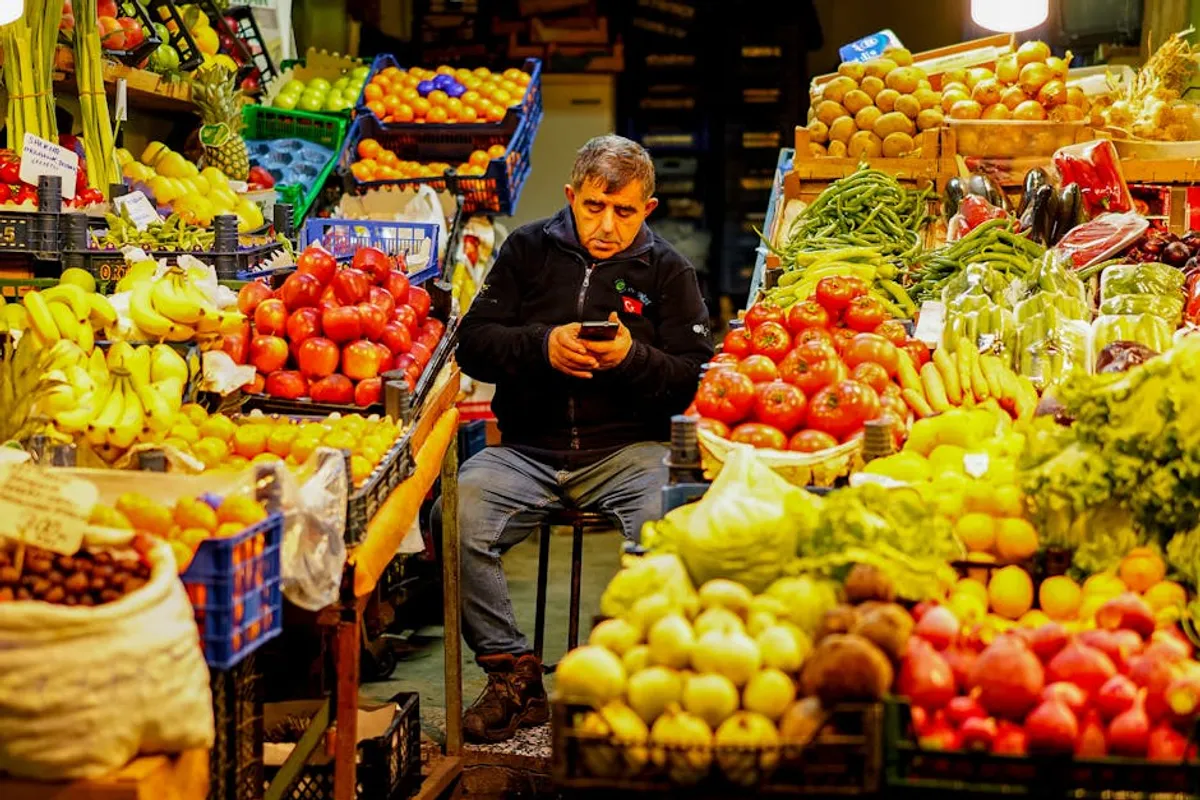
The landscape of food consumption is shifting, driven by heightened consumer awareness regarding origin, environmental impact, and health. For businesses, marketers, and content publishers operating within the food sector, identifying and responding to these evolving preferences in local produce is not merely a matter of staying current; it represents a direct commercial imperative. Understanding these trends allows for the strategic alignment of product sourcing, marketing narratives, and content creation with demonstrable consumer demand, unlocking new market segments and reinforcing brand relevance.
Emerging Consumer Demands Shaping Local Produce Markets
The concept of "local" has deepened, moving beyond simple proximity to encompass a broader set of values. Consumers are increasingly discerning, seeking not just geographically close products but those that align with specific ethical and environmental criteria. This expanded definition of local is creating distinct market opportunities.
Hyper-Locality and Micro-Sourcing
The demand for produce with a verifiable, specific origin has intensified. Consumers are moving past general "local" labels to seek out products from named farms, specific growers, or even particular fields. This isn't just about reducing food miles; it's about connecting with the story and people behind their food. For businesses, this translates into a need for granular supply chain transparency and the ability to highlight individual producers. Publishers can capitalize on this by creating content that profiles local farms, details growing practices, and offers "meet the grower" narratives, driving engagement and trust.
Sustainability and Regenerative Agriculture
Environmental concerns are directly influencing purchasing decisions. Local produce grown using sustainable or regenerative agricultural practices commands a premium and attracts a dedicated consumer base. This includes methods that focus on soil health, biodiversity, water conservation, and reduced chemical inputs. Marketers should prioritize showcasing certifications, land stewardship practices, and the ecological benefits of their sourced produce. Content strategies can include explainer articles on regenerative farming techniques, environmental impact reports, and comparisons of conventional versus sustainable local options, positioning the brand as an authority and advocate for responsible food systems.
Seasonality and "Ugly" Produce Acceptance
There's a growing appreciation for eating in tune with natural harvest cycles, driven by both flavor and sustainability. Seasonal availability is no longer seen as a limitation but as a marker of freshness and authenticity. Concurrently, the movement to reduce food waste has fostered greater acceptance of "ugly" or imperfect produce, which often tastes identical to its blemish-free counterparts. Businesses can leverage this by offering seasonal product rotations, highlighting peak freshness, and implementing programs for cosmetically challenged produce. Publishers can develop seasonal recipe guides, "what's in season now" calendars, and educational content on food waste reduction, encouraging conscious consumption.
- Direct-to-Consumer (D2C) Models: The pandemic accelerated the adoption of D2C channels, including Community Supported Agriculture (CSA) boxes, online farm stores, and direct delivery services. This trend continues as consumers value convenience, freshness, and direct connection with producers.
- Heirloom and Specialty Varieties: Beyond common supermarket staples, there's a rising interest in unique, heritage, or specialty produce varieties. These often offer distinct flavors, colors, and textures, appealing to culinary enthusiasts and those seeking novel food experiences.
- Health and Wellness Integration: Local produce is often perceived as fresher and more nutrient-dense due to shorter transit times. This aligns with broader health and wellness trends, where consumers seek out foods that contribute directly to their well-being.
Strategic Implications for Content and Marketing
These evolving trends offer clear pathways for businesses and publishers to refine their strategies. The focus should be on authenticity, education, and transparency.
Optimizing for Search and Discovery
For SEO professionals, these trends translate into specific keyword opportunities. Beyond broad terms like "local produce," consider long-tail phrases such as "regenerative farm [city name] vegetables," "heirloom tomatoes [region] delivery," "seasonal produce box [state]," or "sustainable farming practices [local area]." Developing content clusters around specific farms, growing methods, or seasonal cycles can capture highly motivated searchers. Ensure local schema markup is correctly implemented for physical farm locations or pickup points.
Pro Tip: Authenticity is paramount. When promoting local and sustainable produce, ensure all claims are verifiable. "Greenwashing" or vague assertions about environmental practices can quickly erode consumer trust. Provide specific details: farm names, certifications (e.g., organic, Certified Regenerative), and concrete examples of sustainable practices. Use high-quality imagery and video to visually connect consumers with the source and process.
Building Trust Through Transparency
Consumers want to know the journey of their food. Implement strategies that provide clear traceability, such as QR codes on packaging that link to farm profiles, harvest dates, or even grower interviews. Feature stories about farmers, their families, and their commitment to quality and sustainability on your website and social channels. This humanizes the product and builds a powerful emotional connection, distinguishing your offerings in a competitive market.
Adapting Product and Service Offerings
Businesses should review their sourcing and inventory. Can you partner with more hyper-local, regenerative farms? Can you offer CSA-style boxes or seasonal subscriptions? Are there opportunities to introduce more heirloom or specialty varieties that cater to adventurous palates? For publishers, this means creating content that supports these offerings – recipe development for specific produce types, guides to starting a CSA, or features on unique local ingredients.
Actionable Steps for Market Engagement
To effectively engage with these local produce trends, consider a multi-faceted approach that integrates sourcing, marketing, and content.
First, conduct an audit of your current local produce offerings and identify gaps where consumer demand is growing but your supply is limited. Seek out new partnerships with local growers who align with sustainability and transparency values. Second, refine your messaging to explicitly highlight the provenance, growing practices, and unique characteristics of your local produce. This includes website copy, product descriptions, and marketing campaigns. Third, invest in content that educates and inspires. This could range from blog posts detailing the benefits of seasonal eating to video tours of partner farms, or interactive maps showing local sourcing locations. Finally, gather feedback from your customer base to continuously adapt your strategy, ensuring your offerings remain relevant and compelling.
Frequently Asked Questions
What defines "local" produce in the context of these trends?
While often legally defined by a specific mileage radius (e.g., within 100-400 miles of the point of sale or within the same state), the consumer perception of "local" is evolving to include specific, verifiable farm origins and ethical growing practices, rather than solely geographic proximity.
How do these trends impact online sales and e-commerce platforms?
These trends create significant opportunities for e-commerce by allowing businesses to offer curated local produce boxes, facilitate direct farm-to-consumer sales, and provide detailed product information (farm stories, certifications) that builds trust online. High-quality visuals and transparent sourcing details are crucial for conversion.
Are consumers willing to pay more for local and sustainable produce?
Yes, a significant segment of consumers demonstrates a willingness to pay a premium for produce that is locally sourced, sustainably grown, and ethically produced. This willingness is driven by perceived benefits in freshness, taste, health, and environmental responsibility, making it a viable market for businesses.
What role does technology play in supporting local produce trends?
Technology supports these trends through online marketplaces connecting consumers directly with farms, inventory management systems for seasonal produce, traceability solutions (like blockchain or QR codes), and digital marketing tools that allow businesses to tell compelling stories about their local sources and practices.