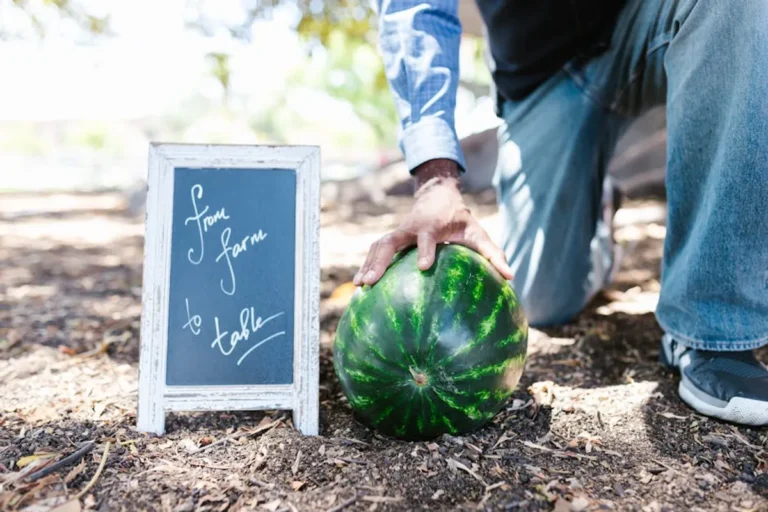
Navigating the world of local produce offers distinct advantages, from enhanced flavor and nutritional value to supporting regional economies and reducing environmental impact. For consumers prioritizing quality and sustainability, understanding how to identify, procure, and utilize local food effectively is key. This guide provides actionable tips to integrate fresh, seasonal produce into your diet, focusing on practical sourcing methods, optimal storage, and creative usage to maximize its benefits. This guide will cover practical ways to source food and prepare it for maximum benefit.
Identifying Truly Local Sources
The term "local" can be broadly interpreted, making it crucial to understand direct sourcing channels and how to verify origin. Direct engagement with growers often yields the freshest products and allows for direct inquiries about cultivation practices.
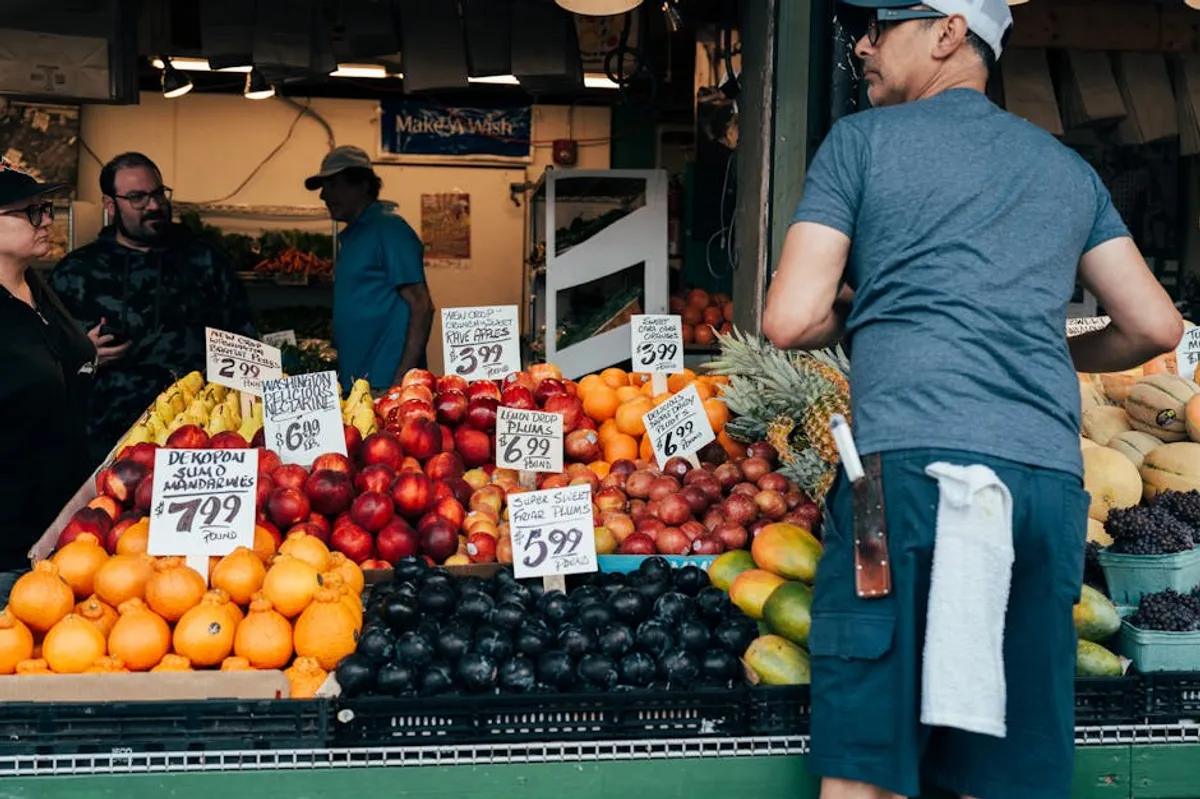
Farmers' Markets and Farm Stands
Farmers' markets are primary venues for direct-from-farm purchases. When visiting, inquire about the farm's location and growing methods. Look for vendors who can articulate their practices, such as pest management or soil health initiatives.
Verification tip: Ask about specific harvest dates. Truly local produce often means it was picked within 24-48 hours. A vendor who can provide this detail indicates genuine freshness. Be wary of stalls selling identical produce to a nearby supermarket, as these might be resellers rather than direct growers.
Community Supported Agriculture (CSAs)
CSAs involve purchasing a "share" directly from a local farm at the beginning of the growing season. In return, members receive a regular box of seasonal produce throughout the harvest period. This model provides financial stability for farmers and offers consumers guaranteed access to fresh, diverse produce.
Benefit: CSAs often introduce consumers to a wider variety of vegetables and fruits they might not typically buy, encouraging culinary exploration. Research local farms offering CSA programs, evaluating their crop diversity and delivery/pickup options.
Local Grocery Store Sections
Many larger grocery stores now feature "local" sections. While convenient, the definition of "local" here can vary significantly, sometimes encompassing produce from an entire state or region rather than just nearby farms. When shopping at larger stores, keep this local produce checklist in mind and know the key things to look for.
Identification strategy: Examine signage for specific farm names and locations. If the information is vague or absent, consider asking store staff for clarification on the produce's origin. Prioritize items with clear farm identification over generic "local" labels.
Understanding Seasonality for Peak Quality
Eating seasonally aligns with nature's cycles, offering produce at its flavor peak and often at a better price point due to abundance. Seasonal produce typically travels shorter distances, preserving its nutritional integrity and reducing its carbon footprint.
To effectively incorporate seasonal produce, research regional harvest calendars. Many agricultural extension offices or local food organizations publish these online. Knowing what's available each month allows for proactive meal planning and more efficient shopping. For instance, berries are best in summer, while root vegetables shine in fall and winter. This knowledge prevents disappointment and ensures you are selecting produce when it is naturally at its best.
Maximizing Freshness and Storage
Proper handling and storage are critical for extending the life of local produce, minimizing waste, and retaining quality.
Pre-Purchase Inspection
Before buying, visually inspect produce for signs of quality. Look for vibrant colors, firm textures, and an absence of blemishes, soft spots, or mold. For leafy greens, ensure leaves are crisp and not wilted. For fruits, a gentle sniff can often indicate ripeness; a strong, pleasant aroma suggests peak flavor.
Proper Storage Techniques
Different types of produce require specific storage conditions to maintain freshness:
- Leafy Greens (e.g., lettuce, spinach, kale): Wash, dry thoroughly, and store in an airtight container lined with a paper towel in the refrigerator. This minimizes moisture loss and prevents spoilage.
- Root Vegetables (e.g., carrots, beets, potatoes): Store in a cool, dark, well-ventilated area. Potatoes and onions should be stored separately as gases from onions can accelerate potato sprouting.
- Berries (e.g., strawberries, blueberries, raspberries): Do not wash until just before eating. Store unwashed in their original container or a shallow, breathable container in the refrigerator.
- Tomatoes: Store at room temperature, away from direct sunlight, stem-side down. Refrigeration can diminish their flavor and texture.
- Herbs: For hardier herbs like rosemary or thyme, wrap in a damp paper towel and place in a sealed bag in the fridge. For tender herbs like parsley or cilantro, trim stems and place in a glass of water like a bouquet, then cover loosely with a plastic bag and refrigerate.
Pro Tip: Avoid washing most produce until immediately before use. Excess moisture encourages bacterial growth and accelerates spoilage, particularly for berries and leafy greens. If you must pre-wash, ensure produce is thoroughly dried with a salad spinner or clean towel before storage.
Creative Ways to Use Abundant Local Produce
When local harvests yield a surplus, creative culinary approaches prevent waste and extend the enjoyment of seasonal flavors.
Batch cooking and preservation: Consider methods like freezing, canning, or pickling. Blanching and freezing vegetables (e.g., green beans, corn, peas) preserves their texture and nutrients for later use. Fruits can be frozen for smoothies or made into jams and preserves. Pickling offers a tangy way to extend the life of cucumbers, green beans, or even carrots.
Embrace 'ugly' produce: Many local farms offer "imperfect" produce at a reduced price. These items, though cosmetically challenged, are perfectly fine for consumption and taste identical to their flawless counterparts. Utilizing them reduces food waste and supports farmers who might otherwise discard them.
Reduce food waste: Beyond preservation, integrate vegetable scraps into broths or stocks. Use fruit peels in infused waters or vinegars. Creative utilization of every edible part of the plant maximizes your investment in local produce.
Integrating Local Produce into Your Routine
Making local produce a regular part of your diet involves conscious choices and strategic planning. Start by identifying one or two local sources accessible to you, such as a weekly farmers' market or a nearby farm stand. Commit to purchasing at least one new seasonal item each week to expand your culinary repertoire. Plan meals around these seasonal acquisitions, prioritizing their freshness. Consider participating in a CSA for a consistent supply and exposure to diverse crops. By actively seeking out and properly managing local produce, you enhance your diet, support sustainable agriculture, and enjoy superior flavor.
Frequently Asked Questions
Is local produce always organic?
No, "local" refers to geographical proximity, while "organic" refers to specific farming practices that avoid synthetic pesticides, fertilizers, GMOs, and other regulated substances. Many local farmers use organic or sustainable methods without official certification, which can be costly. It's best to ask individual farmers about their growing practices.
How can I find out what's in season near me?
Check websites of local agricultural extension offices, farmers' market associations, or regional food guides. Many online resources provide seasonal produce calendars specific to your climate zone, detailing typical harvest times for various fruits and vegetables.
Is local produce more expensive?
Prices can vary. Some local produce, especially specialty items or early-season crops, might be priced higher due to smaller scale production and direct sales. However, in peak season, abundant local produce can often be comparable to or even cheaper than supermarket alternatives, particularly when buying directly from a farm or through a CSA.
What if I don't have a farmers' market nearby?
Explore other options such as farm stands, roadside stalls, or local food co-ops that source from regional farms. Some grocery stores have dedicated local sections, though verification of origin may require inquiry. Online directories for CSAs or local food hubs can also help connect you with nearby growers.