
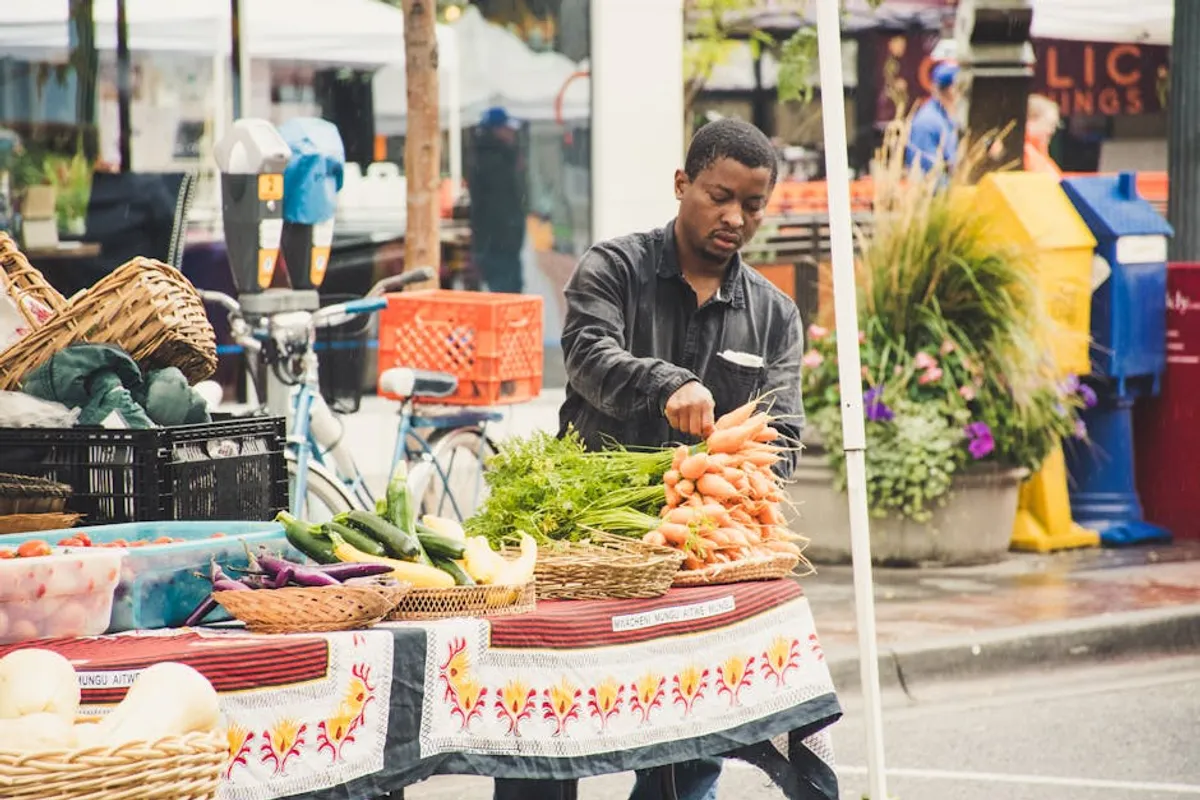
Understanding where food originates and how it reaches your table has become a priority for many consumers. Local produce, defined generally as food grown and harvested within a specific geographic radius of its point of sale, offers distinct advantages that extend beyond taste. This guide provides a foundational understanding of local produce, outlining its benefits, how to identify it, and practical steps for integrating it into your diet.
Defining "Local": What It Means for Your Food
The term "local" lacks a single, universally accepted definition, varying significantly by region, retailer, and even consumer perception. For some, local might mean produce grown within a 100-mile radius; for others, it could encompass an entire state or a specific foodshed. The USDA, for instance, defines "locally or regionally produced agricultural food product" as one marketed directly to consumers or institutions within 400 miles of its origin, or within the state in which it is produced.
This variability means that when seeking local produce, it is often necessary to inquire directly at the source. Farmers at markets, for example, can typically specify their farm's location, allowing you to gauge its proximity. Grocery stores often use labels, but these can sometimes represent a broader regional definition rather than immediate local sourcing. Understanding these nuances helps in making informed choices about the food you purchase.
Key Advantages of Choosing Local Produce
Opting for local produce offers a range of benefits that impact flavor, nutrition, and community well-being. These advantages stem primarily from reduced travel times and direct relationships between growers and consumers.
- Enhanced Freshness and Flavor: Produce destined for local markets can be harvested at peak ripeness, often just days or hours before sale. This contrasts with produce shipped long distances, which is frequently picked unripe to withstand transit, compromising its natural flavor and texture.
- Higher Nutritional Value: The nutrient content of fruits and vegetables can degrade over time after harvest. Shorter transport distances mean less time between farm and plate, potentially preserving more vitamins, minerals, and antioxidants that are vital for health.
- Reduced Environmental Impact: Local food systems typically involve shorter supply chains, leading to lower energy consumption for transportation, refrigeration, and packaging. This translates to a smaller carbon footprint compared to produce that travels thousands of miles.
- Support for Local Economies: Purchasing local produce directly supports farmers and agricultural businesses within your community. This economic injection helps sustain family farms, creates local jobs, and keeps money circulating within the regional economy.
- Greater Transparency and Trust: Buying directly from farmers or well-vetted local sources allows consumers to ask questions about growing practices, pest management, and harvesting methods. This direct interaction builds trust and provides a clearer understanding of food origins.
Finding and Accessing Local Produce Sources
Integrating local produce into your diet is made easier by understanding the various channels available. Each source offers a unique experience and level of directness with the grower.
Farmers' Markets
These are often the most direct way to connect with local farmers. Markets provide an opportunity to speak with growers, learn about their methods, and select from a wide array of seasonal offerings. Market vendors are usually the farmers themselves or their direct representatives, ensuring authenticity.
Best for: Direct farmer interaction, freshest selection, discovering unique regional varieties.
Community Supported Agriculture (CSA) Programs
A CSA involves purchasing a "share" or subscription directly from a farm at the beginning of the growing season. In return, members receive a regular box of fresh, seasonal produce throughout the harvest period. This model provides farmers with upfront capital and consumers with a consistent supply of local food.
Best for: Consistent access to seasonal produce, supporting farm stability, trying new vegetables.
Farm Stands and U-Pick Operations
Many farms operate roadside stands or allow customers to visit and pick their own produce directly from the fields. This offers an immersive experience and guarantees the freshest possible product, as you are often harvesting it yourself.
Best for: Farm experience, ultra-fresh produce, family outings, larger quantities for preserving.
Grocery Stores with Local Programs
A growing number of supermarkets are sourcing produce from local farms. Look for clear labeling that indicates the farm name and location. While less direct than a farmers' market, these programs make local produce more accessible to a broader consumer base. Always verify the definition of "local" used by the store.
Best for: Convenience, integrating local produce into regular grocery shopping.
Pro Tip: When visiting a farmers' market, don't hesitate to ask farmers about their growing practices. Inquire about pesticides, fertilizers, and how they manage their soil. This direct conversation provides valuable insight into the quality and sustainability of the produce you are buying, often beyond what a simple "organic" label might convey.
Navigating Seasonal Availability
Eating locally means aligning your diet with the natural growing cycles of your region. This can be a shift from the year-round availability of certain items in conventional grocery stores, but it opens up opportunities to enjoy produce at its peak.
Understanding what's in season helps you plan meals, discover new ingredients, and appreciate the distinct flavors each season offers. For example, summer brings berries, tomatoes, and corn, while autumn yields squash, apples, and root vegetables. Resources like local agricultural extension offices or online seasonal food guides can provide specific calendars for your area.
Buying and Storing Local Produce Effectively
To maximize the freshness and longevity of your local produce, consider these practical tips:
- Inspect Before Buying: Look for vibrant colors, firm textures, and a fresh aroma. Avoid produce with significant blemishes, mold, or signs of wilting, unless it's a specific variety known for a softer texture.
- Handle with Care: Freshly picked produce can be delicate. Pack items carefully in your shopping bag to prevent bruising, especially for soft fruits like berries or ripe tomatoes.
- Proper Storage:
- Refrigeration: Most leafy greens, berries, and cruciferous vegetables (broccoli, cauliflower) benefit from refrigeration in a crisper drawer. Wash them just before use, not before storage, to prevent premature spoilage.
- Countertop: Tomatoes, onions, potatoes, and most fruits (like apples and pears) ripen best at room temperature away from direct sunlight. Once ripe, some fruits can be moved to the refrigerator to extend their life.
- Specific Needs: Herbs often do well with their stems in a small glass of water, covered loosely with a plastic bag. Root vegetables should be stored in a cool, dark, dry place.
- Wash When Ready to Eat: Washing produce too early can introduce moisture that encourages bacterial growth and spoilage. Wait until you're about to consume or prepare it.
Embracing Local Food Systems
Choosing local produce is a deliberate decision that supports health, community, and environmental stewardship. By understanding what "local" means, exploring diverse sourcing options, and adopting smart buying and storage practices, you can consistently enjoy the superior taste and benefits of food grown close to home. Start with one farmers' market visit or a single CSA share, and gradually integrate more local options into your routine. The journey into local food systems offers both culinary rewards and a deeper connection to where your food comes from.
Frequently Asked Questions About Local Produce
Is local produce always organic?
No, "local" refers to proximity, while "organic" refers to specific farming practices certified by a third party. Many local farmers use organic or sustainable methods without official certification due to cost or philosophical reasons. It's best to ask the farmer directly about their growing practices if you have questions about chemicals or pesticides.
How can I tell if produce is truly local at a grocery store?
Look for clear labeling that specifies the farm name and its location. If the information is vague or absent, ask a store employee. Reputable stores that prioritize local sourcing are typically transparent about their partnerships with nearby farms.
What's the best way to store fresh produce to make it last longer?
Storage varies by produce type. Most leafy greens and berries benefit from refrigeration in a crisper drawer, unwashed until ready to use. Tomatoes, onions, and potatoes prefer cool, dark, room-temperature storage. Root vegetables also store well in cool, dark conditions. Consult a produce storage guide for specific items.
Is local produce always more expensive than conventional produce?
Not necessarily. While some specialty local items might carry a premium, many staple items can be competitively priced, especially when bought directly from farmers at markets or through CSA programs. Prices often reflect the true cost of production, without the added expenses of long-distance shipping and extensive marketing.