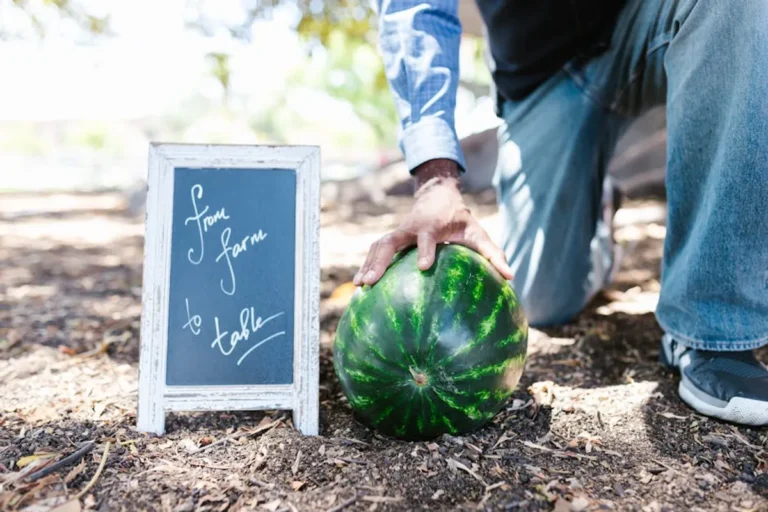

Adopting a seasonal eating strategy offers direct benefits for both nutritional intake and economic efficiency. The decision to integrate seasonal foods into your diet fundamentally shifts how you approach meal planning, grocery shopping, and even food preservation. A well-constructed seasonal eating checklist serves as the foundational tool for this shift, providing a clear, actionable framework to identify, source, and utilize ingredients at their peak. This isn't merely about following a trend; it's about optimizing for freshness, flavor, nutrient density, and often, cost savings, by aligning consumption with natural harvest cycles. Understanding how to build and leverage such a checklist ensures you capitalize on these advantages throughout the year. A well-constructed seasonal eating checklist serves as the foundational tool for this shift, providing a clear, actionable framework to identify, source, and utilize ingredients at their peak, and this shift to seasonal eating can be easily initiated with a beginner's guide.
Defining the Seasonal Eating Checklist
A seasonal eating checklist is a structured inventory of fruits, vegetables, and sometimes other local produce (like certain fish or dairy products) that are naturally in season within a specific geographical region during particular months or seasons. It acts as a dynamic guide, informing purchasing decisions and meal preparation by highlighting what is most abundant, freshest, and typically most affordable at any given time. This tool moves beyond generic "eat your veggies" advice, providing specific, localized data to inform your food choices. This tool moves beyond generic "eat your veggies" advice, providing specific, localized data to inform your food choices by offering a comprehensive local produce checklist.
Key components typically include:
- Produce Type: Specific names of fruits, vegetables, and herbs.
- Seasonal Availability: The months or seasons when each item is at its peak.
- Regional Specificity: Acknowledgment that "in season" varies by climate and location.
- Usage Notes: Brief ideas for preparation or storage, enhancing practicality.
Strategic Advantages of Seasonal Sourcing
Implementing a seasonal eating checklist offers several tangible benefits that extend beyond the plate, impacting budget, health, and environmental footprint.
Enhanced Nutritional Value and Flavor
Produce harvested at its peak ripeness, rather than picked early for transport, retains a higher concentration of vitamins, minerals, and antioxidants. This direct correlation between ripeness and nutrient density means seasonal foods often deliver superior nutritional profiles. Furthermore, the flavor of naturally ripened, locally sourced produce is typically more vibrant and complex, requiring less intervention in cooking to achieve desirable taste. This direct connection to peak ripeness is a primary driver for nutritional optimization.
Cost Efficiency and Economic Support
When produce is in season locally, its supply is abundant, which generally drives down prices due to reduced transportation costs and increased availability. Utilizing a checklist to guide purchases towards these items can significantly lower grocery bills. Simultaneously, buying seasonal and local supports regional farmers and agricultural economies, contributing to community resilience and reducing the financial strain associated with long-distance food supply chains.
Reduced Environmental Impact
Opting for seasonal and local produce minimizes the carbon footprint associated with food consumption. It reduces the need for long-haul transportation, refrigerated storage, and energy-intensive greenhouse cultivation practices. A seasonal checklist directly facilitates this reduction by prioritizing foods that require fewer resources to bring to market in your specific area, aligning dietary choices with broader sustainability goals.
Constructing Your Local Seasonal Eating Checklist
Building an effective seasonal eating checklist requires specific research and organization tailored to your location.
Step 1: Identify Local Agricultural Resources
Begin by researching agricultural extension offices, local farmers' market associations, and community-supported agriculture (CSA) programs in your area. These organizations often publish detailed guides or calendars outlining the typical growing seasons for various crops specific to your region. Online resources from university extension programs or local food advocacy groups can also provide precise data.
Step 2: Compile and Categorize Produce
Once you have identified reliable local sources, begin compiling a list of fruits, vegetables, and herbs. Organize these by month or by broader seasons (e.g., Spring, Summer, Fall, Winter). Be as specific as possible, differentiating between early-season, mid-season, and late-season availability for certain items, as this can impact both price and quality.
Pro Tip: When compiling your checklist, cross-reference information from at least two different local sources to ensure accuracy. Agricultural seasons can vary slightly year-to-year due to weather, so a consensus view helps mitigate potential discrepancies.
Step 3: Integrate Usage Notes and Storage Tips
For each item on your checklist, consider adding brief notes on how to best store it to maximize freshness, or quick ideas for preparation. For example, next to "Asparagus (Spring)," you might add "Store upright in water; roast or steam." For "Tomatoes (Summer)," note "Store at room temp; ideal for sauces or salads." These practical additions transform the checklist from a simple inventory into a functional meal-planning aid.
Integrating the Checklist into Your Routine
A checklist is only valuable if it's actively used. Integrate it into your weekly and monthly food procurement and preparation cycles.
Weekly Meal Planning Alignment
Before planning your weekly meals, consult your seasonal checklist to see what is currently abundant. Prioritize these items as the foundation of your recipes. This approach naturally encourages culinary diversity and ensures you are working with the freshest ingredients available. For example, if zucchini is plentiful in summer, plan for zucchini noodles, grilled zucchini, or zucchini bread.
Strategic Market Shopping
Bring your checklist to farmers' markets, local co-ops, or even larger grocery stores that label local produce. Use it to guide your selections, focusing on items that align with current availability. This reduces impulse buys of out-of-season, often higher-priced, and lower-quality produce.
Preservation for Extended Enjoyment
When certain items are in peak season and particularly abundant or inexpensive, consider preservation techniques. Freezing, canning, drying, or fermenting seasonal produce allows you to extend its availability beyond its natural growing window. Your checklist can highlight which items are particularly well-suited for these methods, such as berries for freezing or tomatoes for canning.
Optimizing Your Seasonal Eating Practice
Regularly review and update your checklist, perhaps quarterly, to account for minor shifts in growing seasons or new local producers. Engage with local farmers to learn about specific varieties and their peak times. This ongoing engagement ensures your checklist remains a dynamic, relevant tool for informed food choices.
Frequently Asked Questions
What are the primary benefits of seasonal eating?
The primary benefits include enhanced nutritional value and flavor due to peak ripeness, cost savings from abundant local supply, reduced environmental impact from minimized transportation, and support for local agricultural economies.
How often should I update my seasonal eating checklist?
It's advisable to review and update your checklist quarterly or at the start of each new season to account for variations in growing cycles and to keep the information current with local availability.
Where can I find reliable information on local produce seasons?
Reliable sources include local agricultural extension offices, university extension programs, farmers' market associations, community-supported agriculture (CSA) programs, and local food advocacy websites specific to your region.
Does seasonal eating mean I can't eat certain foods year-round?
While seasonal eating emphasizes consuming foods during their natural growing season, it doesn't strictly prohibit year-round consumption. It encourages prioritizing seasonal options, but preservation techniques (freezing, canning) allow for extended enjoyment of seasonal foods, and some staples are available year-round.