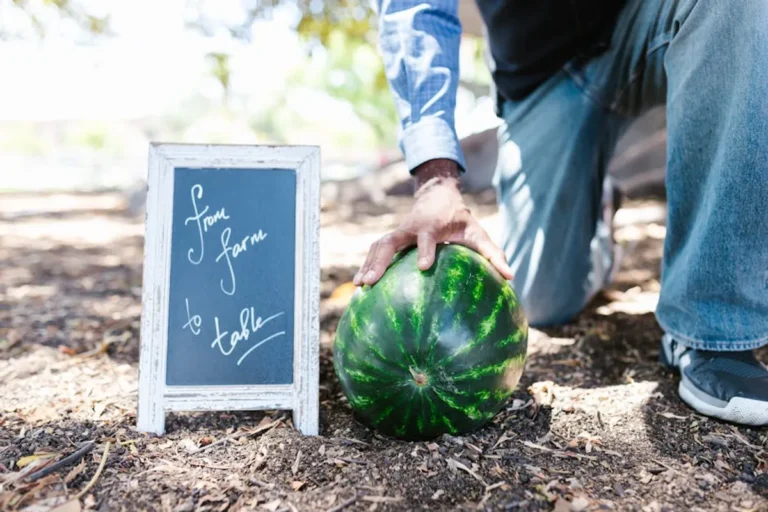

Seasonal eating refers to the practice of consuming fruits, vegetables, and other produce during the time of year they are naturally harvested in a specific region. This approach aligns with natural growth cycles, directly impacting produce flavor, nutritional density, and often, market price. For professionals tracking consumer trends and content opportunities, understanding seasonal eating offers insight into a persistent area of user interest, driven by a desire for freshness, sustainability, and economic value. It influences purchasing decisions and search queries across food, health, and lifestyle categories, making it a relevant topic for content development and audience engagement.
The Core Principles of Seasonal Eating
At its heart, seasonal eating is about reconnecting with the natural rhythm of food production. This means consuming items when they are at their peak maturity, without requiring extensive artificial intervention or long-distance transportation. The concept varies significantly by geographic location and climate, as a "seasonal" item in one hemisphere might be out of season in another. The primary principles include:
- Natural Harvest Cycles: Focusing on produce that is naturally ready for harvest in your local or regional area during a specific season.
- Peak Ripeness and Flavor: Consuming produce when it has ripened naturally, resulting in superior taste and texture compared to items picked prematurely for transport.
- Reduced Transportation: Minimizing the distance food travels from farm to table, which often translates to fresher produce and a lower environmental footprint.
- Nutritional Density: Produce picked at its peak ripeness typically retains more vitamins, minerals, and antioxidants.
- Cost Efficiency: Abundant, locally harvested produce often carries a lower price point due to reduced shipping and storage costs.
Tangible Benefits for Consumers
The advantages of adopting a seasonal eating approach extend beyond mere preference, offering concrete benefits that resonate with a broad audience:
Enhanced Flavor and Quality: Produce allowed to ripen fully on the plant develops its most robust and nuanced flavors. A tomato eaten in August, grown locally and picked ripe, tastes distinctly different from one shipped across continents and ripened artificially in January. This quality difference is a primary driver for consumer interest.
Optimized Nutrition: Research indicates that the nutritional content of fruits and vegetables can diminish over time post-harvest, particularly with prolonged storage and transportation. Seasonal produce, often consumed closer to its harvest date, tends to retain a higher concentration of beneficial compounds.
Cost Savings: When a particular fruit or vegetable is in season, its supply is abundant, which typically drives down market prices. Conversely, out-of-season produce often incurs higher costs due to cultivation in controlled environments or expensive long-distance shipping.
Environmental Impact: Choosing seasonal and local produce reduces the energy consumption associated with growing food in greenhouses, cold storage, and lengthy transportation. This appeals to environmentally conscious consumers and aligns with sustainability trends.
Support for Local Economies: Purchasing seasonal produce, especially from farmers' markets or local co-ops, directly supports regional agricultural businesses and strengthens community food systems.
Identifying Seasonal Produce in Your Region
Discovering what's in season requires a bit of local investigation, but the resources are readily available:
Farmers' Markets and Farm Stands
These are direct pipelines to what's currently being harvested. Vendors are typically knowledgeable about their produce and can offer insights into peak availability and best uses. A quick online search for "farmers market near me" will provide local options.
Online Resources and Apps
Numerous websites and mobile applications provide seasonal produce guides tailored to specific regions or even states. These often include calendars detailing what's available month-by-month.
Local Grocery Stores
While larger supermarkets stock produce year-round, they often highlight seasonal items with special displays or pricing. Look for signs indicating local sourcing.
Pro Tip: To maximize the benefits of seasonal eating, focus on a "flexitarian" approach rather than strict adherence. Embrace the abundance of seasonal items while allowing for occasional out-of-season choices for dietary variety or specific recipe needs. This prevents burnout and makes the practice more sustainable long-term.
Integrating Seasonal Eating into Your Routine
Making seasonal eating a regular practice doesn't require a complete overhaul of your diet. Start with small, manageable adjustments:
Start Small with Familiar Items
Begin by identifying one or two favorite fruits or vegetables and consciously purchase them only when they are in season locally. For instance, commit to eating fresh berries only in summer or squash in autumn.
Plan Meals Around Seasonal Availability
Instead of deciding on a recipe and then sourcing ingredients, reverse the process. Visit a farmers' market or check an online seasonal guide, then plan your meals based on what's fresh and abundant. This encourages culinary creativity and reduces food waste.
Preserve Seasonal Abundance
When certain items are plentiful and inexpensive, consider preserving them for later. Freezing, canning, drying, or pickling fruits and vegetables allows you to enjoy seasonal flavors year-round, extending their shelf life and value.
Embracing Seasonal Practices
Adopting seasonal eating is a gradual process that yields significant rewards in terms of flavor, nutrition, and environmental consciousness. By making informed choices about when and where your food comes from, you contribute to a more sustainable food system while enhancing your own culinary experience. The journey begins with curiosity and a willingness to explore what your local environment offers throughout the year.
Frequently Asked Questions
Is seasonal eating always more expensive?
Generally, no. Produce in season is typically more abundant, leading to lower prices due to supply and demand dynamics. Out-of-season items often incur higher costs from transportation, storage, or specialized growing conditions.
How do I discover what's in season locally?
Check local farmers' market websites, government agricultural department sites, or use dedicated seasonal food apps. Many local food blogs or community groups also share seasonal produce guides specific to their region.
Does seasonal eating mean I can't eat certain foods in winter?
Not necessarily. While fresh produce options might be more limited in colder months, many root vegetables, hardy greens, and stored fruits (like apples and pears) are available. Additionally, preserving seasonal gluts through freezing or canning allows you to enjoy items year-round.
What's the best way to store seasonal produce to maximize freshness?
Storage varies by item. Leafy greens benefit from being washed, dried, and stored in an airtight container with a paper towel. Root vegetables prefer cool, dark, and dry places. Berries should be washed just before eating and stored unwashed in the refrigerator to prevent mold.