
Engaging with farm-to-table food systems offers consumers a direct connection to their food sources, emphasizing freshness, local economies, and sustainable practices. This approach prioritizes produce and products sourced directly from local farms, often minimizing transit times and supporting regional agricultural communities. For shoppers, understanding how to navigate this market effectively means discerning genuine farm-to-table offerings from marketing claims, ensuring purchases align with quality expectations and personal values. The decision to buy farm-to-table impacts not only the nutritional value and flavor profile of food but also contributes to environmental stewardship and economic resilience within local communities.
Identifying Authentic Farm-to-Table Sources
Authenticity in farm-to-table sourcing hinges on transparency and direct relationships. Consumers seeking genuine products must look beyond general labels and understand the specific channels through which food reaches their plate. This requires a proactive approach to inquiry and observation.
Direct-to-Consumer Channels: Farmers Markets, CSAs
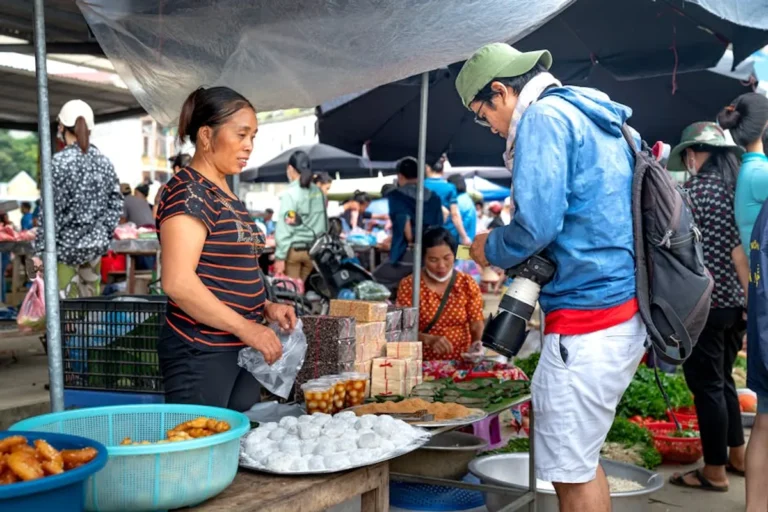
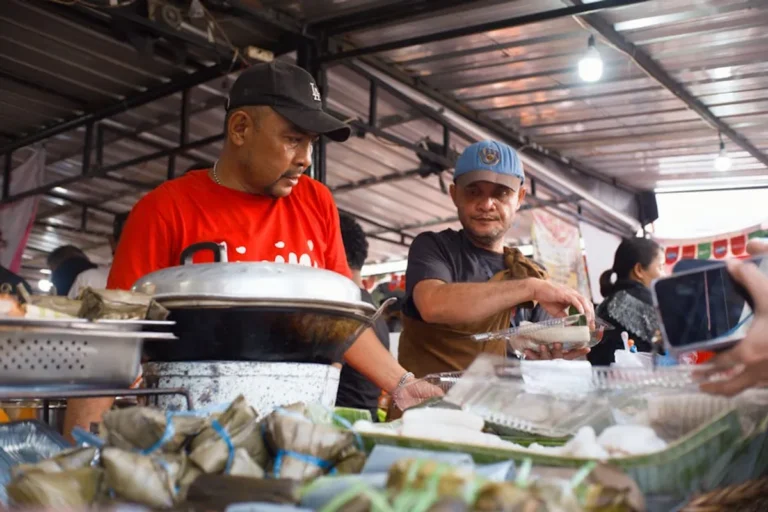
Farmers markets represent a primary direct-to-consumer channel. Here, direct interaction with growers allows for immediate verification of origin and growing practices. Shoppers should prioritize markets where vendors are the actual farmers, not resellers. Key questions to ask include: "Do you grow everything you sell?" or "What methods do you use for pest control?" Observing the variety and seasonality of produce can also indicate local origin; a stall offering out-of-season items year-round may be sourcing from further afield. Community Supported Agriculture (CSA) programs offer another direct route, where consumers purchase a share of a farm's harvest in advance, receiving regular boxes of seasonal produce. This model builds a direct financial relationship and offers inherent transparency.
- Farmers Markets: Engage vendors directly. Look for signs of local seasonality in available produce.
- CSAs: Research the farm's practices before committing. Understand the share structure and delivery logistics.
- Farm Stands: Often located directly on farm property, these provide the most direct access and offer insight into the farm environment.
Restaurant and Retail Partnerships
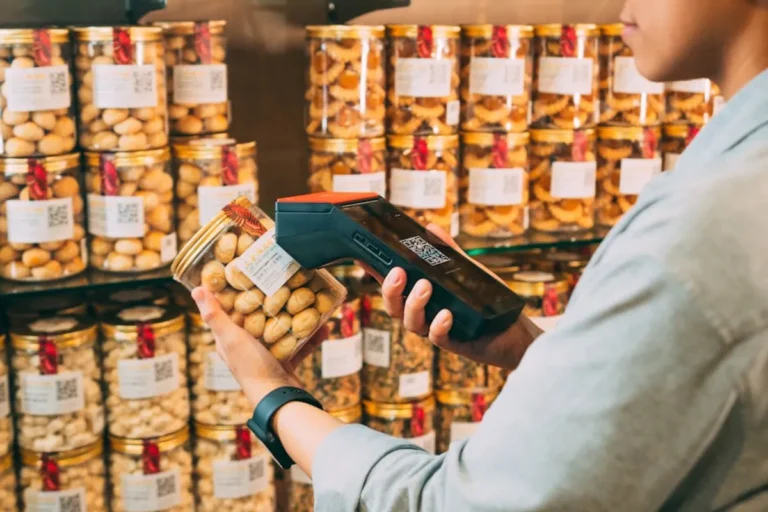
When purchasing farm-to-table items from restaurants or retail stores, verification becomes more complex. Look for explicit mentions of farm names or specific local suppliers on menus or product labels. Restaurants committed to farm-to-table often highlight their partnerships prominently, sometimes even listing the farms by name. In retail, specialized sections for local produce or clear labeling stating the farm of origin are good indicators. Certifications from local food alliances or agricultural groups can also lend credibility, though their prevalence varies by region. Without direct farm identification, the "farm-to-table" claim can be broad and less verifiable.
Key Considerations for Informed Purchases
Making informed farm-to-table purchases involves understanding the dynamics of local agriculture, including natural cycles and economic realities. This knowledge empowers shoppers to make choices that align with both their dietary needs and their support for local food systems.
Understanding Seasonality and Availability
Local farm-to-table operations are inherently tied to seasonal cycles. This means availability fluctuates throughout the year. Purchasing produce in season ensures peak flavor, nutritional value, and often, better pricing due to abundance. A shopper expecting year-round access to a specific fruit or vegetable may need to adjust expectations or explore preservation methods for seasonal gluts. Planning meals around what is currently available locally reduces food miles and supports the natural rhythms of farming. For example, root vegetables and hardy greens dominate winter offerings, while berries and tender greens are summer staples.
Price vs. Value: What to Expect
Farm-to-table products, particularly from smaller, sustainable operations, may carry a higher price point than conventionally sourced alternatives. This often reflects the true cost of production, including labor, sustainable farming practices (e.g., organic certification, crop rotation, soil health management), and the absence of large-scale subsidies common in industrial agriculture. The value proposition lies in superior freshness, flavor, nutritional density, and the direct support of local economies and environmentally responsible practices. Consumers should consider this investment in quality and community when evaluating costs. Reducing food waste by utilizing entire products or preserving excess can also enhance the overall value received.
Pro Tip: When evaluating farm-to-table claims, prioritize direct communication with the source. If a vendor or establishment cannot readily provide details about the farm of origin or growing practices, the claim's authenticity may be questionable. Genuine farm-to-table operations are typically eager to share their story and methods.
Asking the Right Questions
Engaging farmers directly with specific questions provides clarity and builds trust. Beyond "Is this local?", inquiries about specific farming practices yield valuable information. For example, asking about pest management strategies (e.g., "Do you use organic pesticides or integrated pest management?"), soil health initiatives ("How do you maintain soil fertility?"), or water conservation methods ("What irrigation techniques do you employ?") can differentiate farms and help consumers align purchases with their ethical and health preferences. For animal products, questions about animal welfare, feed sources, and pasture access are crucial.
Maximizing Your Farm-to-Table Experience
Beyond the point of purchase, optimizing the use and enjoyment of farm-to-table goods enhances their value and impact. This involves practical approaches to food management and active participation in the local food community.
Storage and Preservation Techniques
Due to their freshness and often minimal processing, farm-to-table products may have different storage requirements than supermarket equivalents. Learning appropriate storage techniques for various produce types—such as refrigerating leafy greens in airtight containers, storing root vegetables in cool, dark places, or keeping tomatoes at room temperature—can significantly extend their shelf life. Embracing preservation methods like canning, freezing, drying, or fermenting seasonal gluts allows consumers to enjoy peak-season flavors throughout the year, reducing waste and maximizing the value of their purchases.
Community Engagement
Actively participating in the local food community extends the farm-to-table experience beyond transactions. Attending farm open days, workshops on food preservation, or volunteer days at local farms fosters a deeper understanding of agricultural processes and strengthens community ties. Building relationships with individual farmers can lead to personalized recommendations, insights into upcoming harvests, and a sense of shared purpose in supporting a sustainable food system. This engagement transforms shopping into a more meaningful and educational endeavor.
Practical Wrap-Up: Making Every Purchase Count
Embracing farm-to-table shopping is a deliberate choice that prioritizes quality, sustainability, and community. By focusing on direct sourcing, understanding seasonal availability, and asking informed questions, consumers can confidently navigate the local food landscape. This approach not only brings fresher, often more nutritious food to the table but also strengthens local economies and supports agricultural practices that are beneficial for the environment. Every conscious purchase contributes to a more resilient and transparent food system.
Frequently Asked Questions
What does "farm-to-table" truly mean?
Farm-to-table refers to a food system where food travels directly from the farm to the consumer's plate, or through a very short supply chain, emphasizing freshness, local origin, and often sustainable growing practices. The core principle is transparency and minimal intermediaries between producer and consumer.
Is farm-to-table always organic?
No, farm-to-table does not automatically mean organic. While many farm-to-table operations employ organic or sustainable practices, they may not pursue formal organic certification due to cost or philosophical reasons. It is essential to ask individual farmers about their specific growing methods and certifications, if applicable.
How can I find local farms or markets?
Local food directories, agricultural extension offices, community websites, and online search platforms often list farmers markets, CSAs, and farm stands in your area. Word-of-mouth recommendations from local residents or community groups can also be valuable resources.
Why is local produce often more expensive?
Local produce can be more expensive due to several factors: smaller scale production, higher labor costs for sustainable practices, lack of government subsidies common in industrial agriculture, and the absence of economies of scale. The price reflects the true cost of production and the value of freshness, quality, and direct support for local farmers.