Local food events offer communities a tangible platform for economic development, cultural preservation, and social cohesion. For marketers and community organizers, these gatherings represent distinct opportunities to cultivate local economies, strengthen supply chains, and foster community identity. Selecting the most effective event type requires a clear understanding of objectives, available resources, and the specific dynamics of the local food ecosystem. This guide examines various local food event formats, detailing their operational requirements, community impact, and commercial potential, enabling informed decisions for maximizing community benefit and engagement.
What to Look For in Local Food Events
When evaluating potential local food events, consider several core criteria to ensure alignment with community goals and resource allocation. Prioritize events that demonstrably support local producers and businesses, fostering direct economic benefits within the community. Assess the event's capacity for genuine community engagement, moving beyond mere attendance to active participation and interaction. Logistics and resource requirements, including venue, volunteer needs, and regulatory compliance, must be realistically evaluated for feasibility. Sustainability, encompassing waste reduction, local sourcing, and long-term viability, should be a foundational principle. Finally, consider the event's potential for educational outreach, promoting local food systems, healthy eating, and culinary traditions. A successful event balances these elements to deliver both immediate impact and lasting community value.
1. Farmers' Market Networks
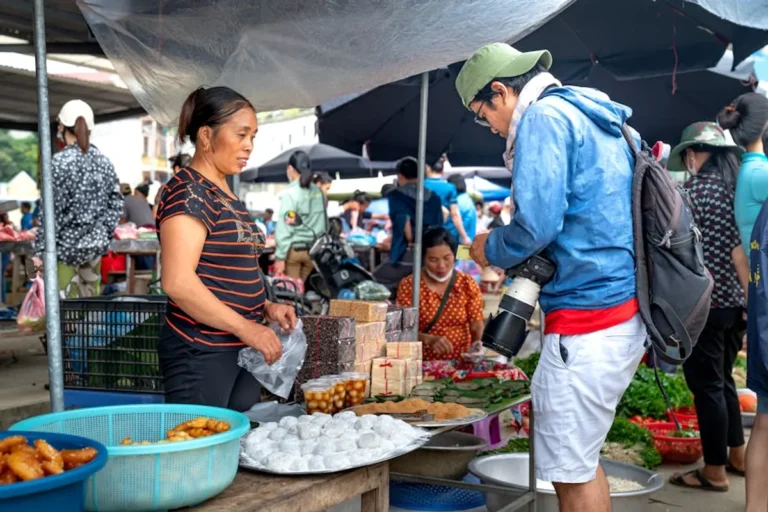
Farmers' market networks represent a foundational local food event, providing direct sales channels for producers and direct access to fresh, local produce for consumers. These markets are typically recurring, operating weekly or bi-weekly in designated public spaces. Their structure supports small-scale farms and artisan food producers by eliminating intermediaries, allowing for higher profit margins for vendors and often lower prices for consumers. The emphasis is on fresh, seasonal, and often organic or sustainably produced goods, fostering a direct relationship between food origin and consumption.
Best For: Consistent community access to fresh produce, direct producer-to-consumer sales, and establishing a regular local gathering point.
Pros:
- Direct Economic Impact: Funds circulate directly within the local economy, supporting small farms and food businesses.
- Community Hub: Regular scheduling builds community routine, encouraging social interaction and local commerce.
- Food Education: Vendors often provide information on growing practices, seasonality, and cooking methods, enhancing consumer knowledge.
- Low Barrier to Entry: Relatively simple setup for new vendors compared to retail, promoting local entrepreneurship.
Cons:
- Weather Dependent: Outdoor markets are vulnerable to adverse weather, impacting attendance and sales.
- Logistical Demands: Requires consistent management for vendor recruitment, site permits, and marketing.
- Limited Scale: May not fully address large-scale food access issues in underserved areas without additional programs.
- Volunteer Intensive: Sustained operation often relies heavily on volunteer coordination and commitment.
Verdict: Essential for building foundational local food systems, offering consistent economic support to producers and reliable access for consumers. Requires dedicated, long-term organizational commitment.
2. Community Potluck Feasts
Community potluck feasts are informal, participatory events where attendees contribute a dish to share. These events are often centered around a theme, such as seasonal ingredients, cultural cuisines, or specific dietary preferences. The primary goal is fostering social connection and shared culinary experience rather than direct commerce. They leverage community members' cooking skills and diverse culinary traditions, creating a rich tapestry of flavors and stories. These gatherings can be hosted in public parks, community centers, or even private homes, making them highly adaptable and resource-efficient.
Best For: Enhancing social cohesion, celebrating cultural diversity through food, and low-cost community engagement.
Pros:
- High Social Engagement: Directly encourages interaction and shared experience among participants.
- Low Overhead: Minimal cost for organizers as food contributions come from attendees.
- Inclusive: Accommodates diverse dietary needs and culinary traditions, promoting cultural exchange.
- Skill Sharing: Provides an informal platform for sharing recipes and cooking techniques.
Cons:
- Food Safety Concerns: Managing temperature control and allergen information for home-prepared dishes can be challenging.
- Unpredictable Contributions: Quantity and variety of food can be inconsistent, leading to imbalances.
- Limited Economic Impact: Does not directly support local food businesses or producers through sales.
- Requires Clear Communication: Success hinges on effective guidelines for dish contributions and setup.
Verdict: Excellent for social bonding and cultural celebration with minimal financial outlay, but requires careful management of food safety and contribution coordination.
3. Farm-to-Table Dinner Series
Farm-to-table dinner series elevate local food events into a refined culinary experience. These events typically feature multi-course meals prepared by local chefs, utilizing ingredients sourced exclusively from nearby farms and producers. Often held at the farm itself, a unique venue, or a local restaurant, they offer an immersive experience that connects diners directly to the origin of their food. The format allows for storytelling about the producers, their practices, and the seasonal bounty, enhancing appreciation for local agriculture and culinary artistry.
Best For: Premium culinary experiences, showcasing local chefs and farms, and generating higher revenue for producers and restaurateurs.
Pros:
- High Perceived Value: Commands premium ticket prices, generating significant revenue for participants.
- Brand Building: Elevates the profiles of local farms, chefs, and restaurants.
- Educational Component: Offers detailed insights into local agriculture, seasonal eating, and sustainable practices.
- Unique Experience: Provides a memorable and often exclusive event, attracting food enthusiasts and tourists.
Cons:
- High Organizational Complexity: Requires significant coordination between chefs, farmers, venues, and marketing.
- High Production Cost: Ingredient costs, chef fees, venue rentals, and staffing contribute to substantial expenses.
- Limited Accessibility: Higher ticket prices can exclude a segment of the community, limiting broad participation.
- Weather Vulnerability: Outdoor events are susceptible to weather disruptions, requiring contingency plans.
Verdict: A high-impact event for showcasing local culinary talent and agricultural quality, but demands substantial investment in planning and execution for a niche audience.
4. Local Food Festivals
Local food festivals are large-scale, often annual, events celebrating regional culinary traditions, produce, and food businesses. These festivals typically feature a wide array of food vendors, cooking demonstrations, live music, and family-friendly activities. They serve as a major attraction for both residents and tourists, generating significant economic activity through vendor sales, tourism spending, and sponsorships. The focus is on showcasing the breadth and depth of a region's food culture, from traditional dishes to innovative culinary creations using local ingredients.
Best For: Broad community engagement, regional tourism, and comprehensive showcase of local food businesses and culture.
Pros:
- Significant Economic Impact: Drives substantial revenue for vendors, local businesses, and the broader tourism sector.
- High Visibility: Attracts large crowds and media attention, raising the profile of local food systems.
- Diverse Offerings: Caters to a wide range of tastes and interests with varied food, entertainment, and activities.
- Community Pride: Fosters a strong sense of local identity and pride in regional culinary heritage.
Cons:
- Intense Logistical Demands: Requires extensive planning for permits, infrastructure, waste management, and security.
- High Capital Investment: Significant upfront costs for venue rental, marketing, entertainment, and staffing.
- Traffic and Crowding: Can lead to congestion and parking issues, potentially deterring some attendees.
- Environmental Impact: Large events generate considerable waste, necessitating robust sustainability plans.
Verdict: A powerful tool for economic development and cultural celebration, but requires substantial organizational capacity and financial backing to execute successfully.
5. Community Cooking Classes
Community cooking classes offer hands-on instruction in preparing dishes using local and seasonal ingredients. These classes can focus on specific cuisines, cooking techniques, food preservation methods, or healthy eating. They provide an educational and interactive experience, empowering participants with practical skills and knowledge about local food systems. Classes are typically held in community kitchens, schools, or dedicated culinary spaces and can range from single sessions to multi-week series. They foster a deeper connection to food through active participation and learning.
Best For: Practical skill development, promoting healthy eating, and educating about local ingredients and culinary traditions.
Pros:
- Skill Empowerment: Equips participants with practical cooking and food preparation skills.
- Educational Value: Teaches about seasonality, local sourcing, nutrition, and cultural culinary practices.
- Community Building: Creates a shared learning environment, fostering new connections and shared interests.
- Sustainable Practices: Can focus on reducing food waste, preservation, and maximizing local produce.
Cons:
- Resource Intensive: Requires access to a equipped kitchen, instructors, and ingredient sourcing.
- Limited Capacity: Class sizes are typically small, limiting the number of participants per session.
- Cost of Ingredients: Sourcing quality local ingredients can be expensive, impacting class fees.
- Instructor Availability: Finding qualified and engaging instructors can be a challenge.
Verdict: Highly effective for skill-building and food education, offering tangible benefits to participants, but demands specific infrastructure and skilled personnel.
6. Food Swaps and Preservation Workshops
Food swaps and preservation workshops focus on sharing homemade goods and traditional techniques for extending the shelf life of local produce. Food swaps allow community members to exchange excess garden produce, baked goods, preserves, and other homemade items, fostering a circular food economy. Preservation workshops teach skills like canning, pickling, fermenting, or drying, enabling participants to utilize seasonal gluts and reduce food waste. These events emphasize self-sufficiency, resourcefulness, and the sharing of knowledge within the community.
Best For: Reducing food waste, promoting self-sufficiency, and sharing skills in food preservation and home cooking.
Pros:
- Waste Reduction: Directly addresses food waste by utilizing surplus produce and homemade items.
- Skill Transfer: Teaches valuable traditional and modern preservation techniques.
- Community Exchange: Facilitates direct sharing of goods and knowledge among neighbors.
- Low Financial Barrier: Often free or low-cost to participate, making them accessible.
Cons:
- Food Safety Risk: Exchange of homemade items requires trust and clear guidelines to mitigate potential health risks.
- Limited Commercial Impact: Primarily a sharing economy model, with minimal direct economic benefit for producers.
- Logistical Constraints: Requires space for exchange/instruction and clear communication of rules.
- Niche Interest: May appeal to a more specific segment of the community interested in homesteading or sustainable living.
Verdict: Excellent for fostering community self-reliance and reducing waste through shared resources and knowledge, but requires strict food safety protocols and clear participant guidelines.
7. Pop-Up Local Eateries
Pop-up local eateries are temporary dining experiences, often hosted in unconventional locations, that highlight local chefs, ingredients, and culinary concepts. These events provide a low-risk platform for emerging chefs or established restaurants to test new menus, reach new audiences, or showcase a specific local ingredient or theme. They create a sense of exclusivity and urgency due to their limited duration, driving interest and demand. Pop-ups can range from casual street food stalls to multi-course tasting menus, offering flexibility in format and scale.
Best For: Showcasing culinary innovation, supporting emerging chefs, and creating unique, time-sensitive dining experiences.
Pros:
- Culinary Innovation: Allows chefs to experiment with new concepts and local ingredients without long-term commitment.
- High Buzz Factor: Temporary nature generates excitement and drives immediate demand.
- Low Overhead for Chefs: Reduces startup costs compared to a permanent restaurant, fostering entrepreneurship.
- Venue Flexibility: Can utilize various spaces, activating underutilized areas or unique settings.
Cons:
- Permitting Challenges: Temporary food service often involves complex and time-consuming regulatory hurdles.
- Inconsistent Availability: Lack of permanence can make it difficult for customers to rely on or revisit.
- Marketing Intensity: Requires concentrated, effective marketing for each short-term event.
- Operational Complexity: Setting up and breaking down temporary kitchens and dining areas is labor-intensive.
Verdict: Offers a dynamic platform for culinary creativity and local ingredient promotion, but demands meticulous planning and navigation of regulatory requirements for each iteration.
8. Harvest Festivals
Harvest festivals are seasonal celebrations marking the culmination of the growing season, typically held in autumn. These events often feature fresh produce sales, agricultural exhibits, craft vendors, live entertainment, and traditional harvest-themed activities like pumpkin carving or hayrides. They serve as a community-wide celebration of local agriculture and the bounty of the land, drawing families and visitors to experience rural traditions and support local farms. The atmosphere is generally festive and educational, highlighting the importance of farming and food production.
Best For: Celebrating agricultural heritage, promoting agritourism, and broad family-friendly community engagement.
Pros:
- Cultural Significance: Connects communities to their agricultural roots and seasonal cycles.
- Family-Friendly: Offers a wide array of activities appealing to all age groups, drawing large crowds.
- Agritourism Driver: Attracts visitors to rural areas, supporting local farms and businesses beyond food sales.
- Educational Opportunities: Showcases farming practices, local produce, and food processing.
Cons:
- Seasonal Limitation: Restricted to a specific time of year, limiting recurrence.
- Weather Dependency: Outdoor nature makes it highly susceptible to weather impacts.
- Extensive Planning: Requires significant coordination for multiple vendors, activities, and infrastructure.
- Resource Intensive: Demands substantial volunteer support and financial investment for setup and operation.
Verdict: A powerful annual event for community celebration and agricultural promotion, but requires robust planning and resource allocation due to its scale and seasonal nature.
9. Community Garden Open Days and Harvest Events
Community garden open days and harvest events invite the public to explore local community gardens, learn about urban agriculture, and participate in harvesting activities. These events can include garden tours, workshops on gardening techniques, seed saving, or composting, and opportunities to purchase or receive fresh produce. They promote sustainable living, food literacy, and provide direct access to green spaces within urban or suburban environments. These events highlight the collective effort in growing food and the benefits of shared green spaces.
Best For: Promoting urban agriculture, food literacy, and community participation in sustainable food production.
Pros:
- Food Literacy: Educates participants on how food is grown, fostering appreciation for fresh produce.
- Green Space Activation: Utilizes and promotes local community gardens as valuable assets.
- Volunteer Engagement: Attracts community members interested in gardening and sustainable practices.
- Accessible Produce: Provides opportunities for fresh, often organic, produce access in urban settings.
Cons:
- Scale Limitation: Impact is often localized to the immediate vicinity of the garden.
- Volunteer Dependent: Success relies heavily on the dedication of garden members and volunteers.
- Produce Variability: Harvest yields can be inconsistent due to weather, pests, or growing conditions.
- Limited Commercial Scope: Primarily educational and community-focused, with minimal direct sales impact.
Verdict: Excellent for fostering food literacy and sustainable practices at a grassroots level, but its impact is typically localized and relies on sustained volunteer effort.
10. Local Food Truck Rallies
Local food truck rallies bring together a diverse array of mobile food vendors, creating a vibrant, casual dining experience. These events typically feature various cuisines, often with an emphasis on locally sourced ingredients or unique culinary fusions. Food truck rallies activate public spaces, providing flexible dining options and supporting small, independent food businesses. They are popular for their relaxed atmosphere, variety of choices, and ability to draw crowds, often incorporating live music or other entertainment.
Best For: Casual dining experiences, supporting mobile food entrepreneurs, and activating public spaces with diverse culinary offerings.
Pros:
- Culinary Diversity: Offers a wide range of food options, catering to diverse tastes.
- Supports Small Businesses: Provides a low-overhead platform for food truck operators to reach customers.
- Community Gathering: Creates a lively and informal social atmosphere in public areas.
- Flexible Location: Can be hosted in various locations, from parks to parking lots, adapting to community needs.
Cons:
- Permitting Complexity: Navigating health and vending permits for multiple mobile units can be challenging.
- Waste Management: Generates significant single-use packaging waste, requiring robust recycling and composting solutions.
- Parking and Traffic: Large events can lead to congestion and parking difficulties for attendees.
- Weather Dependent: Outdoor nature makes them vulnerable to adverse weather conditions.
Verdict: A dynamic event for showcasing local culinary talent and activating public spaces, but demands careful logistical planning for permitting, waste, and crowd management.
11. Educational Workshops on Foraging and Wild Edibles
Educational workshops on foraging and wild edibles teach participants how to safely identify, harvest, and prepare wild plants and fungi found in local natural environments. These events connect communities with their natural surroundings, promoting ecological awareness and providing an alternative source of local food. Led by experienced foragers or botanists, these workshops emphasize sustainable harvesting practices, plant identification, and the culinary uses of wild foods. They offer a unique, experiential learning opportunity.
Best For: Ecological education, promoting sustainable harvesting, and connecting communities with local natural food sources.
Pros:
- Ecological Awareness: Educates participants on local ecosystems and sustainable resource management.
- Unique Skill Development: Teaches practical skills in identifying and utilizing wild edible plants.
- Low Cost: Often requires minimal infrastructure, leveraging natural landscapes.
- Promotes Local Food: Highlights an often-overlooked source of hyper-local, seasonal food.
Cons:
- Safety Risks: Misidentification of plants can lead to poisoning, requiring highly knowledgeable instructors and strict safety protocols.
- Environmental Impact: Over-foraging can damage local ecosystems, necessitating careful management and education on sustainable practices.
- Limited Accessibility: May be physically demanding, limiting participation for some individuals.
- Niche Appeal: Attracts a specific audience interested in nature and wild foods.
Verdict: Offers profound educational value and connection to nature, but demands expert guidance and stringent safety measures due to inherent risks.
12. Restaurant Weeks Featuring Local Ingredients
Restaurant Weeks are promotional events where participating local restaurants offer special, multi-course menus at fixed price points, often for lunch and dinner. When structured to emphasize local ingredients, these events serve to drive traffic to local eateries while simultaneously showcasing the quality and diversity of regional produce and products. They encourage residents and visitors to explore new restaurants and experience local culinary talent, creating a direct economic boost for the hospitality sector and local food suppliers. The fixed-price format makes fine dining more accessible.
Best For: Driving revenue for local restaurants, promoting local ingredient sourcing, and encouraging culinary exploration within the community.
Pros:
- Economic Stimulus: Directly increases sales and customer traffic for participating restaurants.
- Promotes Local Sourcing: Encourages chefs to build relationships with local farms and suppliers.
- Customer Acquisition: Attracts new diners to local restaurants who might not otherwise visit.
- Affordable Luxury: Fixed-price menus offer a perceived value, making higher-end dining more accessible