
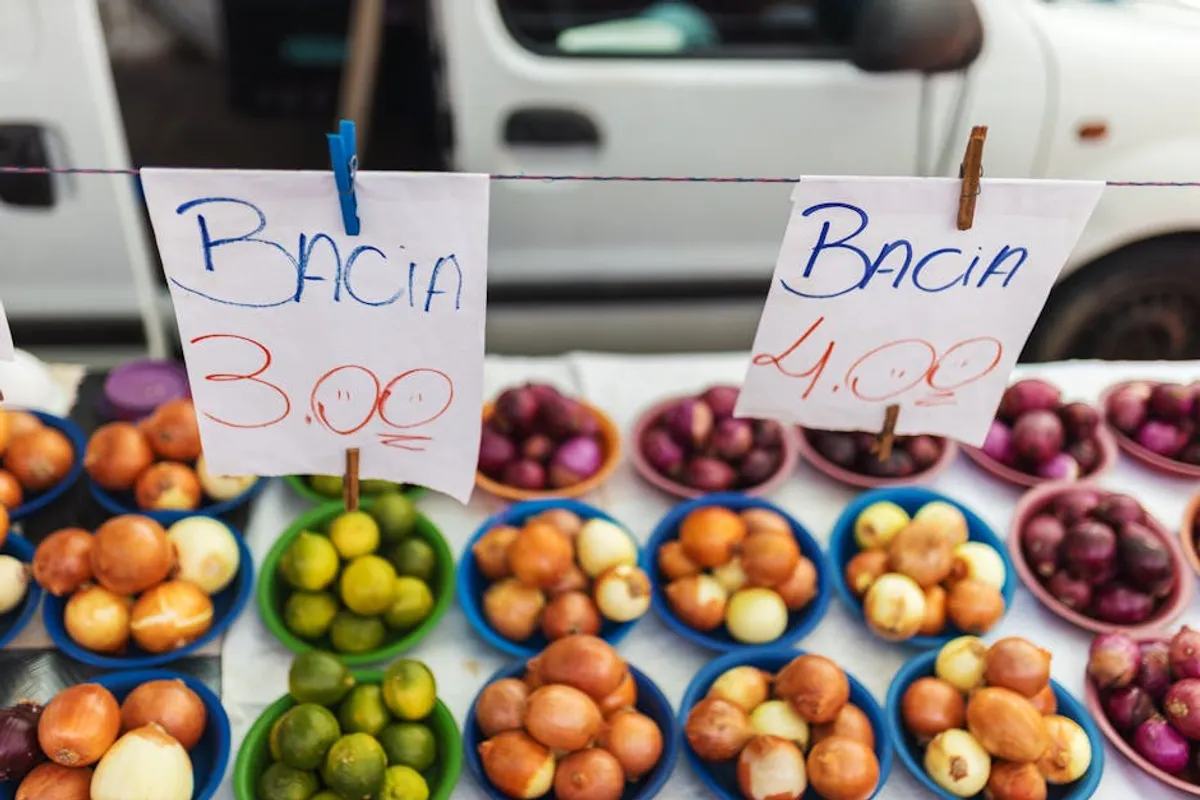
Understanding the cyclical availability of produce by month provides a strategic advantage for culinary professionals, food businesses, and content creators. Aligning menus, marketing campaigns, and editorial calendars with peak seasonality ensures access to ingredients at their freshest, most flavorful, and often most economical. This approach minimizes reliance on costly, less-flavorful imported goods and supports sustainable practices by reducing food miles and energy consumption associated with out-of-season cultivation. For those in the food industry, this knowledge translates directly to enhanced product quality, optimized inventory management, and compelling content narratives that resonate with consumer demand for fresh, local, and seasonal offerings.
Why Prioritize Seasonal Produce?
Choosing produce aligned with its natural growing season offers distinct benefits beyond just taste and cost. Seasonal items are typically harvested at their peak ripeness, maximizing nutrient content and delivering superior flavor profiles. This ripeness also often translates to a longer shelf life compared to produce picked prematurely for long-distance transport. For businesses, sourcing seasonally can foster stronger relationships with local suppliers, ensuring a more resilient supply chain and potentially reducing overheads associated with complex international logistics. Furthermore, promoting seasonal ingredients aligns with consumer trends favoring health, sustainability, and support for local economies, providing a powerful marketing angle for restaurants, retailers, and food content platforms.
1. January
January's produce selection emphasizes hardy root vegetables and vibrant citrus fruits, reflecting the cooler climate. This month is prime for robust ingredients that can withstand storage, offering deep, earthy flavors. Key items include various types of potatoes, carrots, parsnips, turnips, and winter squash. Citrus varieties like oranges, grapefruits, tangerines, and lemons reach their peak sweetness and juiciness, providing a bright counterpoint to the heavier root vegetables. Leafy greens such as kale, collards, and Brussels sprouts also thrive in colder temperatures.
Best for: Hearty stews, roasting, citrus-forward desserts, vibrant salads with robust greens, juicing, and marmalades.
Pros: Excellent shelf stability for root vegetables; citrus fruits are at their most flavorful and abundant; nutrient-dense options for winter menus; often good value due to high yield.
Cons: Limited variety of fresh berries or delicate summer fruits; reliance on cold-weather crops can lead to less diverse fresh preparations.
Verdict: A foundational month for warming, comforting dishes and a burst of bright, acidic flavors from citrus, ideal for balancing rich winter fare.
2. February
February continues the theme of winter produce, with an emphasis on cruciferous vegetables and continued availability of root crops and citrus. Broccoli, cauliflower, and cabbage are particularly strong, offering versatility for roasting, steaming, and incorporating into gratins. Leeks and onions remain staples, providing aromatic bases for many dishes. Artichokes begin to make an appearance in warmer regions, signaling a subtle shift towards spring. The citrus harvest remains robust, ensuring availability of key varieties for both sweet and savory applications.
Best for: Vegetable gratins, soups, roasted vegetable medleys, citrus glazes for meats, and early spring detox-focused menus.
Pros: Cruciferous vegetables are nutrient powerhouses; continued strong supply of citrus; good for meal prepping due to produce durability.
Cons: Still limited in fresh, delicate produce; some items may start to show signs of prolonged storage if not carefully sourced.
Verdict: A transitional month where winter's bounty persists, offering solid, versatile vegetables while hinting at the first signs of spring's arrival.
3. March
March marks the official transition to spring, bringing a surge of tender greens and early season vegetables. Asparagus becomes a highlight, prized for its delicate flavor and versatility. Peas, both shelling and snap varieties, emerge, offering sweet, fresh notes. Artichokes become more widely available. Hearty greens like spinach and Swiss chard, which can tolerate cooler spring temperatures, are abundant. Rhubarb also makes its first appearance, signaling the start of pie and crumble season. Some citrus varieties may still be available, but the focus shifts to new growth.
Best for: Light spring salads, steamed or roasted asparagus, pea risottos, rhubarb desserts, and fresh vegetable sautés.
Pros: Introduction of highly anticipated spring vegetables; a noticeable shift towards lighter, fresher flavors; good for showcasing new season ingredients.
Cons: Early season can mean higher prices for some items as supply is still building; weather variability can impact harvest timing.
Verdict: A pivotal month for refreshing menus with the first wave of spring produce, characterized by delicate textures and vibrant green flavors.
4. April
April solidifies spring's presence with an expanded array of greens and the continued abundance of early vegetables. Asparagus and peas remain strong, often at better price points as supply increases. Fiddlehead ferns, a unique seasonal delicacy, appear briefly. Radishes, spring onions, and tender lettuces are plentiful, ideal for fresh salads. Strawberries, particularly in warmer climates, begin to ripen, offering the first taste of summer berries. Herbs like mint, chives, and dill also flourish, adding fresh aromatic notes to dishes.
Best for: Fresh spring salads, strawberry tarts, herb-infused dishes, light pasta sauces, and showcasing local farm produce.
Pros: Excellent variety of tender greens and herbs; the first popular berries appear; good balance of fresh and slightly heartier vegetables.
Cons: Strawberry availability can be regional and brief early in the month; some early spring items may still command premium pricing.
Verdict: A vibrant month that broadens the spring palate, introducing early berries and a rich selection of fresh, crisp vegetables and aromatic herbs.
5. May
May is a month of prolific growth, bridging late spring and early summer produce. Berries, including strawberries and blueberries, become more widely available and sweeter. Cherries also begin their season, offering a short but highly anticipated window. Artichokes are still strong, and the variety of leafy greens expands significantly. New potatoes, tender and thin-skinned, are a highlight. Early summer squash and cucumbers may start to appear in warmer regions, hinting at the summer bounty to come. Herbs are at their most lush.
Best for: Berry-centric desserts, fresh salads with new potatoes, grilled vegetables, light and refreshing dishes, and showcasing the transition to summer.
Pros: Abundance of sweet berries; wide variety of fresh vegetables and herbs; excellent for light and seasonal menu development.
Cons: Cherry season is notoriously short; some items may still be early-season and less abundant than in peak summer.
Verdict: A rich and diverse month offering a tantalizing mix of late spring freshness and the first tastes of summer's sweet fruits and tender vegetables.
6. June
June is synonymous with peak berry season and the true arrival of summer vegetables. Strawberries, blueberries, raspberries, and blackberries are all in their prime, bursting with flavor and often available locally. Stone fruits like peaches, nectarines, and apricots begin to ripen. Early tomatoes, bell peppers, and green beans become available, offering crisp textures and vibrant colors. Zucchini and other summer squashes are plentiful. Corn starts to appear in some regions, a definitive sign of summer.
Best for: Fruit salads, jams, pies, grilling vegetables, fresh salsas, light summer main courses, and showcasing the full spectrum of summer's sweetness.
Pros: Unparalleled flavor and sweetness in berries and stone fruits; excellent variety of grilling vegetables; often good value due to high supply.
Cons: Short shelf life for many berries and soft fruits requires quick use; peak season can mean intense competition for the freshest local produce.
Verdict: The quintessential summer month, offering an explosion of sweet fruits and crisp vegetables, perfect for bright, fresh, and grilled preparations.
7. July
July represents the heart of summer's bounty, with tomatoes reaching their peak in variety and flavor. Heirloom tomatoes, cherry tomatoes, and beefsteaks are abundant. Corn is widely available and at its sweetest. Bell peppers, eggplant, and cucumbers are plentiful, forming the base of many summer dishes. Watermelons and cantaloupes are at their juiciest, alongside continued availability of peaches, nectarines, and berries. Green beans, zucchini, and various summer squashes continue to thrive.
Best for: Caprese salads, gazpachos, corn on the cob, grilled vegetables, summer fruit desserts, and refreshing beverages.
Pros: Tomatoes are at their absolute best; exceptional variety of summer staples; ideal for outdoor cooking and light, refreshing meals.
Cons: High temperatures can sometimes stress certain crops; rapid ripening requires efficient use to prevent spoilage.
Verdict: The peak of summer produce, defined by the unparalleled quality of tomatoes and corn, alongside a rich selection of fruits and grilling vegetables.
8. August
August continues the generous summer harvest, often with an even greater abundance of late-season varieties. Tomatoes, corn, bell peppers, and eggplant remain strong. Stone fruits like peaches and plums are at their peak, offering intense sweetness. Figs begin their season, a delicate and sought-after fruit. Okra, sweet potatoes, and early apples may start to appear, signaling the subtle shift towards autumn. Melons are still plentiful and exceptionally sweet. Herbs continue to flourish before the cooler weather.
Best for: Canning and preserving summer produce, late-season grilling, fresh salads, fig-based desserts, and preparing for the autumn transition.
Pros: Continued high availability of summer favorites; introduction of early fall items like figs and apples; excellent for preserving excess harvest.
Cons: Some early summer items may begin to decline in quality; hot weather can sometimes lead to pest issues for certain crops.
Verdict: A bountiful month that extends summer's generosity while gracefully introducing the first hints of autumn's unique flavors and textures.
9. September
September ushers in autumn's harvest, with a focus on apples, pears, and a wide array of hearty root vegetables and squashes. Apples and pears are crisp and flavorful, with many varieties becoming available. Winter squashes like butternut, acorn, and spaghetti squash begin their season. Sweet potatoes and potatoes are abundant. Grapes are also at their peak. Leafy greens like kale and collards, which sweeten with cooler temperatures, make a strong comeback. Early pumpkins appear, primarily for decorative use but also for culinary applications.
Best for: Apple pies, roasted root vegetables, squash soups, grape tarts, hearty salads, and autumn-themed menus.
Pros: Excellent variety of long-lasting storage vegetables; peak season for popular fruits like apples and grapes; ideal for comforting, warming dishes.
Cons: Decline in delicate summer fruits; requires a shift in culinary focus from light and fresh to rich and roasted.
Verdict: A foundational autumn month, providing robust, flavorful produce perfect for roasting, baking, and creating comforting, substantial meals.
10. October
October is the quintessential autumn month, dominated by pumpkins, winter squashes, and a continued abundance of apples and pears. Cranberries begin their season, offering a tart counterpoint to sweeter fruits. Brussels sprouts, cabbage, and cauliflower are at their best, often sweeter after a touch of frost. Root vegetables like carrots, parsnips, and beets are plentiful and flavorful. Mushrooms, both wild and cultivated, also become more abundant, adding an earthy depth to dishes.
Best for: Pumpkin carving and cooking, cranberry sauces, roasted vegetable platters, hearty soups, and seasonal baking.
Pros: Iconic autumn produce is at its peak; excellent for holiday-themed menus and seasonal promotions; good storage life for many items.
Cons: Limited fresh, delicate produce; reliance on heavier, denser vegetables might not suit all culinary preferences.
Verdict: A classic autumn month, rich in iconic seasonal produce that lends itself to comforting, flavorful, and often festive culinary creations.
11. November
November continues the strong showing of root vegetables and winter squashes, with a particular emphasis on ingredients suitable for holiday meals. Sweet potatoes, yams, and various potatoes are abundant. Brussels sprouts, often harvested after a frost, are sweeter and more tender. Pears and apples remain strong, while cranberries are still in season. Leeks, celery, and onions form the base of many savory dishes. The focus shifts towards produce that can be roasted, mashed, or incorporated into rich, warming preparations.
Best for: Thanksgiving and holiday menus, robust side dishes, comforting casseroles, and seasonal preserves.
Pros: Excellent selection of holiday staples; produce is generally hardy and stores well; good for rich, savory flavor profiles.
Cons: Very limited fresh fruit options beyond apples and pears; less variety for light, raw preparations.
Verdict: A practical and hearty month, providing the essential building blocks for traditional autumn and early winter feasts, emphasizing robust and comforting flavors.
12. December
December's produce selection mirrors January's, focusing on winter hardiness and storage crops. Root vegetables like potatoes, carrots, parsnips, and turnips are staples. Winter squashes continue to be available. Citrus fruits, particularly oranges, grapefruits, and mandarins, come into their peak season, offering a much-needed burst of freshness and color during the darker months. Pomegranates and persimmons also make an appearance, adding festive flair. Hardy greens like kale and collards are still available.
Best for: Holiday baking, citrus-infused dishes, winter salads, roasted vegetable sides, and festive garnishes.
Pros: Citrus fruits are at their most vibrant and juicy; excellent for long-lasting produce; provides essential freshness during winter.
Cons: Very limited variety of fresh fruits and delicate vegetables; menu planning requires creativity to avoid monotony.
Verdict: A month defined by the refreshing acidity of peak-season citrus and the comforting reliability of hardy root vegetables, essential for winter menus.
Maximizing Your Seasonal Produce Choices
Effective utilization of seasonal produce extends beyond knowing what's available each month; it involves strategic sourcing, smart storage, and creative application. Establish direct relationships with local farmers or reputable wholesalers who prioritize seasonal and local goods. This ensures freshness and often better pricing, while also providing insight into specific varietal availability. Implement inventory management systems that track peak seasons to minimize waste and optimize purchasing. For culinary teams, developing flexible menu cycles that adapt to monthly or even weekly produce shifts can enhance creativity and reduce reliance on fixed, non-seasonal ingredients. Consider preservation techniques like pickling, freezing, or canning during peak abundance to extend the usability of short-season items and maintain quality throughout the year. This approach not only supports sustainability but also creates unique product offerings for consumers.
Frequently Asked Questions
Q: Does "seasonal" always mean "local"?
A: Not necessarily, but often. Seasonal produce refers to items harvested in their natural growing season, which usually means they can be grown locally or within a reasonable distance. However, some seasonal items, like certain citrus fruits in colder climates, may still be sourced from warmer regions where they are in season.
Q: How does seasonality affect produce pricing?
A: Generally, produce is most abundant and therefore often most affordable during its peak season due to higher supply. Out-of-season produce typically costs more due to increased transportation, storage, or specialized growing conditions.
Q: Can I still find out-of-season produce?
A: Yes, modern agriculture and global supply chains make most produce available year-round. However, out-of-season items are often less flavorful, have a shorter shelf life, and come at a higher environmental and financial cost due to long-distance shipping or greenhouse cultivation.
Q: How can businesses best communicate seasonal offerings to customers?
A: Clearly highlight seasonal ingredients on menus, in marketing materials, and through social media. Educate staff on the benefits and origins of seasonal items. Offer "seasonal specials" or "farmer's market" themed dishes to draw attention to fresh, timely ingredients.
Q: What are the benefits of eating seasonally for health?
A: Seasonal produce is typically harvested at peak ripeness, when nutrient content is highest. It also often has less need for artificial ripening agents or extensive cold storage, which can degrade vitamins and minerals. Eating seasonally encourages a varied diet, exposing you to a wider range of nutrients throughout the year.