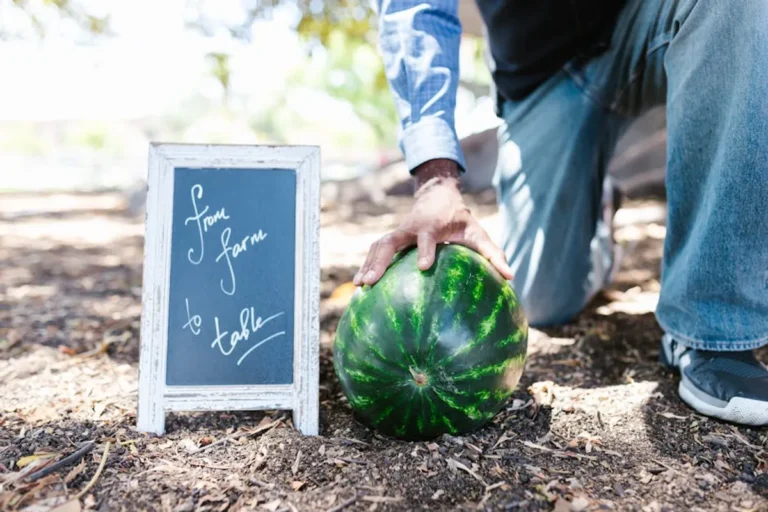

Understanding and implementing seasonal eating offers distinct advantages beyond culinary appeal. For businesses in the food sector, content creators, or even those managing community-focused platforms, emphasizing seasonal produce aligns with consumer values regarding freshness, sustainability, and local economic support. This approach directly impacts supply chain efficiency, marketing narratives, and product quality, providing a tangible framework for operational and promotional decisions. Focusing on what's naturally abundant at specific times of the year allows for more predictable sourcing, reduced transportation costs, and a higher-quality end product, which translates to stronger consumer trust and market differentiation.
Defining Seasonal Eating
Seasonal eating refers to the practice of consuming fruits and vegetables that are naturally ripe and harvested during their specific growing period within a given region. This contrasts with year-round availability achieved through global shipping, greenhouses, or extensive storage. The concept is rooted in agricultural cycles, where climate and soil conditions dictate peak harvest times for different crops. Adopting a seasonal approach means aligning consumption patterns with these natural rhythms, prioritizing produce that is currently at its freshest and most plentiful.
Strategic Benefits of Seasonal Produce
Integrating seasonal eating principles offers several commercial and operational advantages for any entity involved with food, from sourcing to content creation.
- Enhanced Flavor and Nutritional Value: Produce harvested at its peak ripeness, rather than prematurely for shipping, retains maximum flavor compounds and nutrient density. This translates directly to a superior product experience for consumers, which can be leveraged in marketing.
- Optimized Cost Efficiency: When produce is in season, it is typically more abundant and requires less artificial intervention (e.g., heating greenhouses, long-distance transport). This abundance often leads to lower wholesale prices, reducing input costs for businesses and offering better value to consumers.
- Reduced Environmental Impact: Sourcing seasonal and often local produce minimizes the carbon footprint associated with long-haul transportation, refrigeration, and energy-intensive growing methods. This aligns with increasing consumer demand for sustainable practices and offers a strong narrative for corporate social responsibility.
- Support for Local Economies: Prioritizing seasonal items frequently means engaging with local farmers and producers. This strengthens regional supply chains, supports community agriculture, and can foster unique product offerings that differentiate a brand in the market.
- Improved Product Storytelling: Seasonal availability provides a natural narrative arc for marketing and content. Highlighting "spring asparagus," "summer berries," or "autumn squash" creates anticipation and connects consumers to the natural world, offering compelling angles for recipes, promotions, and educational materials.
Identifying Peak Season Produce
Recognizing when specific fruits and vegetables are at their prime is fundamental to seasonal eating. This involves understanding regional growing calendars and developing an eye for quality indicators.
Key Indicators:
- Local Market Availability: Farmers' markets are direct indicators of what's currently in season locally. If a crop is abundant and affordably priced, it's likely in its prime.
- Visual and Olfactory Cues: Seasonal produce often displays vibrant colors, firm textures, and a distinct, fresh aroma. For instance, ripe tomatoes will be deeply colored and fragrant, while out-of-season varieties may appear pale and lack scent.
- Online Resources and Guides: Numerous agricultural extension sites, food blogs, and government resources provide regional seasonal produce calendars, offering a reliable reference point for planning.
Integrating Seasonal Eating into Planning
For content creators and businesses, incorporating seasonal eating requires strategic planning across various touchpoints, from menu development to editorial calendars.
Meal Planning and Recipe Development
Design menus and recipes around the availability of seasonal ingredients. This ensures that featured dishes leverage peak-quality produce, enhancing both flavor and cost-effectiveness. For example, a summer menu might highlight stone fruits and berries, while a winter menu focuses on root vegetables and hardy greens. This approach also provides a natural rotation for offerings, keeping content fresh and engaging.
Preservation Techniques
When seasonal produce is abundant and inexpensive, consider preservation methods. Freezing, canning, pickling, or drying can extend the utility of peak-season ingredients, allowing for their use in off-season periods without sacrificing quality or incurring high costs. This strategy supports year-round access to high-quality ingredients and can create unique product lines (e.g., seasonal jams, pickled vegetables).
Content Calendar Alignment
Align editorial and marketing calendars with seasonal shifts. Plan articles, social media campaigns, and promotional materials that celebrate current seasonal ingredients. This ensures content remains relevant and timely, capturing audience interest when specific produce is top-of-mind.
Pro Tip: When developing content or product lines around seasonal produce, emphasize the "story" behind the ingredients. Detail where they come from, the farmers who grew them, and the unique characteristics that make them special during their peak season. This narrative approach adds value beyond mere ingredient listing and resonates with consumers seeking authenticity and connection.
Seasonal Produce Highlights by Quarter
Understanding which produce thrives in each quarter provides a practical framework for planning.
Spring (March - May)
Emerging from colder months, spring brings tender greens and early vegetables. This season is characterized by lighter flavors and fresh textures.
- Asparagus, spinach, peas, radishes, artichokes, strawberries, rhubarb.
Summer (June - August)
Summer offers the most abundant and diverse harvest, with a focus on fruits and sun-loving vegetables.
- Tomatoes, corn, zucchini, bell peppers, berries (blueberries, raspberries), peaches, watermelon, cucumbers.
Autumn (September - November)
Autumn transitions to heartier root vegetables, gourds, and orchard fruits, suitable for warming dishes and baking.
- Squash (butternut, acorn), pumpkins, apples, pears, sweet potatoes, Brussels sprouts, cranberries, grapes.
Winter (December - February)
Winter relies on robust storage crops and cold-hardy greens, providing foundational ingredients for comforting meals.
- Root vegetables (carrots, potatoes, parsnips), kale, collard greens, citrus fruits (oranges, grapefruits), pomegranates.
Implementing a Seasonal Approach
To effectively leverage seasonal eating, integrate it into your operational and content strategy. Start by identifying your local growing zone and creating a specific calendar of peak produce for your region. Use this calendar to inform purchasing decisions, guide menu rotations, and schedule content releases. Regularly monitor local market availability and consumer trends to adapt your approach, ensuring that your offerings remain fresh, appealing, and relevant. Emphasize the benefits of freshness, local support, and sustainability in all communications to build a stronger connection with your audience.
Frequently Asked Questions
Why is seasonal produce often more affordable?
Seasonal produce is typically more abundant and requires less intervention (like long-distance shipping, greenhouse heating, or specialized storage) during its peak growing period, which reduces production and distribution costs, leading to lower prices for consumers.
Does seasonal eating truly impact nutritional value?
Yes, produce harvested at its peak ripeness, rather than prematurely for transportation, generally retains higher levels of vitamins, minerals, and antioxidants, as these compounds can degrade over time and with prolonged storage.
How can I find out what's in season in my specific area?
Consult local farmers' market websites, agricultural extension office resources, or online seasonal produce guides that often allow you to filter by region or state to get precise information.
Is "local" always synonymous with "seasonal"?
While often overlapping, "local" does not always mean "seasonal." A local farm might use greenhouses to grow produce out of its natural season. For true seasonal eating, prioritize produce that is both locally grown and harvested during its natural peak.