
Navigating the grocery aisle presents a recurring choice for consumers: organic or conventional food. This decision extends beyond a simple price tag, touching on health perceptions, environmental stewardship, and the underlying farming practices that bring food to the table. Understanding the distinctions, regulatory frameworks, and practical implications of each category is crucial for making informed purchasing decisions. For a deeper dive into deciphering food packaging, understanding nutrition labels can provide further clarity on what you're consuming.
Defining Organic Food Production
Organic food production adheres to a set of federally regulated standards designed to promote ecological balance and conserve biodiversity. For a product to carry the "organic" label, it must meet stringent criteria throughout its cultivation, harvesting, processing, and handling. These standards generally prohibit the use of synthetic pesticides, herbicides, and fertilizers, as well as genetically modified organisms (GMOs), antibiotics, and growth hormones in animal agriculture.
Key characteristics of certified organic farming include:
- Soil Management: Emphasizes soil health through practices like crop rotation, composting, and cover cropping, aiming to build organic matter and support microbial life.
- Pest and Weed Control: Relies on natural methods such as beneficial insects, crop rotation, hand weeding, and approved biological or botanical pesticides, rather than synthetic chemicals.
- Animal Husbandry: Organic livestock must have access to the outdoors, be fed organic feed, and cannot be given antibiotics or growth hormones. Preventive health measures and humane treatment are prioritized.
- Processing Standards: Organic processed foods must contain at least 95% organic ingredients, with the remaining 5% from an approved list of non-organic substances. They cannot use artificial preservatives, colors, or flavors.
Benefits often cited: Reduced exposure to synthetic pesticides, potential for higher antioxidant levels in some produce, improved animal welfare, and farming practices that support soil health and biodiversity.
Considerations: Generally higher cost due to smaller-scale operations, increased labor, and certification expenses; potentially shorter shelf life for some fresh produce due to lack of certain preservatives.
Understanding Conventional Food Production
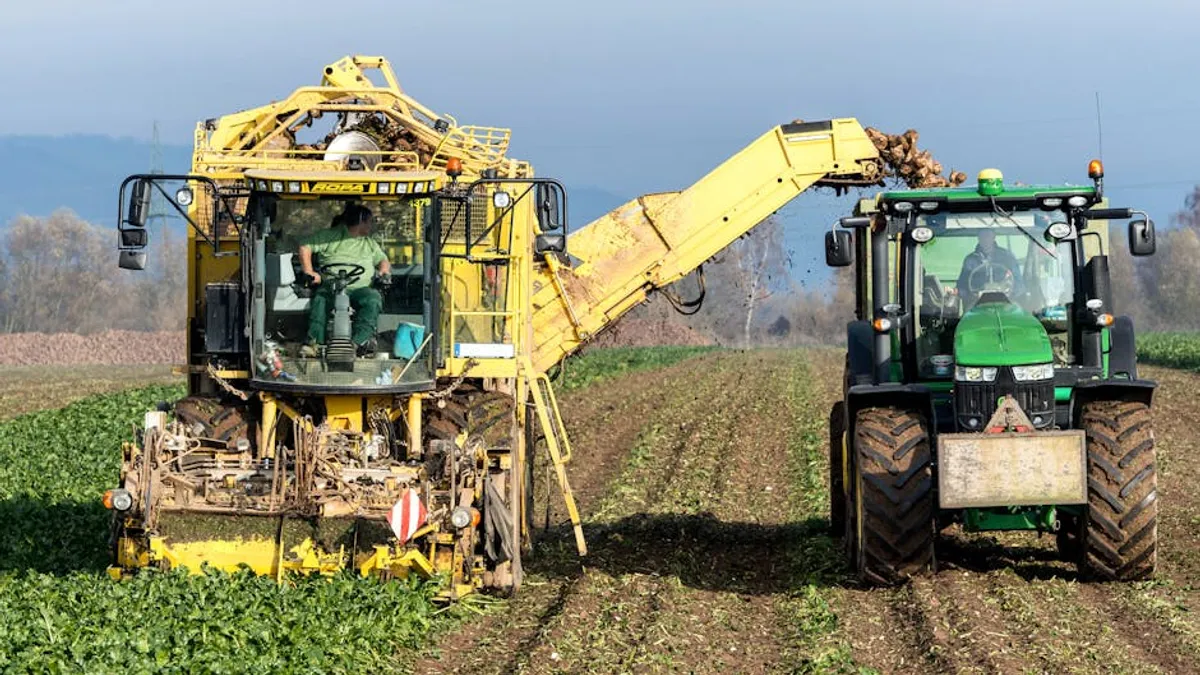
Conventional food production, also known as traditional farming, represents the dominant agricultural system globally. It focuses on maximizing yields and efficiency, often utilizing practices developed during the Green Revolution. This approach typically involves the use of synthetic chemical inputs, advanced machinery, and large-scale operations.
Core aspects of conventional farming include:
- Synthetic Inputs: Widespread use of synthetic pesticides, herbicides, and fertilizers to control pests, weeds, and enhance crop growth. These are regulated for safe use and residue limits.
- Genetically Modified Organisms (GMOs): Many conventional crops are genetically engineered for traits such as pest resistance, herbicide tolerance, or improved nutritional profiles.
- Intensive Livestock Operations: Animals are often raised in confined spaces, with antibiotics used for disease prevention and growth promotion. Feed typically includes conventional grains.
- Processing and Preservation: Conventional foods may use a wider range of additives, preservatives, and processing aids to extend shelf life, enhance flavor, or improve texture.
Benefits often cited: Greater affordability, widespread availability, longer shelf life for processed items, and higher yields that contribute to food security.
Considerations: Potential for pesticide residues (though within regulatory limits), environmental concerns related to chemical runoff and monoculture, and animal welfare issues in some intensive systems.
Key Differentiators and Overlapping Realities
While the definitions establish clear boundaries, the practical differences between organic and conventional food involve nuances beyond simple labels.
Pesticide and Herbicide Use
Organic farming prohibits synthetic pesticides and herbicides, relying on natural alternatives or cultural practices. Conventional farming utilizes these synthetic chemicals, which are rigorously tested and regulated to ensure consumer safety. Studies on pesticide residues consistently show lower levels in organic produce, but conventional produce, when washed, generally falls within safe limits set by regulatory bodies.
Fertilizer and Soil Management
Organic systems prioritize building soil health through natural amendments like compost and manure, fostering long-term fertility. Conventional agriculture often relies on synthetic nitrogen, phosphorus, and potassium fertilizers to deliver immediate nutrients, which can contribute to runoff and water pollution if not managed carefully.
Genetically Modified Organisms (GMOs)
Organic certification explicitly forbids the use of GMOs in any part of the production process. Conventional agriculture widely adopts GMO crops, primarily to enhance pest resistance or herbicide tolerance, thereby increasing yields and reducing input costs for farmers.
Animal Welfare Standards
Organic animal agriculture mandates specific standards for animal welfare, including outdoor access, organic feed, and strict limits on antibiotic use. Conventional animal farming practices vary widely, but often involve more confined conditions and the routine use of antibiotics and growth hormones, though these are also regulated.
Cost and Accessibility
Organic products typically command a higher price point due to factors such as smaller scale of production, increased labor requirements for pest and weed control, more expensive feed for livestock, and the costs associated with certification and compliance. Conventional foods, benefiting from economies of scale and often less restrictive production methods, are generally more affordable and widely available.
Nutritional Value Debate
The scientific consensus on significant nutritional differences between organic and conventional foods remains a topic of ongoing research. While some studies suggest higher levels of certain antioxidants or vitamins in specific organic produce, the overall nutritional profile is often found to be comparable. The primary nutritional benefit of both is the consumption of fruits, vegetables, and whole foods themselves, regardless of farming method.
Pro Tip: The presence of an "organic" label signifies adherence to specific, verifiable standards. Terms like "natural," "free-range," or "hormone-free" on conventional products may indicate certain practices, but they do not carry the same comprehensive regulatory oversight as certified organic and do not imply the absence of synthetic pesticides or GMOs.
Guiding Your Food Choices
The decision between organic and conventional food is a personal one, often balancing priorities like budget, health concerns, environmental impact, and taste preferences. There is no single "right" answer, but rather a spectrum of choices based on individual values and circumstances.
Consider these points when making your selections:
- Budget Constraints: If cost is a primary factor, prioritize buying conventional fruits and vegetables that you peel or cook thoroughly.
- Pesticide Sensitivity: For foods with thin skins or those consumed raw, such as berries, leafy greens, and apples, choosing organic can reduce exposure to synthetic pesticide residues.
- Environmental Impact: Supporting organic agriculture can align with preferences for farming practices that emphasize soil health, biodiversity, and reduced chemical runoff.
- Animal Welfare: If animal welfare is a concern, organic meat, poultry, and dairy products offer stricter standards regarding living conditions and antibiotic use.
- Washing Produce: Regardless of whether produce is organic or conventional, always wash it thoroughly under running water to remove dirt, bacteria, and surface residues.
Ultimately, a balanced diet rich in a variety of fruits, vegetables, whole grains, and lean proteins, whether organic or conventional, contributes most significantly to overall health and well-being. Understanding the distinctions empowers consumers to make choices that align with their personal values and priorities.
Frequently Asked Questions
Is organic food always healthier than conventional food?
Current scientific consensus indicates that while organic foods may have slightly higher levels of certain nutrients or antioxidants in some cases, the overall nutritional difference between organic and conventional options is often not significant enough to impact health outcomes dramatically. The primary health benefit comes from consuming a diet rich in fruits, vegetables, and whole foods, regardless of farming method.
Why is organic food typically more expensive?
Organic food often costs more due to several factors: smaller-scale production, increased labor for pest and weed control (without synthetic chemicals), more expensive organic feed for livestock, stricter animal welfare standards, and the costs associated with organic certification and compliance. These factors contribute to higher production costs compared to conventional farming.
Does "natural" mean the same thing as "organic"?
No, "natural" and "organic" are distinct terms with different meanings and regulatory oversight. "Organic" is a heavily regulated label that ensures specific farming and processing standards are met, prohibiting synthetic pesticides, GMOs, and antibiotics. "Natural" is a less regulated term, typically indicating the absence of artificial ingredients or preservatives, but it does not address farming methods, pesticide use, or GMOs.
Should I prioritize buying certain organic foods over others?
Many consumers choose to prioritize buying organic for produce that is typically heavily sprayed or consumed with its skin, such as berries, leafy greens, apples, and peppers. For produce with thick skins that are peeled before eating, like avocados or bananas, the distinction may be less critical from a pesticide residue perspective. This approach often helps manage budget while addressing specific concerns.