
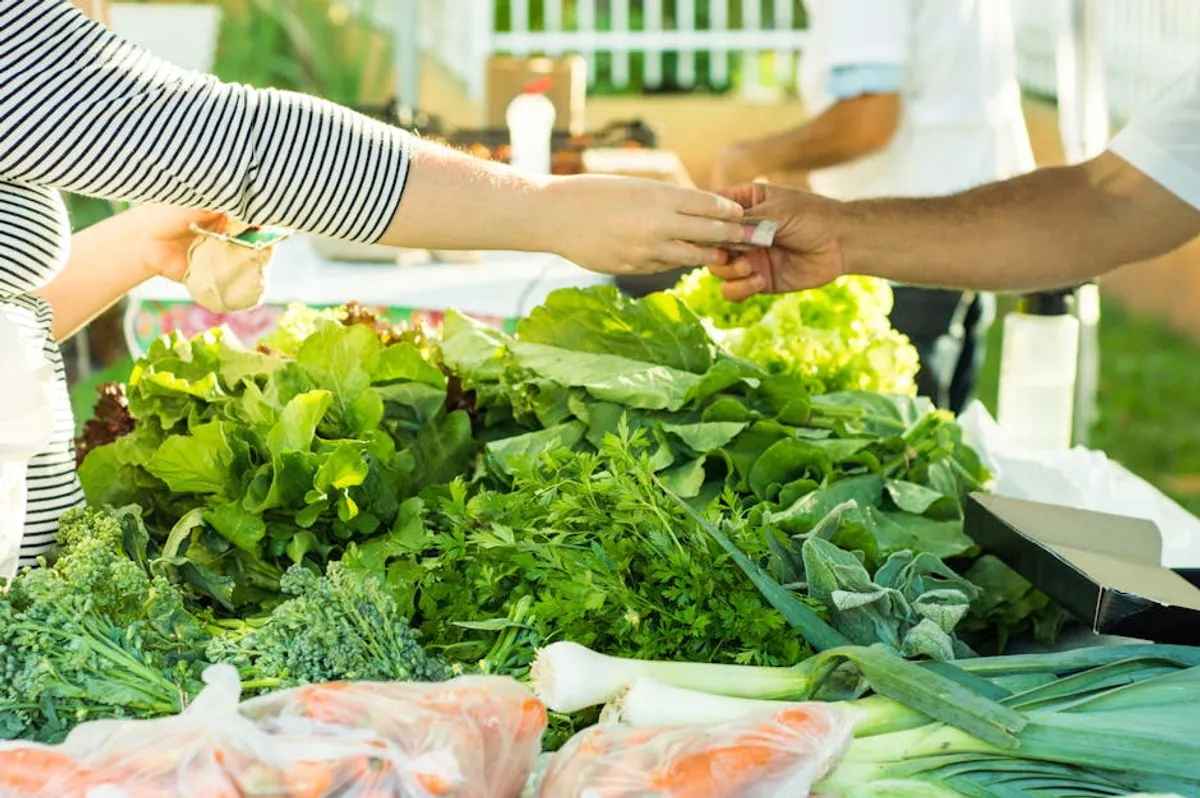
Businesses and consumers increasingly prioritize local produce for its inherent advantages, moving beyond simple preference to a strategic choice. Sourcing local ingredients directly impacts product quality, operational efficiency, and market perception. Understanding specific local produce examples and their implications allows for informed decisions, whether for menu planning, retail inventory, or personal consumption. The drivers are clear: superior freshness, direct support for regional economies, and a reduced environmental footprint.
Defining "Local" in Produce Sourcing
The term "local produce" lacks a universal, legally binding definition, creating variability in its interpretation. For many, it implies food grown, raised, or harvested within a specific radius, commonly cited as 50 to 400 miles from the point of sale or consumption. Other definitions might focus on state lines, county boundaries, or even specific agricultural regions. This ambiguity means that businesses making "local" claims must establish and communicate their own clear criteria to consumers. For example, a restaurant might define "local" as within a 100-mile radius, while a grocery chain might consider "local" to be within the same state. This transparency is crucial for maintaining consumer trust and accurately representing sourcing practices.
Concrete Examples of Local Produce Categories
Local produce extends beyond just fruits and vegetables, encompassing a wider array of agricultural products. The specific examples available will always depend on geographic location, climate, and time of year.
Seasonal Fruits and Vegetables
These are the most commonly recognized local produce items, with availability dictated by the growing season in a particular region. Businesses benefit from peak flavor and nutritional value when sourcing these items.
- Spring: Asparagus, radishes, spinach, lettuce, strawberries, peas. These items offer crisp textures and vibrant flavors, ideal for fresh salads and light dishes.
- Summer: Tomatoes, corn, bell peppers, zucchini, berries (blueberries, raspberries), peaches, watermelon. Summer produce is characterized by high water content and sweetness, suitable for grilling, canning, or fresh consumption.
- Fall: Apples, pumpkins, squash (butternut, acorn), sweet potatoes, cranberries, kale, Brussels sprouts. These items are excellent for roasting, baking, and heartier meals, often storing well for extended periods.
- Winter: Root vegetables (carrots, potatoes, parsnips), onions, garlic, hardy greens (collards, mustard greens), citrus (in warmer climates). Winter produce provides essential nutrients and resilience, forming the base for many comfort foods.
Locally Sourced Animal Products
Beyond plant-based items, local sourcing extends to dairy, eggs, and meats, often distinguished by specific farming practices.
- Dairy: Milk, cheese, and yogurt from local creameries often highlight specific breeds or artisanal production methods. The shorter transport times can mean fresher products with unique flavor profiles.
- Eggs: Farm-fresh eggs from local poultry operations are frequently sought after for perceived higher quality, richer yolks, and ethical farming practices (e.g., pasture-raised).
- Meats & Poultry: Locally raised beef, pork, lamb, and chicken can offer traceable origins, specific feed regimens (e.g., grass-fed), and often support smaller, independent farms. This appeals to consumers concerned with animal welfare and sustainability.
Specialty and Value-Added Local Products
Many local producers create goods that extend beyond raw ingredients, leveraging regional specialties and traditional methods.
- Honey: Local honey is valued for its distinct flavor influenced by regional flora and for its potential benefits for seasonal allergies.
- Baked Goods: Breads, pastries, and other baked goods made with locally milled flours or regional ingredients offer a unique selling proposition.
- Preserves & Jams: Small-batch preserves utilize seasonal fruits, extending their availability and showcasing traditional culinary techniques.
- Craft Beverages: Local breweries, wineries, and cideries use regional ingredients like hops, grapes, or apples to create unique products that reflect local terroir.
Commercial Advantages of Integrating Local Produce
For businesses, incorporating local produce is not merely a trend; it offers tangible commercial benefits that can differentiate a brand and enhance profitability.
Enhanced Freshness and Quality: Shorter supply chains mean produce is harvested closer to its peak, retaining more nutrients, flavor, and visual appeal. This translates to a superior end product for restaurants, caterers, and retailers, justifying premium pricing.
Reduced Logistics and Waste: Local sourcing can minimize transportation costs and spoilage rates compared to long-distance supply chains. Direct relationships with farmers often allow for more flexible ordering and delivery schedules, reducing inventory holding times and waste.
Strong Marketing and Branding: The "farm-to-table" narrative resonates deeply with consumers who value transparency, authenticity, and sustainability. Businesses can leverage this by highlighting supplier stories, specific farm names, and the environmental benefits, building a stronger brand identity and customer loyalty.
Community and Economic Impact: Sourcing locally supports regional farmers and small businesses, keeping capital within the local economy. This fosters goodwill and can position a business as a responsible community partner, attracting socially conscious consumers.
Unique Product Differentiation: Access to heirloom varieties, unique regional specialties, or small-batch products not available through conventional distributors allows businesses to offer distinctive menu items or retail selections that stand out from competitors.
Pro Tip: When promoting "local" produce, always be prepared to substantiate your claims. Define your radius or criteria clearly. Consumers are increasingly savvy about sourcing, and vague assertions can erode trust. Maintain records of your local suppliers and be ready to share their stories or locations.
Strategic Sourcing for Local Produce Integration
Successfully integrating local produce requires a strategic approach, considering both opportunities and challenges. Begin by identifying key local farms, producers, and farmers' markets in your operational vicinity. Build direct relationships with these suppliers to understand their seasonal availability, volume capabilities, and pricing structures. This direct communication allows for better forecasting and negotiation.
For restaurants, menu development should embrace seasonality, designing dishes around what is currently available rather than forcing out-of-season ingredients. Retailers can create dedicated "local" sections, clearly labeling products with their origin. Educate staff on the benefits and stories behind local items, empowering them to share this information with customers. Diversify your local supplier base to mitigate risks associated with weather, crop failures, or single-source dependency. While local produce may sometimes carry a higher price point due to smaller scale production or specific farming methods, the enhanced quality, marketing value, and consumer appeal often justify the investment, contributing to overall brand value and customer satisfaction.
Frequently Asked Questions About Local Produce
What are the primary benefits of buying local produce?
The main benefits include superior freshness and flavor due to shorter travel times, support for local economies and farmers, reduced environmental impact from less transportation, and the ability to access unique seasonal varieties.
How can I find local produce suppliers for my business?
Start by visiting local farmers' markets, connecting with regional food hubs, consulting agricultural extension offices, or using online directories that list local farms and producers in your area. Networking with other local businesses can also provide valuable leads.
Is local produce always more expensive than conventionally sourced produce?
Not always. While some local produce may have a higher price point due to smaller scale production or specific growing methods, direct sourcing can sometimes eliminate intermediary costs. Additionally, the enhanced quality and marketing value often justify the investment for businesses.
What challenges might I face when sourcing local produce?
Challenges can include limited availability due to seasonality, potential inconsistencies in volume from smaller farms, and the need to manage multiple supplier relationships rather than a single large distributor. Planning and flexibility are key to overcoming these hurdles.