
Community Supported Agriculture (CSA) represents a direct economic model linking consumers with local farms, fundamentally altering the traditional supply chain. Instead of purchasing produce through retail intermediaries, individuals commit financially to a farm at the beginning of the growing season, receiving a share of the harvest in return. This upfront investment provides farmers with essential capital for seeds, equipment, and labor when expenses are highest and income is typically lowest. For consumers, it offers direct access to fresh, often organically grown, seasonal produce, fostering a direct relationship with their food source and supporting local economies.
Defining Community Supported Agriculture
At its core, CSA is a partnership between a farm and its community. Members pay a subscription fee, typically annually or seasonally, to become shareholders in the farm's output. This financial commitment is made before the harvest begins, effectively sharing the risks and rewards of farming with the growers. In exchange, members receive regular distributions of fresh produce, usually weekly, throughout the growing season.
This model moves beyond a simple transaction; it builds community. Members often engage with the farm through newsletters, farm visits, or volunteer opportunities, gaining insight into agricultural practices and the challenges of food production. The direct connection bypasses multiple layers of distribution, reducing food miles and often ensuring produce is picked closer to peak ripeness, enhancing flavor and nutritional value. This direct connection bypasses multiple layers of distribution, reducing food miles and often ensuring produce is picked closer to peak ripeness, enhancing flavor and nutritional value, and supporting local food markets.
Operational Models and Member Engagement
CSA programs vary in their structure, but common elements include a defined subscription period, a share size, and specific distribution methods. The subscription structure dictates the financial commitment and the duration of the membership.
- Subscription Structures: Most CSAs offer full-season shares, requiring a single upfront payment. Some provide half-shares for smaller households or offer payment plans to ease the financial burden. Increasingly, flexible options like market-style CSAs allow members to choose specific items from available produce, rather than receiving a pre-packed box.
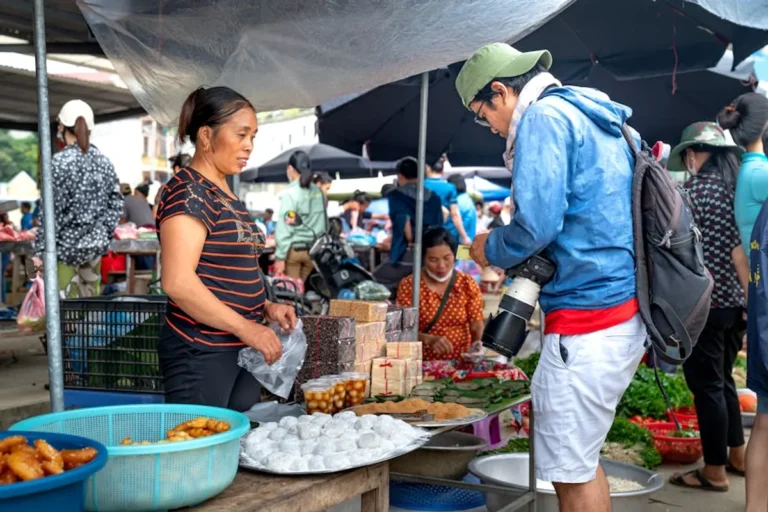
- Produce Distribution: Shares are typically picked up weekly at a central location, such as a farmers' market, a community center, or directly from the farm. Some programs offer home delivery for an additional fee, expanding accessibility for members with transportation constraints.
- Member Engagement: Beyond receiving produce, many CSAs encourage active participation. This can include farm tours, workshops on cooking or preserving seasonal vegetables, or even opportunities for members to volunteer on the farm. This engagement strengthens the community bond and educates consumers about sustainable agriculture.
Pro Tip: Before committing to a CSA, clarify the farm's specific growing practices, even if they don't hold formal organic certification. Understanding their approach to pesticides, soil health, and animal welfare ensures alignment with your personal values and expectations for the produce you receive.
Benefits for Both Consumers and Farmers
The CSA model offers distinct advantages to both participants in the food system.
For Consumers:
- Freshness and Quality: Produce is typically harvested within 24-48 hours of distribution, ensuring maximum freshness, flavor, and nutrient retention.
- Variety and Discovery: Members receive a diverse array of seasonal vegetables and fruits, often including heirloom varieties or less common produce not found in conventional grocery stores. This encourages culinary exploration.
- Local Economy Support: Funds directly support local farmers, contributing to the economic vitality of the region and preserving agricultural land.
- Transparency and Connection: Direct interaction with farmers builds trust and provides insight into where and how food is grown, fostering a deeper connection to the food system.
- Environmental Impact: Reduced transportation needs and often sustainable farming practices contribute to a smaller ecological footprint.
For Farmers:
- Financial Stability: Upfront payments provide crucial operating capital early in the season, reducing reliance on loans and mitigating financial risk.
- Guaranteed Market: Farmers have a committed customer base, simplifying market planning and reducing waste from unsold produce.
- Direct Feedback: Direct relationships with members allow farmers to receive immediate feedback on produce quality and variety, informing future planting decisions.
- Community Support: Members often become advocates for the farm, providing labor, marketing support, and a sense of shared purpose.
- Fair Pricing: The direct-to-consumer model allows farmers to set fair prices for their produce, ensuring a more equitable return for their labor and investment compared to wholesale markets.
Potential Challenges and Considerations
While beneficial, CSA participation involves certain considerations for both parties.
For Consumers:
- Lack of Choice: Traditional CSA models offer limited choice over the specific items in a weekly share, which can be challenging for picky eaters or those with dietary restrictions.
- Upfront Cost: The lump-sum payment required by many CSAs can be a barrier for some households.
- Seasonality and Risk: Members share in the risks of farming, meaning crop failures due to weather or pests can result in smaller shares or fewer varieties in a given week.
- Time Commitment: Processing and cooking a large volume of seasonal produce can require more time and culinary creativity than purchasing individual items.
For Farmers:
- Labor and Logistics: Managing membership, packing shares, and coordinating multiple distribution points adds significant administrative and logistical demands.
- Member Retention: Educating members about seasonality and managing expectations regarding crop variability is crucial for long-term retention.
- Crop Diversity: Farmers must cultivate a wide variety of crops to keep shares interesting and diverse throughout the season, which can be complex.
Choosing the Right CSA Program
Selecting a CSA requires careful consideration to ensure it aligns with your household's needs and values. Research local farms offering CSA programs. Key factors include:
- Farm Location and Practices: Understand the farm's proximity, growing methods (e.g., organic, conventional, low-spray), and any certifications.
- Share Size and Flexibility: Determine if a full or half share suits your consumption habits. Inquire about payment plans or vacation holds.
- Distribution Method: Assess pickup locations and times for convenience.
- Communication: Look for farms with clear communication about what to expect in shares, farm news, and any potential crop issues.
- Community Engagement: If you value direct interaction, seek out CSAs that offer farm visits, volunteer days, or member events.
Understanding Your CSA Investment
Participating in a Community Supported Agriculture program is more than just buying groceries; it's an investment in a local farm, sustainable practices, and a healthier food system. While it requires an upfront commitment and adaptability to seasonal availability, the benefits of fresh, high-quality produce, direct farmer relationships, and community engagement often outweigh the challenges. Evaluate your needs, research local options, and engage with the farming community to find a CSA that enriches your diet and supports local agriculture.
Frequently Asked Questions
What if I don't like certain vegetables?
Many traditional CSAs provide pre-selected boxes, so you might receive items you're less familiar with. Some flexible or market-style CSAs allow for limited customization or offer a "swap box" at pickup locations where members can exchange items. This encourages culinary exploration and reduces waste.
Is CSA always organic?
Not necessarily. While many CSA farms use organic or sustainable practices, not all are certified organic due to the cost and paperwork involved. It's essential to directly ask the farmer about their specific growing methods and pest management strategies to ensure they align with your preferences.
What happens if there's a crop failure?
CSA members share in the risks of farming. In the event of a significant crop failure, the quantity or variety of produce in shares might be reduced. Farmers typically communicate these challenges transparently, and some may compensate by sourcing from other local farms or offering additional produce from different crops.
Can I split a CSA share with someone else?
Yes, many members choose to split a full share with a friend, family member, or neighbor. This can make the upfront cost more manageable and help ensure all the produce is consumed, especially for smaller households. Coordinate with your partner on pickup schedules and division of the weekly bounty.