
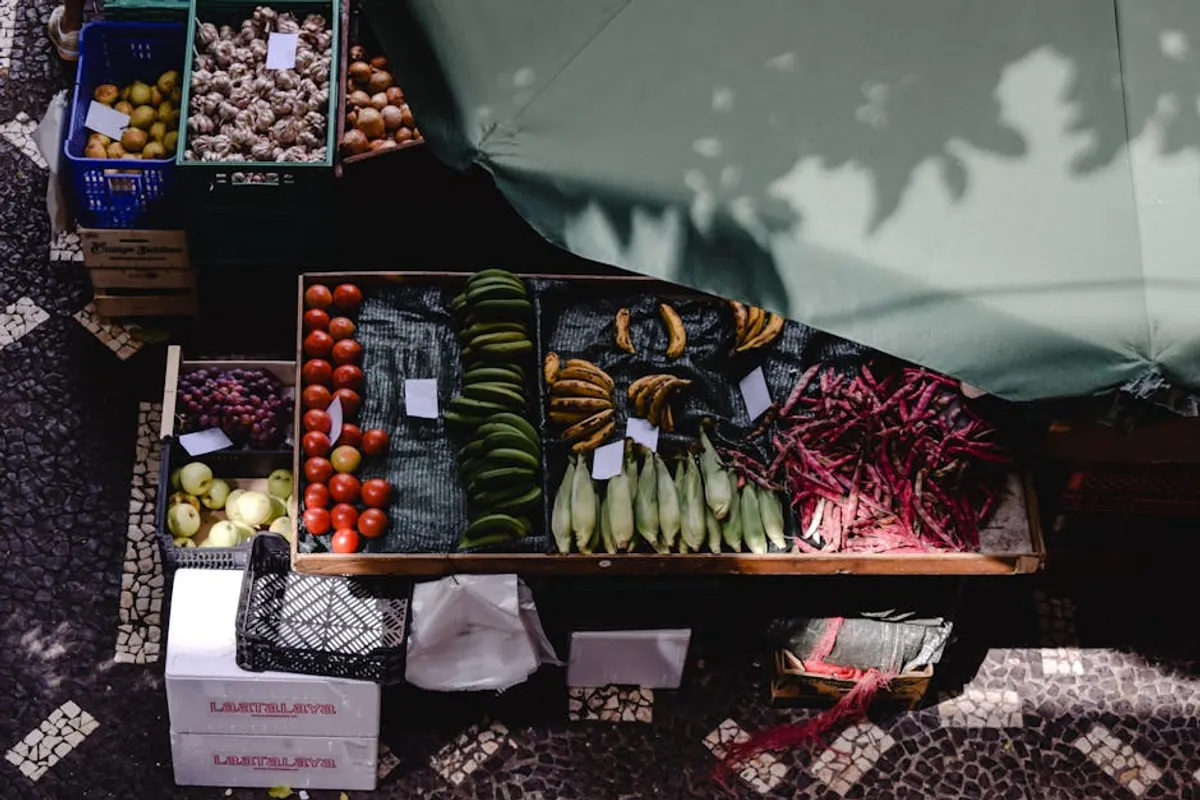
Embarking on a journey often involves more than just seeing new sights; it’s about experiencing the essence of a place through its flavors. Regional foods offer an unparalleled window into local culture, history, and agricultural practices. For travelers, seeking out these specific dishes transforms a meal from mere sustenance into a core memory, connecting them directly to the destination’s identity. This guide focuses on identifying distinct regional culinary experiences that are not only delicious but also culturally significant, providing concrete reasons why each warrants a place on a discerning traveler’s itinerary. Understanding the unique characteristics, preparation methods, and local context of these foods allows for a more informed and satisfying exploration of global cuisine.
Understanding the Essence of Regional Cuisine
What elevates a dish from a local specialty to a must-try regional food for travelers? It hinges on several key factors: authenticity, historical significance, ingredient provenance, and cultural immersion. An authentic regional food is deeply rooted in its place of origin, often prepared using traditional methods passed down through generations. Its historical significance can reflect periods of migration, trade, or innovation, telling a story through its flavors. Ingredient provenance is critical; many iconic dishes rely on specific local produce, livestock, or seafood that cannot be perfectly replicated elsewhere, contributing to a unique taste profile. Finally, the act of consuming these foods in their native setting, perhaps in a bustling market or a centuries-old trattoria, provides an immersive cultural experience that generic dining cannot match. These elements combine to create not just a meal, but a tangible connection to the destination itself.
1. Neapolitan Pizza
Authentic Neapolitan pizza, specifically Pizza Margherita, originates from Naples, Italy, and is protected by a Traditional Speciality Guaranteed (TSG) certification. Its hallmark is a soft, thin crust with a raised, airy edge (cornicione) that often features leopard-spot charring from a wood-fired oven. The simple toppings—San Marzano tomatoes, fresh mozzarella (buffalo or fior di latte), basil, and olive oil—are meticulously sourced and applied, allowing each ingredient to contribute distinctly without overwhelming the others. This isn't merely a dish; it's a cultural institution embodying culinary precision and historical significance.
Best for: Travelers seeking a foundational culinary experience, those who appreciate simplicity executed flawlessly, and anyone looking to understand the origins of one of the world's most beloved dishes. It's ideal for a quick, satisfying meal in a vibrant urban setting.
Pros:
- Guaranteed authenticity through TSG certification, ensuring a consistent, high-quality product in Naples.
- Relatively affordable, offering exceptional value for a world-class gastronomic experience.
- Widely available throughout Naples, from historic pizzerias to modern interpretations.
- Ingredient transparency; the limited components highlight freshness and quality.
Cons:
- The very simplicity can be a drawback for those accustomed to heavily topped or thicker-crusted pizzas.
- Authentic versions are best enjoyed fresh from the oven, making takeout less ideal.
- Can be difficult to replicate accurately outside of Naples due to specific ingredient sourcing and oven requirements.
Verdict: A non-negotiable culinary pilgrimage for any food-focused traveler. Its understated elegance and historical weight make it more than just a meal; it's a direct connection to Italian culinary heritage that sets the benchmark for all other pizzas.
2. Tacos al Pastor
Tacos al Pastor are a distinctive culinary contribution from Mexico City, characterized by thinly sliced, marinated pork cooked on a vertical spit (trompo), similar to Middle Eastern shawarma. The pork is marinated in a blend of chilies, spices, and achiote, giving it a vibrant red hue and complex flavor. As the meat cooks, it's shaved directly onto small corn tortillas, often topped with pineapple, onion, cilantro, and a squeeze of lime. This fusion dish reflects the influence of Lebanese immigrants on Mexican cuisine, adapted with local ingredients and techniques.
Best for: Adventurous eaters seeking a vibrant street food experience, those interested in culinary fusion, and travelers looking for an affordable yet profoundly flavorful meal that showcases Mexican ingenuity.
Pros:
- Exceptional flavor profile: a balance of savory, spicy, sweet, and tangy notes.
- Highly accessible and affordable, found in countless taquerías and street stalls across Mexico City.
- Offers a dynamic visual experience watching the meat being carved from the trompo.
- Represents a unique cultural blend, showcasing culinary adaptation and innovation.
Cons:
- Quality can vary significantly between vendors, requiring some discernment to find the best spots.
- Street food environment might not appeal to all travelers due to hygiene concerns (though reputable vendors are generally safe).
- Can be challenging for those with pork restrictions or allergies to specific spices.
Verdict: An essential taste of Mexico City's street food scene, offering a complex, satisfying, and culturally rich experience that transcends a simple meal. Its unique preparation makes it distinct from other taco varieties.
3. Peking Duck
Peking Duck is a celebrated dish from Beijing, China, renowned for its thin, crisp skin and tender meat. The preparation is elaborate, involving air-drying the duck, coating it with maltose syrup, and roasting it in a hung oven. The result is a glistening, mahogany-colored skin that shatters on impact. Traditionally, the duck is carved tableside and served with thin pancakes, spring onions, cucumber, and hoisin sauce, allowing diners to assemble their own wraps. This dish is a symbol of Chinese culinary artistry and hospitality.
Best for: Travelers seeking a luxurious and interactive dining experience, those interested in traditional Chinese banqueting, and groups looking to share a memorable, iconic meal.
Pros:
- Unique texture contrast between the exceptionally crisp skin and succulent meat.
- Interactive dining experience, allowing customization of each bite.
- High cultural significance, often served at special occasions and state banquets.
- Offers a complete meal experience, often accompanied by duck soup or stir-fried duck meat.
Cons:
- Can be expensive, especially at renowned restaurants, making it a splurge.
- Requires advance booking at popular establishments due to the lengthy preparation process.
- Authentic preparation is labor-intensive, meaning quality can vary significantly outside of dedicated duck restaurants.
Verdict: A culinary masterpiece that delivers on spectacle and flavor, offering a deep dive into Beijing's gastronomic heritage. It's an investment in an experience that goes beyond just taste, embodying tradition and refinement.
4. Sushi (Edomae style)
Edomae sushi, originating from Tokyo (formerly Edo), is characterized by its focus on fresh, seasonal fish, expertly prepared rice, and minimalist presentation. The fish is often aged, marinated, or lightly cured to enhance its natural flavors, rather than relying on heavy sauces. The rice, seasoned with vinegar, salt, and sugar, is crucial, providing a subtle counterpoint to the fish. A master sushi chef (itamae) meticulously crafts each piece by hand, ensuring the perfect balance of temperature, texture, and flavor. This is an art form, not just food, emphasizing precision and respect for ingredients.
Best for: Discerning food enthusiasts, those who appreciate culinary craftsmanship, and travelers seeking an intimate and refined dining experience focused on subtle flavors and fresh ingredients.
Pros:
- Unparalleled freshness and quality of ingredients, particularly the fish.
- Showcases the skill and artistry of the sushi chef, often a theatrical experience.
- Offers a light yet satisfying meal, emphasizing natural flavors.
- A cornerstone of Japanese culinary identity, reflecting a deep respect for food.
Cons:
- Can be very expensive, especially at high-end establishments offering omakase (chef's choice) menus.
- Requires an open mind to try various types of raw fish, some of which may have unfamiliar textures or tastes.
- Etiquette around eating sushi can be intimidating for first-timers.
Verdict: An essential experience for understanding Japanese culinary philosophy, offering a refined exploration of seafood and rice. It's a testament to how simplicity, when executed with extreme precision, can achieve profound gastronomic depth.
5. Poutine
Poutine is a quintessential dish from Quebec, Canada, consisting of French fries topped with cheese curds and smothered in a rich brown gravy. While seemingly simple, the quality of each component is crucial: the fries must be crispy, the cheese curds fresh and squeaky, and the gravy flavorful and hot enough to slightly melt the curds without turning them into a homogenous blob. It originated in rural Quebec in the 1950s and has since become a national comfort food, evolving into countless variations while retaining its core identity.
Best for: Travelers seeking hearty comfort food, those looking for an authentic Canadian culinary staple, and anyone wanting a satisfying, unpretentious meal after a day of exploration.
Pros:
- Deeply satisfying and filling, especially in colder climates.
- Highly customizable with various toppings beyond the classic (e.g., pulled pork, smoked meat).
- Widely available across Quebec, from fast-food joints to upscale bistros.
- Affordable and accessible, making it a democratic culinary experience.
Cons:
- Can be very heavy and rich, potentially not suitable for lighter appetites or those on strict diets.
- The quality of cheese curds is paramount; inferior curds significantly degrade the experience.
- While widely available, truly excellent poutine requires seeking out establishments known for their quality components.
Verdict: A robust and comforting dish that perfectly encapsulates Canadian casual dining. It's more than just fries and gravy; it’s a cultural touchstone that provides immediate gratification and a genuine taste of Quebec.
6. Paella (Valencian)
Authentic Valencian paella is a rice dish originating from the Valencia region of Spain, traditionally cooked outdoors over an open fire in a wide, shallow pan. The classic recipe, Paella Valenciana, features short-grain rice, chicken, rabbit, green beans (ferraura), and garrofó beans, seasoned with saffron, paprika, and rosemary. Crucially, it does not include seafood. The goal is to achieve a socarrat—a caramelized, crispy crust of rice at the bottom of the pan—which is highly prized. This dish is a communal meal, often prepared for family gatherings on Sundays.
Best for: Travelers seeking a communal dining experience, those interested in traditional Spanish cuisine beyond tapas, and food enthusiasts who appreciate dishes with specific historical and regional definitions.
Pros:
- Offers a rich, complex flavor profile from the combination of meats, vegetables, and saffron.
- The socarrat provides a unique textural element that distinguishes authentic paella.
- Eating paella in Valencia provides a direct connection to its culinary origins and cultural importance.
- Typically a large-format dish, ideal for sharing and fostering social interaction.
Cons:
- Many "paellas" outside Valencia or tourist traps are inauthentic, using inappropriate ingredients or cooking methods.
- The preparation is time-consuming, meaning it's often a planned meal rather than a quick bite.
- Can be challenging for vegetarians or those with specific meat restrictions, as the traditional recipe is quite specific.
Verdict: An essential culinary experience in Valencia, offering a profound insight into Spanish agricultural and communal dining traditions. It demands discernment to find true authenticity but rewards with a deeply flavorful and culturally significant meal.
7. Gumbo
Gumbo is a hearty stew originating from Louisiana, particularly New Orleans, reflecting the rich cultural tapestry of Creole and Cajun cuisines. Its foundation is a roux (a mixture of fat and flour), which provides depth of flavor and thickening. Key ingredients include a "holy trinity" of celery, bell peppers, and onions, along with various meats (chicken, sausage, seafood, or a combination) and often okra or filé powder for additional thickening and flavor. Each spoonful tells a story of West African, French, Spanish, and Native American influences, making it a complex and soulful dish.
Best for: Travelers looking for a deeply flavorful and comforting meal, those interested in American regional culinary history, and anyone seeking a dish that embodies the diverse cultural heritage of New Orleans.
Pros:
- Incredibly rich and complex flavor profile, developed through slow cooking and layering of ingredients.
- Highly versatile, with numerous variations (seafood, chicken and sausage, vegetarian) to suit different preferences.
- A cornerstone of Louisiana cuisine, offering a direct taste of local culture and tradition.
- Often served with rice, making it a complete and satisfying meal.
Cons:
- Can be very rich and heavy, potentially not suitable for lighter appetites.
- Preparation is labor-intensive; finding truly authentic and well-made gumbo requires seeking out reputable establishments.
- Some variations, particularly those with shellfish, may not be suitable for individuals with allergies.
Verdict: A quintessential New Orleans experience, gumbo is more than just a stew; it's a culinary narrative of a region's history and diverse influences. Its depth of flavor and cultural significance make it an indispensable try.
8. Pho
Pho is Vietnam's iconic noodle soup, particularly associated with Hanoi (pho bac) and Ho Chi Minh City (pho nam), each with distinct characteristics. The foundation is a deeply aromatic broth, simmered for hours with beef bones and spices like star anise, cinnamon, cloves, and ginger. It's served with flat rice noodles, thinly sliced beef (or chicken), and a plate of fresh herbs (basil, cilantro, mint), bean sprouts, lime wedges, and chilies for customization. Pho is often eaten for breakfast but enjoyed throughout the day, embodying both comfort and complexity.
Best for: Travelers seeking a flavorful and aromatic comfort food, those interested in the nuances of Vietnamese cuisine, and anyone looking for an affordable yet profoundly satisfying meal that defines a national culinary identity.
Pros:
- Extremely aromatic and flavorful broth, the result of meticulous, long cooking.
- Highly customizable with fresh herbs and condiments, allowing diners to tailor the taste.
- Widely available and affordable across Vietnam, from street stalls to dedicated pho restaurants.
- Offers a balanced meal with protein, carbohydrates, and fresh vegetables.
Cons:
- Quality can vary significantly; finding the best pho often requires local recommendations.
- Some travelers might find the strong aroma of certain spices (e.g., star anise) an acquired taste.
- Can be messy to eat, particularly at bustling street stalls.
Verdict: An indispensable culinary experience in Vietnam, pho offers a comforting and deeply flavorful insight into the country's gastronomic soul. Its balance of aromatic broth and fresh ingredients makes it a standout regional dish.
9. Currywurst
Currywurst is a fast-food staple originating from Berlin, Germany, consisting of steamed, then fried pork sausage (often bratwurst) cut into bite-sized pieces, smothered in a tangy tomato-based sauce seasoned with curry powder, and typically served with French fries or a bread roll. Developed shortly after WWII, it quickly became a symbol of post-war ingenuity and a beloved working-class meal. While simple in concept, the quality of the sausage and the specific blend of the curry sauce are fiercely debated among enthusiasts.
Best for: Travelers seeking an authentic, quick, and affordable German street food experience, those interested in post-war culinary history, and anyone looking for a comforting, savory snack or light meal.
Pros:
- Highly accessible and affordable, found at countless Imbiss (snack stands) throughout Berlin.
- Offers a unique flavor profile that combines savory sausage with a sweet, tangy, and mildly spicy sauce.
- A genuine cultural icon of Berlin, deeply embedded in the city's identity.
- Quick service makes it an ideal option for on-the-go exploration.
Cons:
- The dish is relatively simple; those expecting a gourmet experience might be underwhelmed.
- Quality of sausage and sauce can vary widely, necessitating some research to find the best vendors.
- Not suitable for vegetarians or those avoiding pork.
Verdict: A quintessential Berlin experience, Currywurst offers a direct, unpretentious taste of local street food culture. It's a flavorful and historically significant snack that provides immediate gratification and a genuine connection to the city's character.
10. Pastel de Nata
Pastel de Nata is a traditional Portuguese custard tart, originating from the Jerónimos Monastery in Lisbon before the 18th century. It features a crisp, flaky pastry crust filled with a rich, creamy egg custard, baked at high temperatures until the top is caramelized and lightly charred. The contrast between the delicate crust and the warm, sweet, silky filling is its defining characteristic. Best enjoyed warm, often dusted with cinnamon or powdered sugar, it's a beloved treat and a symbol of Portuguese confectionery tradition.
Best for: Travelers with a sweet tooth, those seeking an iconic European pastry, and anyone looking for an authentic and accessible taste of Lisbon's culinary heritage, perfect for a coffee break or dessert.
Pros:
- Exquisite balance of textures: flaky crust and creamy filling.
- Widely available and affordable throughout Lisbon, with many bakeries specializing in them.
- Offers a direct link to Portuguese history and monastic culinary practices.
- Small size makes it a perfect snack or accompaniment to coffee.
Cons:
- Can be very sweet, which might not appeal to all palates.
- Quality can vary, with some versions having a less flaky crust or overly sweet filling.
- Highly addictive, making it difficult to stop at just one.
Verdict: An absolute must-try in Lisbon, Pastel de Nata transcends a simple pastry, offering a sublime combination of texture and sweetness that reflects centuries of Portuguese culinary artistry. It's an accessible yet profound taste of local tradition.
11. Haggis
Haggis is a traditional Scottish savory pudding, considered the national dish of Scotland, often described as having an acquired taste. It is made from sheep's pluck (heart, liver, and lungs), minced with onion, oatmeal, suet, spices, and salt, traditionally encased in the animal's stomach, though now often in an artificial casing. It is typically served with "neeps and tatties" (turnips and potatoes), especially during Burns Suppers. Despite its unusual ingredients, a well-prepared haggis offers a rich, peppery, and earthy flavor with a crumbly, moist texture.
Best for: Adventurous eaters, those interested in deeply traditional and historically significant national dishes, and travelers looking to fully immerse themselves in Scottish culture.
Pros:
- Profound cultural significance, deeply tied to Scottish identity and history.
- Unique and complex flavor profile, savory and peppery.
- Provides a hearty, warming meal, especially suitable for colder climates.
- Widely available in Scotland, from butchers to fine dining establishments.
Cons:
- The ingredients list can be off-putting for some, requiring an adventurous palate.
- Texture can be unfamiliar to those unaccustomed to offal.
- Availability outside of Scotland is limited, and versions can vary significantly.
Verdict: A courageous culinary choice that offers an unparalleled insight into Scottish heritage and resilience. While challenging for some, trying authentic hagg