
One year ago I made a deliberate decision to shop primarily at our neighborhood food co-op rather than at the supermarket I'd defaulted to for years. I wanted to find out what actually happens when you commit to alternative food systems. The marketing promised substantial things. The supermarket convenience suggested those promises might be exaggerated.
I tracked everything for the year. What I bought, what I spent, what I cooked, what changed in how I ate and how I felt. Now the year is done and I have actual data instead of just impressions.
The result is more complicated than either food movement enthusiasts or supermarket loyalists typically suggest.
What I expected
Going in I expected:
Food would cost more. The marketing implied premium pricing.
Variety would be smaller. Co-ops typically have less inventory than supermarkets.
Inconvenience would be substantial. Multiple shopping trips. Limited hours. Specific items unavailable.
Food quality would be somewhat better. Marketing implied this.
Some satisfaction from "doing the right thing" food-system-wise.
Most expectations were partially correct but in different ways than I anticipated.
What actually happened with cost
The cost story is more complicated than expected.
Some things genuinely cost more. Quality cheese, specific organic produce, prepared foods all run substantially higher than supermarket equivalents.
Some things cost the same or less. Bulk grains, beans, and dry goods are often cheaper than packaged equivalents at supermarkets.
Specific staples (bread, eggs, milk) cost more for clearly better products. The premium relates to product quality.
My total food spending increased by approximately 18% across the year. Substantial but not catastrophic.
The cost increase produced specific quality improvements I value. The math was reasonable for me. Different financial situations would produce different conclusions.
What actually happened with variety
The variety experience was different from expected:
The co-op has substantially less inventory than the supermarket — fewer products in absolute terms.
The variety I actually used increased rather than decreased. I learned about products I'd never bought from supermarket shelves.
Specific seasonal availability replaced year-round availability. Some things were unavailable when supermarket would have had them.
The "narrower but deeper" pattern produced more cooking innovation than supermarket variety did.
For my actual cooking, the variety experience was net positive despite smaller absolute selection.
What actually happened with convenience
Convenience was the biggest unexpected element:
The co-op is less convenient than supermarket in absolute terms — limited hours, specific layout, more limited inventory.
I adapted my shopping habits substantially. Different routine produced different convenience experience.
Some items I bought elsewhere when co-op didn't have them. The diversification was practical.
The frequency of shopping increased — more trips, smaller hauls.
The shopping became more pleasant despite less convenient. Fewer parking battles. Slower pace. People I'd come to know.
Convenience is multidimensional. The co-op was less convenient in some dimensions and more convenient in others.
What actually happened with food quality
The food quality experience was substantial:
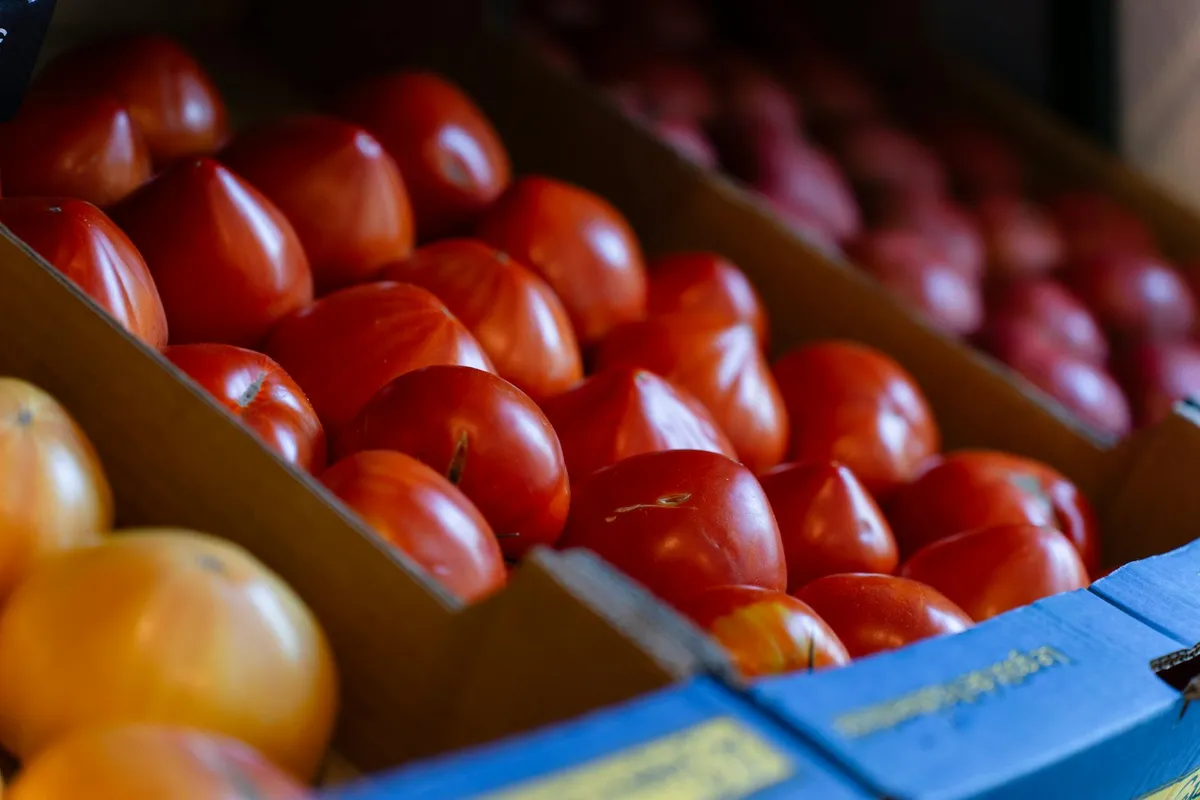
Vegetables tasted noticeably different. Tomatoes, lettuces, root vegetables especially.
Bread quality was substantially better. The bread alone justified some of the cost increase.
Eggs and dairy were noticeably different. The yolks of pastured eggs are dramatically more orange than supermarket eggs.
Specific specialty items (cheeses, cured meats, prepared foods) were substantially better than supermarket equivalents.
Some items were comparable. Boxed pasta is boxed pasta regardless of where you buy it.
The quality differential was real and substantial in many categories. Not all categories.
What I cooked differently
The cooking changes were the biggest surprise:
I cooked more vegetables. The quality and variety produced more vegetable-focused meals.
I cooked more from scratch. Bulk grains and beans replaced packaged convenience foods.
I learned new techniques. Specific ingredients required new approaches.
I wasted less food. Smaller, more frequent shopping reduced spoilage substantially.
I ate more seasonally. The available produce changed across seasons in ways that supermarket year-round availability had hidden.
The cooking changes were probably the most substantial dimension of the year.
I expect they'll persist beyond the experiment.
What I didn't expect
Several things surprised me:
The community. I started recognizing other regular shoppers. Conversations developed. The shopping became a small but real social activity.
The producer connections. Through co-op events I met farmers and makers whose food I was eating. The connection changed how I thought about specific foods.
The cooking confidence. Having specific quality ingredients made cooking more rewarding. I cooked more ambitiously.
The food values shift. I started thinking about food differently — less as commodity, more as something specific from specific places.
The mood effect. The shopping itself became something I looked forward to rather than chore to complete. Subtle but real shift.
None of these were on my expected outcomes list. All became substantial parts of the experience.
What didn't change
For honesty, things that didn't change:
I didn't become a food obsessive. The shift was real but moderate.
I didn't stop eating processed foods entirely. Some packaged foods continued through the year.
I didn't become a more sophisticated cook. The cooking improvement was incremental.
I didn't lose weight or get healthier in measurable ways. The food was better but the health effects were subtle.
I didn't evangelize to friends and family. The experience was personal rather than missionary.
The realistic expectations help understand what co-op shopping actually does.
The financial math in detail
For people considering similar shifts:
My monthly food spending increased from approximately £350 to approximately £415. About £65/month or £780/year.
The increase represents quality improvements and small premium for sourcing standards.
Specific categories where co-op cost more: prepared foods, specific organic produce, premium dairy, specialty items.
Specific categories where co-op cost similar or less: bulk grains, beans, basic produce in season, specific bread.
The math worked for me at my income level. Different situations would produce different conclusions.
For people on tight budgets, the math may not work. For people with comfortable food budgets, it probably does.
What I'd do differently
Looking back at the year:
I'd be more aggressive about seasonal eating from the start. The seasonal patterns produced specific opportunities I missed early.
I'd engage with co-op community events earlier. The community dimension was the biggest unexpected positive.
I'd talk to producers more. Their stories enriched the food substantially.
I'd cook more ambitiously earlier. The quality ingredients deserved better cooking than I gave them initially.
I'd track money more carefully. My initial tracking was imprecise.
The lessons would have produced better year-one experience.
Should you try this?
For people considering similar experiments:
If your food budget has flex: Yes. The quality improvement is real. The community engagement is real. The cooking development is real.
If your food budget is tight: Maybe. The cost increase is real. Some specific co-op shopping (bulk grains and beans particularly) makes sense even on tight budgets.
If you don't cook: Less compelling. Co-op advantages emerge through cooking. Without cooking, the case is weaker.
If you're skeptical of food movement claims: Try it specifically to see what's real and what isn't. The skepticism is reasonable; the year produced substantial evidence.
If you're committed food movement person: Be honest about what changes and what doesn't. The reality is good but not as transformative as marketing suggests.
The decision should match your specific situation rather than following generic advice.
What the food movement gets right
Honest acknowledgment of food movement claims that proved substantively correct:
Quality differential is real. Co-op food is generally better than supermarket food in specific ways.
Producer relationships matter. Knowing where food comes from changes how you think about it.
Seasonal eating produces better food. The supermarket year-round availability flattens flavors.
Community matters. The food community connection is real benefit.
Bulk shopping reduces packaging substantially. The environmental claims have real basis.
The food movement isn't entirely correct but it's correct about substantial things.
What the food movement gets wrong
Things food movement claims overstate or get wrong:
Health claims are substantially overstated. Co-op food is mostly modestly healthier rather than dramatically healthier.
Cost claims are mixed. Some things cost more; some don't. The "co-op shopping is affordable" framing oversells.
Convenience claims are usually wrong. Co-op shopping is genuinely less convenient than supermarket.
Environmental claims are partially correct. Specific local sourcing has lower transportation impact; not all co-op products do.
Transformation claims are overstated. The shift produces incremental rather than transformative change.
Realistic claims would serve the movement better than overstated ones.
What the supermarket loyalists get right
For balance, things supermarket-defending arguments get right:
Convenience is genuinely better. The supermarket experience is more convenient.
Cost is genuinely lower for many items. The supermarket math works for tight budgets.
Variety is genuinely larger. The supermarket has more products.
Quality variation is real. Some supermarket products are quite good; some co-op products are mediocre.
Specific supermarket categories (bulk staples often) compete on quality with co-op.
The pure "co-op vs supermarket" framing isn't accurate. Most thoughtful eaters use both.
What I do now
Post-experiment, my actual shopping pattern:
Co-op for produce, dairy, eggs, bread, bulk staples.
Supermarket for specific items co-op doesn't carry, specific brand items, occasional convenience.
Farmers market occasionally for specific seasonal items.
Approximately 70% of food spending at co-op, 30% elsewhere.
The mixed approach produces good outcomes from each source's strengths.
The pure co-op experiment was useful for learning but the mixed approach is better for sustained living.
What surprised me about myself
Beyond the food experience:
I cared about food more than I had recognized.
I valued community engagement more than I had expected.
I had more cooking interest than I'd been expressing.
I was more food-system-curious than I'd shown.
I had more flexibility in my routines than I'd assumed.
The experiment revealed things about me beyond what I learned about food.
The honest summary
One year of primarily co-op shopping produced substantial changes in food quality, cooking patterns, and community engagement. The cost increase was real but reasonable. The transformation was incremental but real.
For people considering similar experiments, it's achievable. The benefits are real. The costs are real. The honest math works for some situations and not others.
For people who would never consider this, you're not missing anything dramatic. Modest quality improvement, modest community benefit, modest cooking development. Good but not transformative.
For the broader food culture, mixed shopping (co-op for what they do well, supermarket for what supermarkets do well) probably produces better outcomes than purist commitments either direction.
The year was worth doing. The experiment ended at the planned point. The learnings persist.
If you're curious about what's actually true about co-op shopping versus what marketing claims, do your own version of this experiment. The data you produce will be more valuable to you than my data is.
That's the year. That's what I learned. That's what continues.