
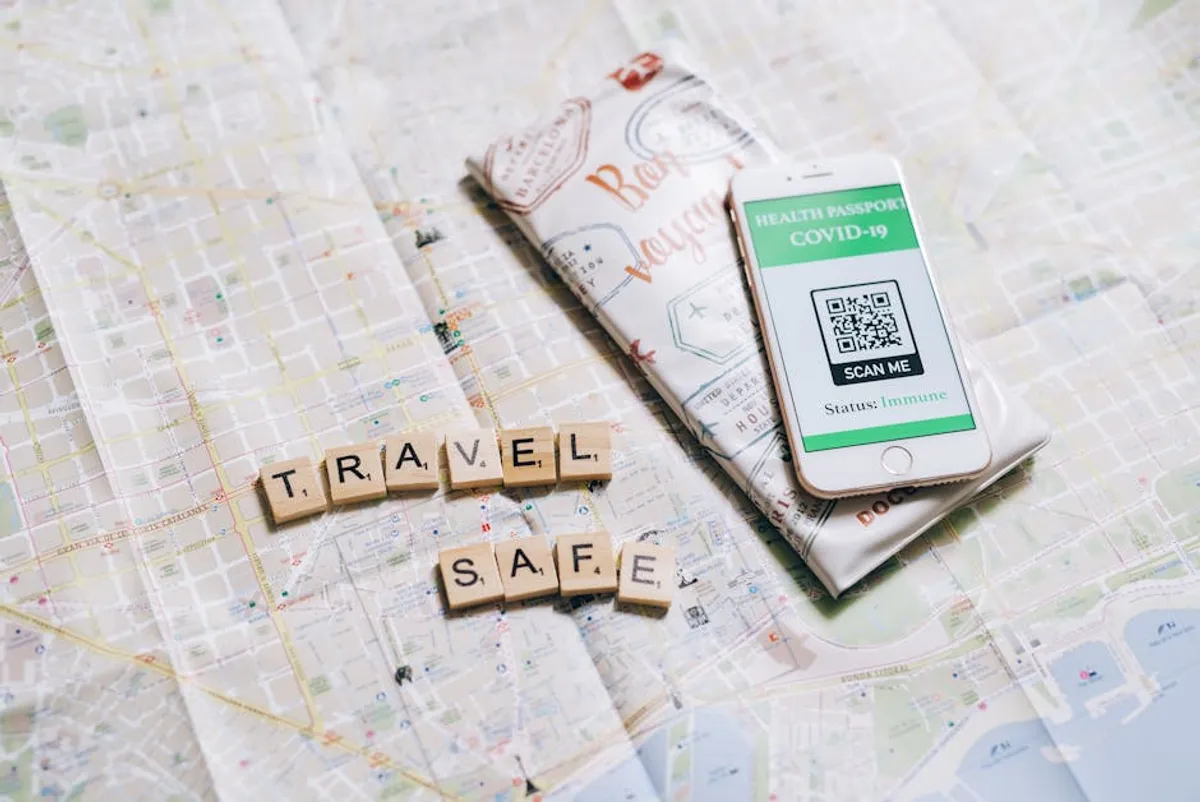
Navigating new environments is a core part of the travel experience, yet it also introduces unique considerations for personal security and well-being. Proactive planning for potential risks, from minor inconveniences to significant emergencies, fundamentally shifts the travel dynamic from reactive stress to informed enjoyment. This approach ensures that the focus remains on cultural immersion and exploration, rather than on managing preventable issues. Understanding and implementing a set of established safety protocols before and during a trip is not merely a precautionary measure; it is an essential component of responsible travel that enhances the overall quality and peace of mind for any tourist.
Essential Pre-Departure Preparations
Effective travel safety begins long before reaching the destination. Diligent preparation minimizes vulnerabilities and provides a framework for managing unforeseen circumstances.
Secure Your Documentation
Original passports, visas, and identification documents are irreplaceable. Before departure, make several copies: physical photocopies stored separately from the originals, digital scans saved to a secure cloud service (e.g., encrypted drive, password-protected email), and a copy left with a trusted contact at home. This redundancy ensures access to vital information even if primary documents are lost or stolen, expediting replacement processes.
Assess and Acquire Travel Insurance
A comprehensive travel insurance policy is not optional; it is a critical safety net. Policies should cover medical emergencies, emergency evacuation, trip cancellation or interruption, and lost or stolen luggage. Review policy details carefully for exclusions, particularly regarding pre-existing conditions, adventure sports, or specific destinations. Verify direct billing arrangements with medical providers to avoid out-of-pocket expenses during a crisis.
Research Your Destination Thoroughly
Understanding local conditions is paramount. Investigate the political climate, common scams targeting tourists, cultural norms, and local laws. Consult government travel advisories for current safety and security information. Identify the location and contact details for your country's embassy or consulate in your destination city. Knowing the local emergency numbers (police, ambulance, fire) is also non-negotiable for rapid response.
Financial Safeguards
Diversify your access to funds. Relying solely on a single credit card or cash exposes you to significant risk if either is compromised or lost. Carry a mix of debit cards, credit cards, and a limited amount of local currency. Inform your bank and credit card companies of your travel dates and destinations to prevent fraud alerts from blocking legitimate transactions. Utilize secure payment methods and avoid displaying large sums of cash.
Maintaining Vigilance During Travel
Once at your destination, consistent awareness and adherence to practical safety measures are key to a secure trip.
Personal Security and Awareness
Maintain a low profile to avoid drawing undue attention. Blend in with local attire and avoid ostentatious displays of wealth, such as expensive jewelry or electronics. Always be aware of your surroundings, especially in crowded areas like markets, public transport, or tourist attractions, where pickpocketing is common. Trust your instincts; if a situation feels unsafe, remove yourself from it.
Secure Transportation Choices
Opt for reputable and officially licensed transportation services. In many cities, ride-sharing apps offer a traceable and safer alternative to unmarked taxis. When using taxis, confirm the fare or ensure the meter is running. Always wear a seatbelt, regardless of the vehicle type. Avoid accepting rides from strangers or using informal, unverified transport options.
Pro Tip: Before departing, download offline maps of your destination and mark key locations such as your accommodation, local emergency services, and your embassy. This ensures navigation and access to critical information even without an internet connection.
Accommodation Security Measures
Upon arrival at your accommodation, inspect the room for functional locks on all doors and windows. Utilize the in-room safe for passports, extra cash, and valuables. When leaving your room, ensure all entry points are secured. Avoid discussing your room number or travel plans loudly in public areas of the hotel. If staying in a hostel, use lockers for personal belongings.
Health and Well-being
Carry any necessary prescription medications in their original packaging, along with a copy of the prescription. Research local health risks and consider appropriate vaccinations. Drink only bottled or purified water, and be cautious with street food, prioritizing vendors with high turnover and visible hygiene practices. Locate the nearest medical facility or pharmacy upon arrival.
Stay Connected
Establish a communication plan with family or friends at home, including regular check-ins. A local SIM card or an international roaming plan ensures you can make emergency calls and access online resources. Keep your phone charged and consider carrying a portable power bank. Share your itinerary with a trusted contact, including flight details and accommodation addresses.
Digital and Information Security
In an increasingly connected world, protecting your digital footprint is as crucial as safeguarding physical assets.
Protect Your Devices and Data
Use strong, unique passwords or passcodes for all electronic devices. Enable two-factor authentication wherever possible. Consider installing a Virtual Private Network (VPN) on your devices to encrypt your internet traffic, particularly when using public Wi-Fi. Back up important data to a secure cloud service before you leave.
Public Wi-Fi and Social Media Discretion
Public Wi-Fi networks in airports, cafes, or hotels are often unsecured and vulnerable to eavesdropping. Avoid conducting sensitive transactions (e.g., online banking) on these networks. Exercise caution when posting travel updates on social media. Avoid sharing your exact location in real-time, as this can signal an empty home to potential burglars or make you a target for opportunistic crime.
Responding to Emergencies
Despite best preparations, emergencies can occur. Knowing how to react is vital.
Lost or Stolen Documents
If your passport or other critical documents are lost or stolen, report it immediately to local police and obtain a police report. This report is essential for insurance claims and for obtaining replacement documents. Contact your country's embassy or consulate without delay; they can assist with emergency travel documents. Your pre-made copies will significantly speed up this process.
Medical Incidents Abroad
For serious medical emergencies, seek immediate medical attention. Your travel insurance provider should be contacted as soon as possible to coordinate care and manage billing. For less urgent issues, consult your hotel concierge or embassy for recommendations on reputable English-speaking doctors or clinics. Always keep a list of your allergies and any medical conditions on your person.
Contacting Embassies and Consulates
Embassies and consulates are critical resources for citizens abroad. They can assist with emergency passport replacement, provide lists of local doctors and lawyers, help with communication during emergencies, and offer guidance on local laws and customs. Understand their role is primarily to provide assistance, not to intervene in local legal matters or provide financial aid.
Enhancing Your Travel Security Profile
Travel safety is an ongoing practice of awareness and adaptation. By integrating these tips into your travel routine, you not only mitigate risks but also cultivate a more confident and enjoyable travel experience. The goal is not to instill fear, but to empower travelers with the knowledge and tools to navigate the world securely and independently. Prioritizing safety allows for deeper engagement with new cultures and environments, free from unnecessary worry.
Frequently Asked Questions About Travel Safety
What should I do immediately if my passport is stolen while abroad?
First, report the theft to the local police and obtain a police report, which is necessary for insurance claims and replacement. Second, contact your country's embassy or consulate to arrange for an emergency travel document. Having photocopies or digital scans of your passport will significantly expedite this process.
Is travel insurance always necessary, even for short trips?
Yes, travel insurance is highly recommended for all trips, regardless of duration or destination. It provides crucial coverage for unexpected medical emergencies, trip cancellations, lost luggage, and other unforeseen events that can incur substantial costs and disrupt your travel plans.
How can I protect my personal data when using public Wi-Fi abroad?
When using public Wi-Fi, assume the network is not secure. Avoid conducting sensitive transactions like online banking or shopping. Use a Virtual Private Network (VPN) to encrypt your internet traffic, and ensure your devices have strong passwords and up-to-factor authentication enabled.
What are common scams tourists should watch out for?
Common scams include inflated taxi fares, fake tour operators, "free" gifts that come with a cost, distraction thefts, and overly friendly strangers offering unsolicited help. Always verify credentials, clarify prices upfront, and be wary of situations that feel too good to be true.