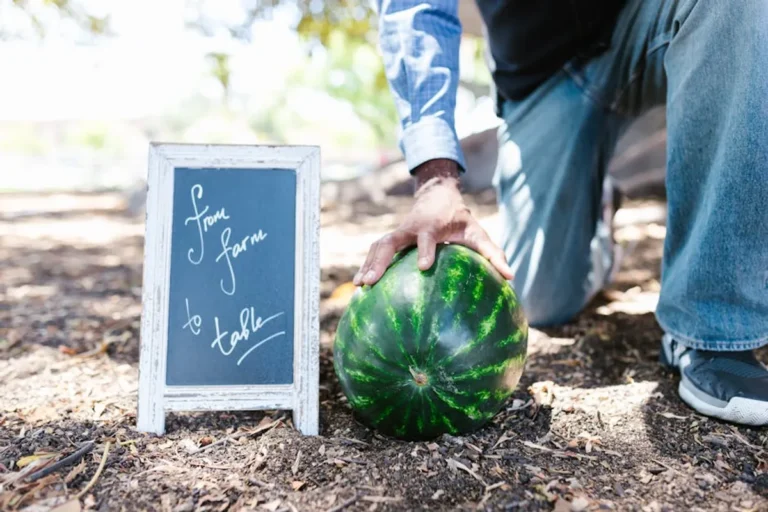
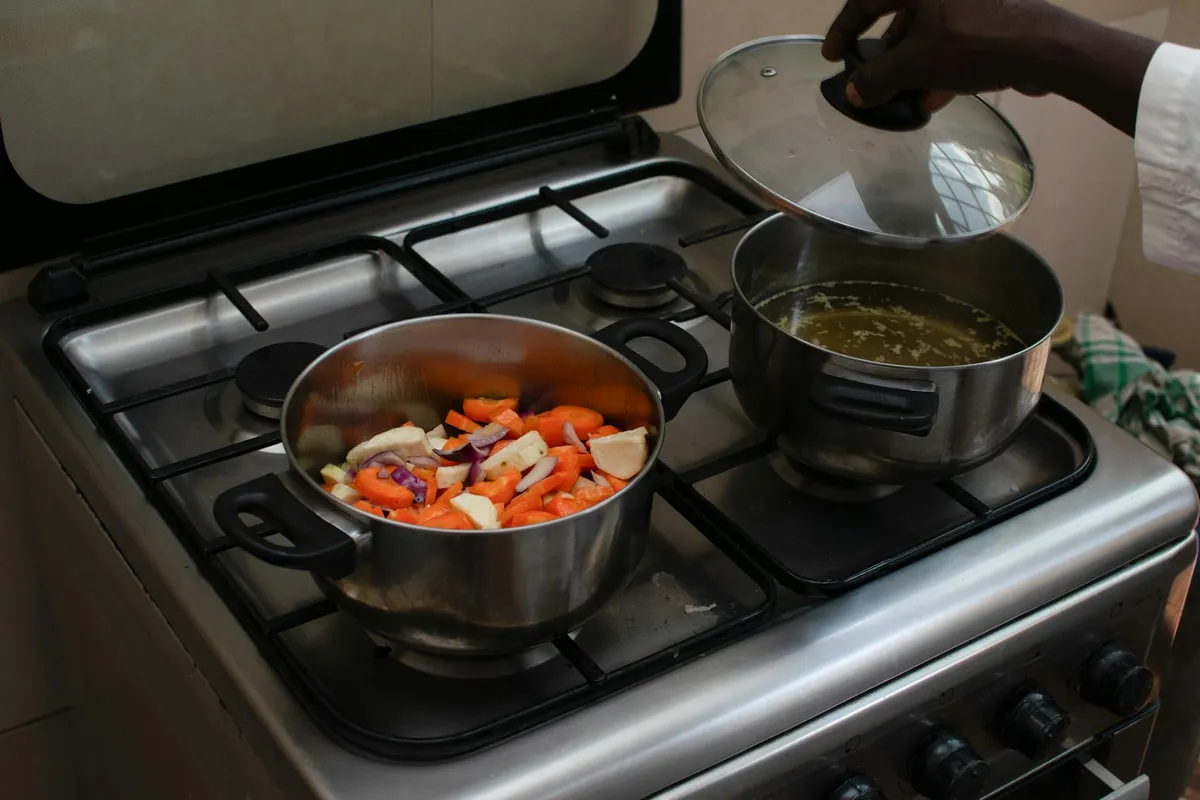
The co-op carries ingredients I'd never bought from supermarket shelves. Many of them I didn't know existed. Some I'd heard of but never tried. Each represents a specific moment of "what is this and how do I cook it?"
Here are seven recipes that came from co-op ingredients new to me. Each has become regular in my cooking. Each is achievable without specialized skill.
1. Lentil and chard soup with preserved lemon
The chard from the co-op was the catalyst. The leaves are substantially more substantial than supermarket equivalents — bigger, more flavor, more substantial stems.
The recipe: Sauté onion and garlic. Add stock, lentils, chard stems chopped small. Simmer until lentils are nearly done. Add chard leaves, preserved lemon (also from co-op), salt. Serve with crusty bread.
What makes it work: The chard quality means the soup tastes like chard rather than like lentil soup with weak greens. The preserved lemon adds character that transforms basic lentil soup into something specific.
Time: 35 minutes. Cost: about £4 for substantial portion serving 4.
2. Roasted root vegetables with tahini sauce
The co-op carries root vegetables I'd never seen at supermarkets — specific parsnip varieties, salsify, Jerusalem artichokes, specific carrot varieties.
The recipe: Roast mixed root vegetables with olive oil and salt at 220°C until caramelized. Mix tahini, lemon juice, garlic, water, salt for sauce. Drizzle sauce over roasted vegetables. Top with herbs.
What makes it work: The variety of root vegetables produces substantially more interesting flavors than supermarket carrots and parsnips. The tahini sauce ties everything together.
Time: 50 minutes (mostly roasting). Cost: about £6 for substantial portion serving 4.
3. Quick-pickled vegetables with whole spices
The co-op bulk spices are substantially better than supermarket equivalents — fresher, more aromatic, available in quantities that support specific recipes.
The recipe: Combine vinegar, water, sugar, salt, mustard seeds, coriander seeds, dill seeds in pot. Bring to simmer. Pour over sliced vegetables (cucumbers, carrots, radishes). Refrigerate at least 4 hours.
What makes it work: The whole spices produce substantial flavor that ground spices don't. The bulk spice quality matters substantially.
Time: 15 minutes active plus 4+ hours refrigeration. Cost: about £3 for substantial jar.
4. Whole grain salad with halloumi and herbs
The co-op bulk grains include specific varieties (farro, freekeh, einkorn) that supermarkets rarely carry.
The recipe: Cook whole grain in stock until tender. Cool. Combine with diced cucumber, tomato, fresh herbs (parsley, mint, dill), olive oil, lemon juice, salt. Top with grilled halloumi cubes.
What makes it work: The whole grain produces substantial chewy texture that supermarket alternatives don't match. The fresh herbs in substantial quantities transform the salad.
Time: 35 minutes. Cost: about £8 for substantial portion serving 4.
5. Beans and greens with smoked paprika
The co-op bulk beans include specific heritage varieties (specific cannellini, specific cranberry beans, specific borlotti) that are substantially better than canned alternatives.
The recipe: Soak beans overnight. Cook with bay leaf, garlic, olive oil. When tender, add greens (spinach, chard, or kale) until wilted. Stir in smoked paprika, salt, lemon juice. Serve with crusty bread.
What makes it work: The bean quality is dramatically better than canned. The cooking liquid becomes substantial broth. Smoked paprika adds character that transforms simple beans.
Time: 1.5 hours mostly unattended. Cost: about £5 for substantial portion serving 4.
6. Roasted squash with browned butter and sage
The co-op carries specific squash varieties (Crown Prince, Marina di Chioggia, Delicata, etc.) that supermarkets rarely have.
The recipe: Roast squash chunks with olive oil and salt at 200°C until caramelized. Brown butter in skillet with sage leaves until fragrant. Drizzle browned butter and sage over squash.
What makes it work: The squash variety quality produces substantial flavor that butternut alone doesn't match. The browned butter is foundational technique that transforms simple roasted squash.
Time: 50 minutes. Cost: about £4 for substantial portion serving 4.
7. Yogurt sauce with fresh herbs (multiple variations)
The co-op yogurt is substantially different from supermarket yogurt — thicker, more flavor, made by specific producers.
The recipe: Combine thick yogurt with chopped fresh herbs (mint, parsley, dill, or combination), garlic, lemon juice, salt. Adjust to taste.
What makes it work: The yogurt quality matters substantially. The sauce works as accompaniment to grilled meats, roasted vegetables, grilled fish, or as dip with bread.
Time: 5 minutes. Cost: about £2 for substantial sauce.
What these recipes have in common
Patterns across the recipes:
Each uses specific ingredients that supermarket shopping wouldn't have provided.
Each is achievable for home cooks without specialized skill.
Each takes reasonable time (most under an hour).
Each produces substantial portions at reasonable cost.
Each has multiple variations possible based on what's seasonal and available.
The pattern is "specific quality ingredients used simply" rather than complex techniques masking ingredient quality.
What changed about my cooking
The co-op ingredients have changed cooking patterns:
I cook from ingredients to recipes more than from recipes to ingredients. Available ingredients drive what I cook.
I rely more on fundamental techniques (roasting, sautéing, simmering) than on specific recipes.
I use herbs and spices more substantially. The quality differential matters substantially.
I cook seasonally rather than year-round consistency.
I waste less because seasonal ingredients have specific peak periods.
The cooking shift is substantial across many dimensions.
Ingredients I never knew about
Specific ingredients I now use regularly that I'd never bought before:
Preserved lemons. Substantial flavor contribution to many dishes.
Specific whole grains (farro, freekeh, einkorn). Substantial texture and flavor differences.
Specific squash varieties. Substantially better than commodity butternut.
Specific bean varieties. Cooked from dry, much better than canned.
Specific cheese varieties. Discussed elsewhere.
Specific bulk spices. Quality difference is substantial.
Specific yogurts. Substantially different from supermarket.
Each opens up specific cooking possibilities.
What I cook less now
For balance, things I cook less:
Pre-packaged meal-kit-style recipes. The ingredients and approaches don't match how I shop now.
Recipes designed around specific brand items. The brand items often aren't at the co-op.
Out-of-season produce dishes. The supermarket year-round availability had hidden seasonality from me.
Heavy meat-centric recipes. Quality vegetables make substantial vegetable-focused meals more satisfying.
Specific convenience foods. The convenience-quality tradeoff matters more now.
The cooking shifts have produced specific things I no longer make and specific things I make instead.
The cost-quality cooking math
Cooking economics through co-op ingredients:
Per-serving costs are similar to supermarket cooking when using bulk staples (beans, grains).
Per-serving costs are higher when using specialty items (specific cheeses, specific charcuterie).
The total cost-per-meal balance works out similar to supermarket cooking despite higher per-unit costs of specific items.
Quality is substantially better.
The math is reasonable for people with food budget flexibility.
Cooking learning that took time
Specific things that took time to learn:
How to cook dry beans well (timing, salt, soaking matter substantially).
How to use whole grains (each variety has specific characteristics).
How to balance herbs and spices for character without overwhelming dishes.
How to use seasonal vegetables at peak rather than worrying about yearround availability.
How to combine simple techniques effectively.
The learning was incremental rather than dramatic. Each experience built on previous ones.
What I'd tell other co-op cooks
For people cooking from co-op ingredients:
Start with quality ingredients used simply. Complex recipes can mask quality ingredients. Simple recipes let quality show.
Learn fundamental techniques. Roasting, sautéing, simmering, basic baking. These foundations produce substantial range.
Use herbs and spices substantially. The flavor matters for transforming simple ingredients into compelling dishes.
Cook seasonally. The available produce changes substantially across seasons. Adapt rather than fighting seasonality.
Take notes. Successful improvisation should be remembered. Notes turn one good meal into recipe.
Don't copy recipes exactly. Adapt to what you have and what you like. The rigid recipe approach limits possibilities.
The advice produces substantial cooking development from co-op ingredients.
The cooking community dimension
The co-op cooking community matters:
Other co-op shoppers share specific recipes and tips.
The cheesemonger recommends specific applications.
The produce stall workers know what specific things are good for.
Co-op cooking events produce specific learning.
The community dimension extends what I can learn beyond what I figure out alone.
What I want to learn next
Cooking I'm planning to develop:
Bread baking with specific flours from the co-op.
Fermentation projects (kimchi, sauerkraut, pickles).
Specific traditional regional dishes that use co-op-available ingredients.
More substantial preserving for seasonal abundance.
Specific dishes from cuisines I've had less exposure to.
The cooking development continues. The co-op opens specific possibilities I want to pursue.
The honest summary
Seven recipes from co-op ingredients new to me have become regular cooking. Each came from a specific ingredient I encountered through co-op shopping. Each represents specific cooking learning.
For people who haven't cooked from quality ingredients used simply, the discovery is substantial. The cooking world expands substantially.
For people considering co-op shopping for cooking reasons, the cooking benefits are real. Better ingredients used appropriately produce substantially better food.
For broader cooking culture, the "ingredients to recipes" approach (rather than "recipes requiring specific ingredients") produces substantially better cooking experience.
The cooking development continues. The co-op continues to introduce ingredients I haven't used. Each new ingredient opens specific possibilities.
For people interested in better cooking, find substantial ingredient sources and cook simply from what's available. The cooking will develop substantially through this approach.
Try the recipes. Adapt them to what you have. Build your own ingredient-driven cooking. The development pays back across years of subsequent cooking.