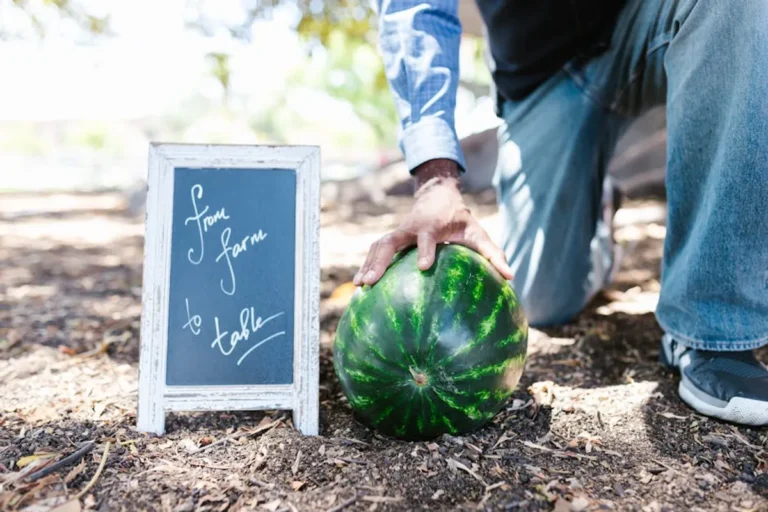

For food-related businesses, from restaurants and retailers to content creators and ingredient suppliers, understanding seasonal eating trends is not merely a culinary curiosity but a critical commercial imperative. Consumer demand for fresh, local, and sustainably sourced ingredients fluctuates significantly throughout the year, driven by availability, cultural events, and evolving health consciousness. Businesses that effectively anticipate and integrate these seasonal shifts into their operations—whether through menu development, marketing campaigns, or inventory management—gain a competitive edge, fostering deeper customer engagement and optimizing profitability. Ignoring these patterns risks misaligned inventory, missed marketing opportunities, and a disconnect with current consumer preferences.
Key Seasonal Eating Trends Driving Consumer Behavior
The landscape of food consumption is dynamic, with specific patterns emerging or intensifying with each season. These are not merely fads but reflections of deeper consumer values around health, sustainability, and authenticity.
Hyper-Local Sourcing and Provenance
Consumers increasingly prioritize knowing the origin of their food, leading to a surge in demand for hyper-local ingredients. This trend is amplified seasonally, as the availability of produce from nearby farms becomes a direct indicator of freshness and quality. Restaurants highlighting specific farm partners on their menus, or retailers creating dedicated 'local harvest' sections, tap into this desire for transparency and community support. The commercial benefit lies in reduced transportation costs, enhanced brand storytelling, and a stronger connection with regional food systems.
Ingredient-Specific Seasonal Peaks
Certain ingredients become synonymous with particular seasons, driving concentrated periods of consumer interest and demand. Examples include:
- Spring: Asparagus, peas, strawberries, ramps. These signal renewal and lighter fare.
- Summer: Berries, tomatoes, corn, peaches. Associated with outdoor dining, grilling, and vibrant flavors.
- Autumn: Pumpkins, apples, root vegetables, squash. Evokes comfort, harvest festivals, and warming dishes.
- Winter: Citrus fruits, brassicas (kale, Brussels sprouts), pomegranates. Linked to immune support and hearty meals.
Businesses aligning promotions and product launches with these ingredient peaks can capitalize on existing consumer excitement, leading to higher sales volumes and more effective marketing spend.
Sustainability and Waste Reduction
Seasonal eating inherently supports sustainability by minimizing the need for long-distance transportation and energy-intensive greenhouse cultivation. Consumers are increasingly aware of their food's environmental footprint, making seasonal choices a direct reflection of eco-conscious values. Businesses that communicate their commitment to seasonal sourcing as part of a broader sustainability strategy resonate strongly with this segment. This extends to utilizing 'ugly' produce or implementing nose-to-tail and root-to-stem cooking practices, which are often more feasible and cost-effective with seasonal, local supplies.
Health and Wellness Alignment
The perception that seasonal produce is fresher and more nutrient-dense drives significant consumer interest from a health perspective. For instance, winter citrus is often associated with vitamin C and immune support, while summer berries are lauded for antioxidants. Marketers and product developers can frame seasonal offerings around these perceived health benefits, connecting specific ingredients to wellness goals. This approach moves beyond generic health claims, grounding them in tangible, seasonal availability.
Experiential Dining and Home Cooking Focus
Seasonal trends influence both out-of-home and in-home food experiences. Restaurants can build entire tasting menus around a single seasonal ingredient or theme, offering a unique, time-limited experience that encourages repeat visits. For home cooks, the availability of fresh seasonal produce sparks interest in new recipes and cooking techniques. Content creators and food publishers can capitalize by developing seasonal recipe content, meal plans, and cooking guides that align with what consumers are seeing at their local markets, driving engagement and affiliate opportunities.
Pro Tip: Businesses must avoid generic "seasonal" claims without specific ingredient or provenance details. Consumers are increasingly discerning; transparency about where and when ingredients are sourced builds trust and validates premium pricing. Invest in direct relationships with local growers or transparent supply chain tracking to underpin your seasonal messaging with verifiable facts.
Commercial Integration of Seasonal Trends
Translating seasonal eating trends into actionable business strategies requires a multi-faceted approach across various operational areas.
Menu Development and Product Innovation
For Restaurants: Design rotating menus that highlight peak-season ingredients. This keeps offerings fresh for regulars and provides a hook for new customers. Consider limited-time offers (LTOs) built around specific seasonal produce, creating urgency and excitement.
For Food Manufacturers/Retailers: Develop new products or seasonal variations of existing ones. Think seasonal jams, limited-edition baked goods, or ready-to-eat meals featuring current harvest items. This drives impulse purchases and maintains product line relevance.
Marketing and Communication Strategies
Content Marketing: Create blog posts, social media content, and email newsletters that educate consumers about seasonal ingredients, their benefits, and how to use them. Share recipes, cooking tips, and stories about local producers.
Promotional Campaigns: Launch targeted campaigns that coincide with seasonal ingredient availability. Use visual merchandising in stores or high-quality photography online to showcase the freshness and vibrancy of seasonal produce. Emphasize the "limited-time" nature to encourage immediate action.
Supply Chain and Inventory Management
Supplier Relationships: Cultivate strong relationships with local farmers and suppliers. This ensures consistent access to quality seasonal ingredients and can lead to better pricing and more reliable deliveries.
Forecasting: Utilize historical sales data and current trend analysis to accurately forecast demand for seasonal items. This minimizes waste and ensures optimal stock levels, preventing both overstocking and missed sales opportunities.
Actionable Steps for Businesses
To effectively leverage seasonal eating trends, businesses should:
- Conduct Regular Market Research: Monitor consumer search trends, social media discussions, and competitor offerings to identify emerging seasonal preferences.
- Audit Current Offerings: Evaluate existing menus and product lines for opportunities to integrate more seasonal ingredients or develop new seasonal items.
- Optimize Supply Chains: Prioritize sourcing from local and regional producers where feasible, establishing transparent and reliable supply routes.
- Educate Staff: Ensure front-of-house staff, sales teams, and content creators are knowledgeable about seasonal ingredients and their stories to enhance customer interactions.
- Develop a Seasonal Content Calendar: Plan marketing and content initiatives well in advance to align with seasonal ingredient peaks and cultural events.
Frequently Asked Questions
How do seasonal eating trends impact food costs?
While sourcing out-of-season produce can be costly due to transportation and cultivation methods, focusing on in-season, local ingredients can often lead to more competitive pricing due to abundance and reduced supply chain complexities. Strategic purchasing and menu planning are key to managing costs effectively.
Can seasonal trends be applied to non-food businesses?
Absolutely. Businesses adjacent to the food industry, such as kitchenware retailers, garden centers, or even lifestyle brands, can align their marketing and product recommendations with seasonal eating. For example, promoting canning supplies in summer or slow cookers in winter.
How can small businesses compete with larger chains on seasonal offerings?
Small businesses often have an advantage in agility and authenticity. They can forge direct relationships with local farms, offer highly specific and unique seasonal items, and tell compelling stories about their sourcing, which larger chains may struggle to replicate at scale. Emphasize quality, provenance, and community connection.