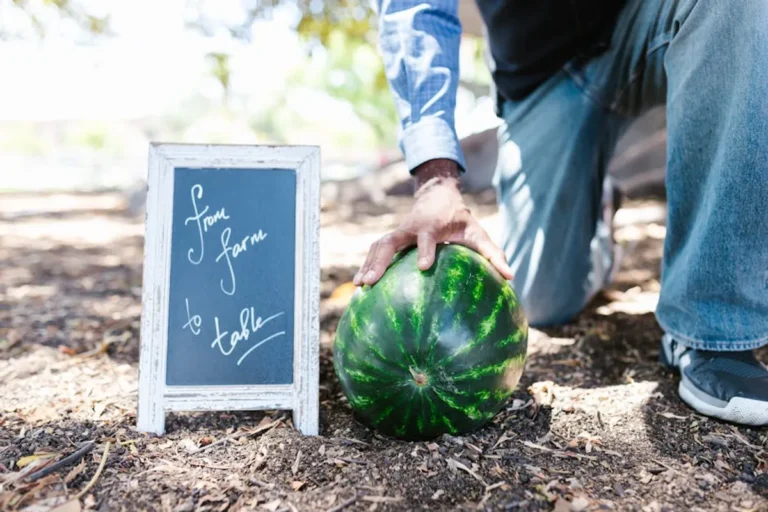

Understanding seasonal eating goes beyond simple culinary preference; it represents a strategic approach to food consumption that aligns with natural cycles, offering distinct advantages in flavor, nutritional value, and economic efficiency. For consumers, it means experiencing produce at its peak, often resulting in superior taste and texture. For businesses in the food sector, recognizing seasonal patterns informs sourcing decisions, menu development, and marketing strategies, ensuring fresh, high-quality offerings while potentially reducing costs and supporting local economies. This practice involves consuming fruits, vegetables, and other foods that are naturally harvested or available during specific times of the year in a particular region.
Spring: Emerging Flavors and Nutrient Revitalization
Spring marks a period of fresh growth, bringing forth produce characterized by tenderness, bright flavors, and often a higher water content. These early-season items are typically quick-growing and signal a shift from the heartier root vegetables of winter.
Asparagus: A Brief but Potent Season
Asparagus emerges in early spring, offering a distinct, slightly earthy flavor and a crisp-tender texture. Its season is notably short, typically lasting only a few weeks from late April to early June in many temperate regions. This brevity contributes to its appeal as a premium seasonal item. Nutritionally, asparagus is a good source of vitamins K, A, C, and folate, alongside dietary fiber. Its versatility allows for simple preparations like roasting or steaming, enhancing its natural taste.
Strawberries: Peak Sweetness and Versatility
While available year-round from various global sources, strawberries reach their peak sweetness and juiciness in late spring and early summer. Locally grown, in-season strawberries offer a more intense flavor and aroma compared to their out-of-season counterparts, which are often picked unripe for shipping. They are rich in vitamin C and antioxidants, making them a popular choice for desserts, jams, and fresh consumption. The demand for local, ripe strawberries creates significant opportunities for direct-to-consumer sales and local market engagement.
Summer: Abundance, Sweetness, and Hydration
Summer is characterized by an explosion of colorful, water-rich fruits and vegetables, many of which thrive in warm, sunny conditions. These items are often associated with refreshing, light meals and outdoor gatherings.
Tomatoes: Garden Freshness and Culinary Foundation
True garden tomatoes, harvested at the height of summer, bear little resemblance to their supermarket counterparts available in colder months. Seasonal tomatoes boast a complex balance of sweetness and acidity, with a juicy, tender flesh. Varieties like heirloom tomatoes offer a spectrum of colors and unique flavor profiles. They are an excellent source of lycopene, an antioxidant, and vitamins C and K. Their peak availability drives demand for fresh salsas, salads, and light sauces, serving as a cornerstone for summer menus.
Sweet Corn: A Fleeting Summer Delight
Sweet corn is a quintessential summer crop, prized for its natural sugars and crisp kernels. Its flavor is best enjoyed immediately after harvest, as the sugars begin to convert to starch once picked. This short shelf life emphasizes the value of local sourcing during its peak season from July to September. Corn provides dietary fiber and B vitamins. Its popularity makes it a staple at summer barbecues and farmers' markets, often sold directly from the field.
Autumn: Heartiness, Earthiness, and Storage CropsAutumn brings a transition to cooler weather, and with it, a harvest of heartier vegetables and fruits designed for longer storage. These foods often feature deeper, earthier flavors and are suitable for roasting, baking, and comforting dishes.
Apples: Diverse Varieties and Extended Availability
Autumn is prime apple season, with a vast array of varieties ripening from late summer through fall. Each variety offers distinct characteristics—from crisp and tart to soft and sweet—making them suitable for different culinary applications, from fresh eating to baking and cider production. Apples are rich in fiber and vitamin C. Their robust nature means they can be stored for extended periods, making them a commercially viable crop throughout much of the colder months, especially for local producers with proper storage facilities.
Winter Squash: Versatility and Nutrient Density
Varieties like butternut, acorn, and spaghetti squash are harvested in autumn and are renowned for their long shelf life, often lasting well into winter. They possess a dense, slightly sweet flesh and are packed with vitamins A and C, and dietary fiber. Their versatility allows for use in soups, stews, roasted dishes, and even desserts. The ability to store squash for months makes it a valuable commodity for food businesses looking to offer seasonal produce during less abundant times.
Winter: Resilience, Citrus, and Root Vegetables
Winter produce focuses on items that can withstand colder temperatures, are harvested before the deep freeze, or thrive in specific winter climates. Citrus fruits, hardy greens, and root vegetables dominate this season.
Citrus Fruits: Brightness in Colder Months
While many crops lie dormant, citrus fruits like oranges, grapefruits, tangerines, and lemons reach their peak in winter. These fruits, primarily grown in warmer regions, provide a vital source of vitamin C and a burst of bright, acidic flavor during colder, darker months. Their availability offers a refreshing contrast to the heavier foods often consumed in winter. For retailers, citrus provides a consistent, high-demand item throughout the winter season.
Root Vegetables: Sustenance and Culinary Depth
Carrots, potatoes, parsnips, and beets are harvested in late autumn and stored through winter, providing essential nutrients and bulk. These vegetables are rich in fiber, vitamins, and minerals, offering a foundation for hearty, warming meals. Their inherent storability makes them economically efficient for both consumers and food service, as they remain available and affordable when other fresh produce is scarce. Their earthy flavors deepen through cooking, making them ideal for roasting, mashing, and stewing.
Strategic Advantages of Embracing Seasonal Eating
Adopting a seasonal eating approach offers multiple benefits that resonate with contemporary consumer values and business objectives. For consumers, it translates to superior taste, enhanced nutritional content due to shorter transport times and harvesting at peak ripeness, and often lower costs as local abundance reduces supply chain expenses. Environmentally, seasonal eating supports local agriculture, reduces the carbon footprint associated with long-distance transportation, and promotes biodiversity by encouraging the cultivation of varied, season-appropriate crops.
For businesses, aligning with seasonal cycles can optimize inventory, reduce waste, and provide a compelling narrative for marketing efforts. Highlighting seasonal ingredients on menus or in product descriptions can attract customers seeking freshness, quality, and support for local producers. This practice also fosters stronger relationships within the local food ecosystem, from farmers to distributors, contributing to a more resilient and sustainable food supply chain.
Frequently Asked Questions
What are the primary benefits of seasonal eating?
The main benefits include improved flavor and nutritional value from produce harvested at its peak, often lower costs due to local abundance, reduced environmental impact from shorter transport distances, and support for local agricultural economies.How can I identify truly seasonal produce?
Look for produce at local farmers' markets, check local harvest calendars, and observe prices—items in season are typically more abundant and thus more affordably priced. Also, consider the origin labels on produce in grocery stores.Does eating seasonally limit my dietary options?
While it encourages focusing on what's locally available, seasonal eating can expand culinary creativity by prompting exploration of different cooking methods and recipes for specific seasonal ingredients. It shifts focus from year-round availability to celebrating the unique offerings of each season.Is seasonal eating always more expensive?
No, seasonal eating is often more cost-effective. When produce is in season, it is typically more abundant, leading to lower prices from local growers. Out-of-season produce often incurs higher costs due to transportation, storage, and import duties.