
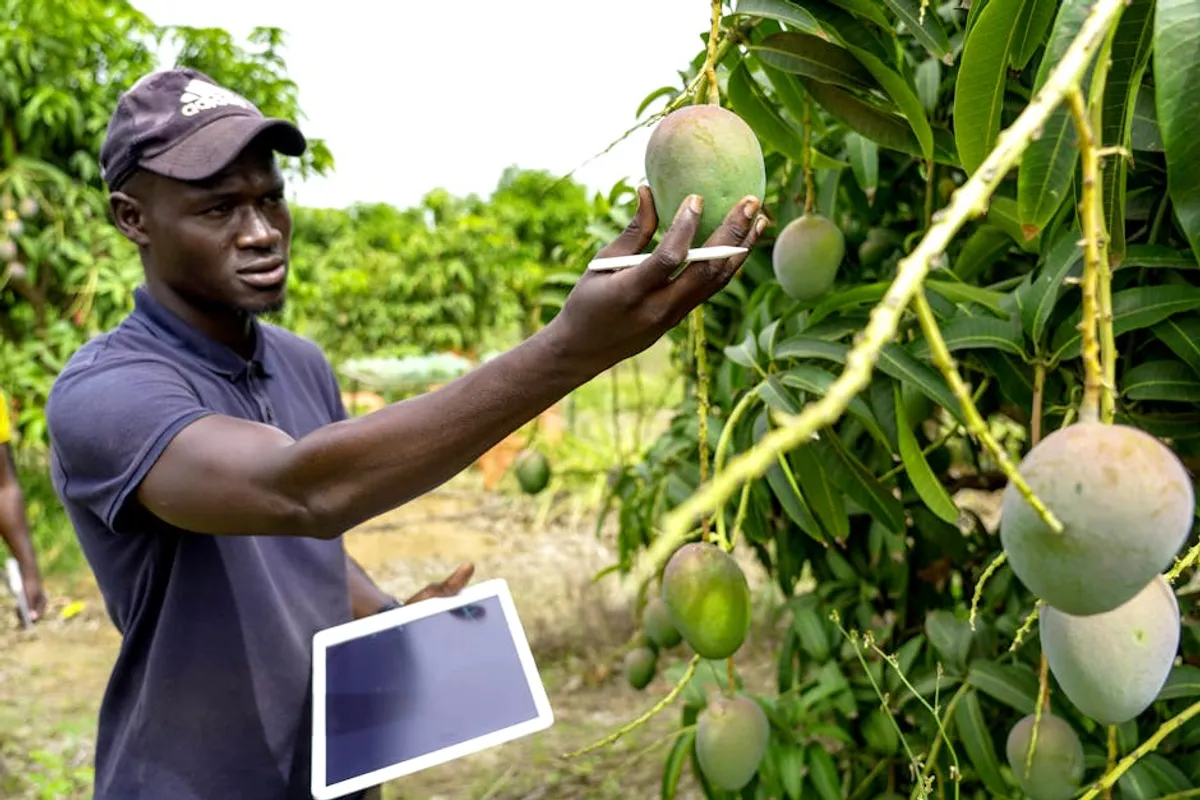
Choosing between organic and conventionally produced food involves weighing various factors beyond just price. This comparison guide examines the core benefits often associated with organic foods, providing a framework to understand their impact on health, the environment, and overall food quality. Consumers often seek organic options based on perceived advantages in nutrition, safety, and ecological sustainability, but the extent and consistency of these benefits warrant a detailed look. This comparison guide examines the core benefits often associated with organic foods, providing a framework to understand their impact on health, the environment, and overall food quality, and we'll take a detailed look at their benefits.
Nutritional Value and Health Impacts
The nutritional profile of organic versus conventional foods is a frequent point of discussion. While direct, universal superiority in macronutrients (carbohydrates, proteins, fats) is not consistently demonstrated, differences often emerge in other areas.
Micronutrient Content
Research indicates that organic produce can sometimes contain higher levels of certain vitamins, minerals, and antioxidants. For instance, studies have shown elevated concentrations of vitamin C, iron, magnesium, and phosphorus in organically grown crops. This is often attributed to differences in farming practices, such as slower growth rates and specific soil management techniques that encourage greater nutrient uptake by plants. For animal products, organic milk and meat may exhibit more favorable fatty acid profiles, including higher levels of omega-3 fatty acids, due to pasture-based diets of the animals.
Pesticide Residue and Chemical Exposure
One of the most consistently cited benefits of organic food is the significantly reduced exposure to synthetic pesticide residues. Organic farming prohibits the use of synthetic pesticides, herbicides, and fungicides. While conventional produce is generally safe within regulatory limits, consuming organic options demonstrably lowers the dietary intake of these chemicals. This reduction is particularly relevant for vulnerable populations, such as children, whose developing systems may be more sensitive to chemical exposures. This reduction is particularly relevant for vulnerable populations, such as children, whose developing systems may be more sensitive to chemical exposures, and beginners often seek organic options for this reason.
Antibiotic Resistance and Hormones
In organic animal agriculture, the routine use of antibiotics for growth promotion or disease prevention is prohibited. This practice aims to reduce the risk of antibiotic-resistant bacteria, a global public health concern. Additionally, organic meat and dairy products come from animals not treated with synthetic growth hormones, which some consumers prefer to avoid based on personal health considerations.
Environmental Footprint
Organic agriculture is fundamentally designed around ecological principles, aiming to work in harmony with natural systems. This approach yields distinct environmental benefits compared to conventional industrial farming.
Soil Health and Biodiversity
Organic farming practices, such as crop rotation, cover cropping, composting, and reduced tillage, are central to building and maintaining healthy soil structure. Healthy soil is more resilient to erosion, retains water more effectively, and supports a diverse microbiome. This focus on soil fertility naturally enhances biodiversity both above and below ground, providing habitats for beneficial insects, pollinators, and microorganisms crucial for ecosystem balance.
Water Quality and Conservation
By avoiding synthetic pesticides and fertilizers, organic farms significantly reduce the runoff of these chemicals into waterways. This protects water quality in rivers, lakes, and oceans, safeguarding aquatic ecosystems and drinking water sources. Improved soil organic matter in organic systems also enhances water infiltration and retention, potentially reducing irrigation needs and conserving water resources.
Energy Consumption and Carbon Emissions
Organic farming tends to be less energy-intensive than conventional methods, primarily due to the avoidance of synthetic nitrogen fertilizers, which require substantial fossil fuel inputs for their production. While the exact carbon footprint varies greatly by farm and product, organic systems often contribute to lower greenhouse gas emissions through practices that sequester carbon in the soil, such as composting and cover cropping.
Taste and Quality Perception
Subjective factors like taste and perceived quality also play a role in consumer choices regarding organic food.
Flavor Profiles
Many consumers report that organic fruits, vegetables, and animal products have a more distinct, richer, or "natural" flavor compared to their conventional counterparts. While taste is highly individual, this perception often stems from factors like heirloom varieties, slower growth rates, and nutrient-dense soils that can contribute to more complex flavor development. The absence of certain chemical residues may also allow the natural flavors to emerge more prominently.
Freshness and Shelf Life
Organic produce, particularly when sourced locally, is often perceived as fresher. This is not inherently due to being organic, but rather often a result of shorter supply chains and less extensive processing or preservation methods. While some studies suggest organic produce might have a slightly shorter shelf life due to less post-harvest chemical treatment, others indicate that its robust cellular structure from healthy growth conditions can contribute to good keeping quality.
Economic Considerations
The cost difference between organic and conventional food is a primary decision point for many households.
Price Premiums and Value Perception
Organic foods typically carry a higher price tag. This premium reflects the increased labor, stricter certification requirements, smaller scale of production, and often lower yields associated with organic farming methods. For consumers, the value proposition lies in weighing these higher costs against the perceived benefits in health, environmental impact, and quality. The price difference can also be influenced by seasonal availability and regional production costs.
Local Sourcing and Community Impact
Many organic farms operate on a smaller scale and prioritize local distribution. Choosing organic, especially from local sources, can support regional economies, foster community resilience, and reduce the environmental impact associated with long-distance transportation. This aspect adds a layer of social and economic benefit beyond the direct food product itself.
Pro Tip: When evaluating organic food benefits, always consider the certification standards. "Organic" labels vary by country and region, each with specific requirements for production, processing, and handling. Understanding these standards helps ensure the product aligns with your expectations for environmental stewardship and absence of synthetic inputs.
Making Informed Choices
The decision to purchase organic food involves balancing personal priorities with available resources. The benefits span health, environmental protection, and sensory experience, but often come with a higher financial cost. Consumers can prioritize organic purchases in areas where the benefits are most pronounced or personally significant.
- Prioritize "Dirty Dozen" items: Focus organic purchases on fruits and vegetables known to have higher pesticide residues when conventionally grown.
- Consider animal products: Opt for organic meat, dairy, and eggs if reducing exposure to antibiotics and hormones is a key concern.
- Support local organic farms: This often ensures freshness, reduces transportation impact, and strengthens local food systems.
- Balance with budget: Combine organic purchases with conventional options, focusing on seasonal availability and sales to manage costs effectively.
Ultimately, a well-rounded diet rich in diverse whole foods, whether organic or conventional, remains the cornerstone of good nutrition. The organic choice adds layers of environmental stewardship and reduced chemical exposure, contributing to a broader definition of food quality.
Frequently Asked Questions
Is organic food always more nutritious than conventional food?
While organic foods often show higher levels of certain micronutrients and antioxidants, and more favorable fatty acid profiles in animal products, the overall nutritional difference compared to conventional foods is not always universally significant across all food types or consistently demonstrated in every study. A varied diet of whole foods, regardless of organic status, is crucial for nutrition.
Does organic farming truly benefit the environment?
Yes, organic farming practices generally lead to significant environmental benefits. These include improved soil health, increased biodiversity, reduced water pollution from synthetic pesticides and fertilizers, and often lower energy consumption and greenhouse gas emissions compared to conventional intensive agriculture.
Is the higher cost of organic food justified?
The higher cost of organic food reflects the increased labor, stricter regulations, certification processes, and often lower yields associated with organic farming. For many consumers, this premium is justified by the perceived benefits in reduced pesticide exposure, improved animal welfare, and positive environmental impact.
How can I incorporate organic food into my diet without breaking the bank?
To manage costs, prioritize buying organic for items on the "Dirty Dozen" list (those with high pesticide residues), purchase organic foods when they are in season or on sale, buy in bulk for pantry staples, and explore local farmers' markets where prices can sometimes be more competitive than supermarkets.