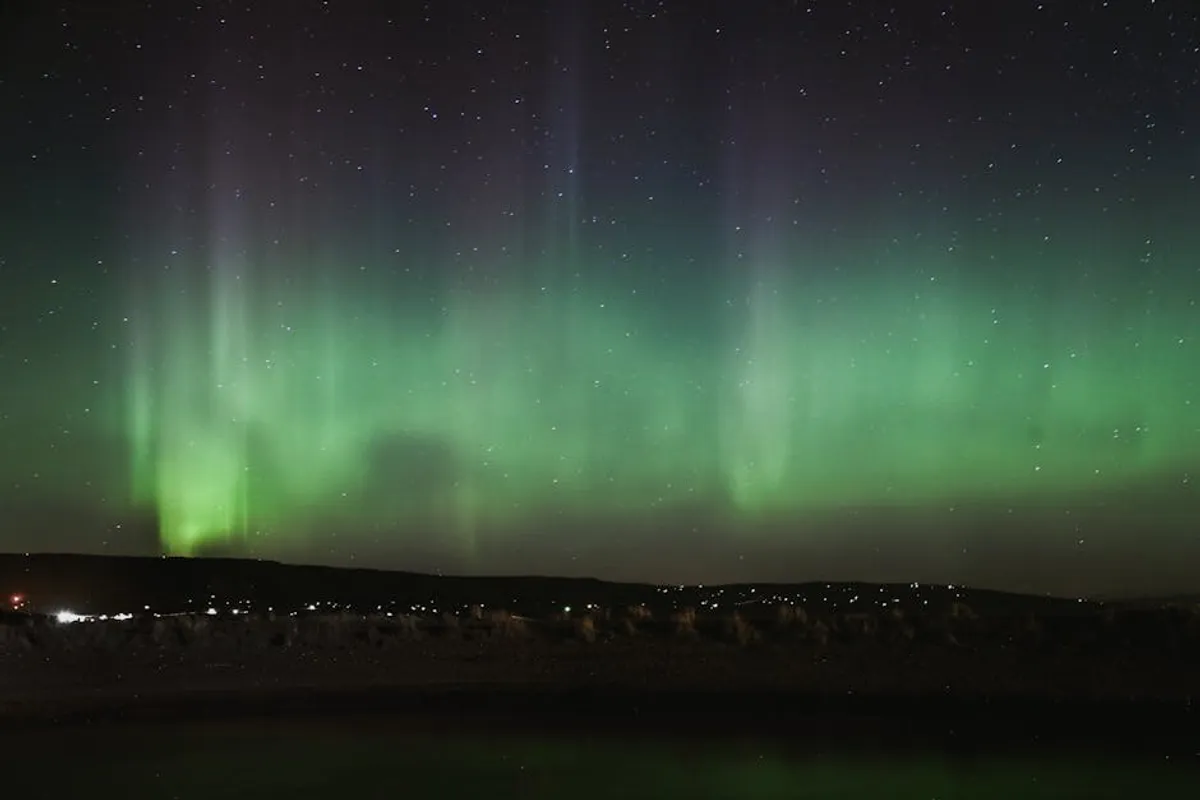
Planning a trip to witness the Northern Lights, or Aurora Borealis, requires precise timing and location selection to maximize viewing potential. This guide details the geographical advantages and seasonal windows that define successful aurora chasing, moving beyond general advice to specific, actionable recommendations for travelers seeking this natural phenomenon.
The Aurora Borealis occurs when energized particles from the sun collide with atoms in Earth's upper atmosphere, causing them to emit light. This spectacle is primarily visible in the auroral oval, a band circling the magnetic poles. Key factors for visibility include dark skies, minimal light pollution, a high geomagnetic latitude, and clear weather conditions. Understanding these elements is crucial for selecting an optimal destination and travel period.
Prime Locations for Northern Lights Viewing
Norway: Fjords and Arctic Islands
Norway offers diverse viewing opportunities across its extensive coastline and northern territories. The country's high latitude positions much of it within the auroral oval. Tromsø, often called the "Gateway to the Arctic," provides consistent aurora displays from September to April, benefiting from its accessible airport and organized tours. Further north, the Lofoten Islands combine dramatic scenery with dark skies, though weather can be more variable. The archipelago of Svalbard, located even further north, offers exceptional darkness and a longer viewing season, sometimes extending into late August and early May, due to its extreme latitude. However, accessibility and harsh conditions require more robust planning.
Best for: Combining aurora viewing with dramatic coastal landscapes, fjord cruises, and Arctic wildlife experiences.
Iceland: Accessible Wilderness
Iceland's unique volcanic landscapes provide a striking backdrop for the Northern Lights. Its relatively small size and extensive network of accessible rural areas mean light pollution can be avoided without traveling vast distances. The entire country lies within the auroral zone, making locations like the Snæfellsnes Peninsula, Jökulsárlón Glacier Lagoon, and the remote Westfjords prime spots. Winter months (September to April) offer the longest periods of darkness. Iceland's infrastructure supports self-drive tours, allowing flexibility in chasing clear skies. The capital, Reykjavík, also experiences aurora activity, though urban light pollution necessitates moving to its outskirts for optimal viewing.
Best for: Self-guided tours, dramatic and varied landscapes, and combining aurora hunting with geothermal experiences.
Finland: Lapland's Winter Wonderland
Finnish Lapland is synonymous with winter activities and reliable aurora sightings. Areas like Rovaniemi, Levi, and Saariselkä are well-equipped for tourism, offering specialized aurora tours including snowmobile safaris and reindeer sleigh rides. The region's dense forests and numerous lakes contribute to minimal light pollution. In Inari and Kilpisjärvi, located further north, the chances of seeing the lights are among the highest in Europe, with displays visible on approximately 200 nights a year. The winter season, from late August to April, is the prime viewing period, with peak darkness from December to February.
Best for: Immersive winter experiences, family-friendly activities, and staying in unique accommodations like glass igloos.
Sweden: Abisko's Blue Hole
Sweden's primary aurora destination is Abisko National Park, home to the Aurora Sky Station. This location is renowned for its "blue hole" phenomenon – a patch of sky over Lake Torneträsk that often remains clear even when surrounding areas are cloudy. This microclimate significantly increases viewing probabilities. Kiruna, a larger town nearby, also serves as a base for aurora tours. The season in northern Sweden runs from late September to late March. The region offers opportunities for ice hotel stays and Sámi cultural experiences.
Best for: High probability of clear skies due to unique microclimate, specialized aurora observatories, and unique cultural experiences.
Canada: Yukon and Northwest Territories
Canada's vast northern territories offer some of the most consistent and spectacular aurora displays in North America. Whitehorse in the Yukon and Yellowknife in the Northwest Territories are primary hubs. Yellowknife, in particular, is positioned directly under the auroral oval, boasting high visibility rates due to its flat terrain, minimal light pollution, and cold, dry climate that often results in clear skies. The viewing season typically extends from late August to mid-April. These regions provide a true wilderness experience, with opportunities for dog sledding, ice fishing, and exploring indigenous cultures.
Best for: Remote wilderness experiences, high consistency of aurora displays, and diverse winter activities.
United States: Alaskan Wilderness
Alaska provides the most accessible opportunity for U.S. residents to view the Northern Lights. Fairbanks, located in the interior of Alaska, is considered one of the best places globally, sitting directly under the auroral oval. Its distance from coastal weather systems often translates to clearer skies compared to other high-latitude locations. The viewing season runs from late August through April. Denali National Park and Preserve offers an unpolluted sky backdrop, though access in winter can be limited. Anchorage, while larger, requires travel away from city lights for optimal viewing.
Best for: North American accessibility, consistent aurora activity, and combining with other Alaskan wilderness adventures.
Optimal Timing for Your Aurora Chase
Seasonal Considerations: The Dark Months
The fundamental requirement for seeing the Northern Lights is darkness. This means the prime viewing season aligns with the longest nights in the northern hemisphere. Generally, late August or early September through April offers the best conditions. Within this window, the period from December to February provides the longest hours of darkness and often the coldest, clearest skies, but also the most extreme winter conditions. Shoulder seasons like September-October and March-April can offer milder weather and fewer crowds, though with slightly shorter dark periods.
Daily Timing: Midnight to Early Morning
While the aurora can appear at any time during the dark hours, it is most frequently observed between 10 PM and 2 AM local time. This period typically coincides with the peak of geomagnetic activity and when the Earth's rotation brings your location into the optimal position relative to the auroral oval. Patience is key; displays can be fleeting or last for hours, so being prepared for an extended wait is crucial.
Solar Activity and Weather Patterns
Aurora intensity is directly linked to solar activity. While long-term solar cycles exist, short-term predictions (24-72 hours) are more practical for travelers. Websites and apps dedicated to aurora forecasting provide KP-index ratings, indicating the geomagnetic activity level. A higher KP-index suggests a stronger, more widespread aurora. Crucially, clear skies are non-negotiable. Even a strong aurora will be invisible behind thick cloud cover. Prioritize locations known for stable weather patterns or those with microclimates that offer clearer skies.
Maximizing Your Viewing Experience
Successful aurora hunting is a blend of planning and adaptability. Beyond selecting the right place and time, several practical steps enhance your chances:
- Monitor forecasts: Use aurora forecast apps (e.g., My Aurora Forecast, Aurora Alerts) and local weather reports daily.
- Get away from light pollution: Even small towns emit light. Drive or walk several kilometers outside urban areas.
- Dress warmly: Temperatures in aurora zones are often well below freezing. Layered clothing, insulated boots, hats, and gloves are essential.
- Patience is critical: Auroras can be unpredictable. Be prepared to wait, sometimes for hours.
- Bring a good camera: A DSLR or mirrorless camera with a wide-angle lens and manual settings (high ISO, wide aperture, long exposure) is recommended for capturing the lights. A sturdy tripod is indispensable.
Pro Tip: Avoid full moon periods if possible. While a full moon can illuminate landscapes beautifully, its brightness can diminish the visibility of fainter aurora displays. Plan your trip around a new moon for the darkest possible skies and maximum contrast.
Planning Your Aurora Trip
A successful Northern Lights trip hinges on meticulous planning and a degree of flexibility. Focus on destinations with established aurora tourism infrastructure and a track record for clear skies. Book accommodations and tours well in advance, especially during peak season. Consider package tours that include aurora guides, as they often have local knowledge of optimal viewing spots and conditions. Prepare for cold weather, potential travel delays due to snow, and the possibility that, despite best efforts, the aurora may not appear. The journey itself, amidst stunning Arctic landscapes, remains a significant part of the experience.
Frequently Asked Questions
What is the best month to see the Northern Lights?
The months of February and March often combine good darkness with slightly milder temperatures and increased solar activity, making them popular choices.
How long do the Northern Lights last?
Displays can range from a few minutes to several hours, with intensity varying throughout. Some nights may feature multiple short appearances.
Do I need a special tour to see the Northern Lights?
While not strictly necessary, guided tours often provide transportation to optimal dark sky locations, local expertise on weather and aurora forecasts, and equipment like warm clothing or photography assistance, significantly enhancing the experience.
Can I see the Northern Lights with my naked eye?
Yes, strong aurora displays are clearly visible to the naked eye. Weaker displays may appear as a grayish or whitish glow, with cameras often capturing more vibrant colors.