
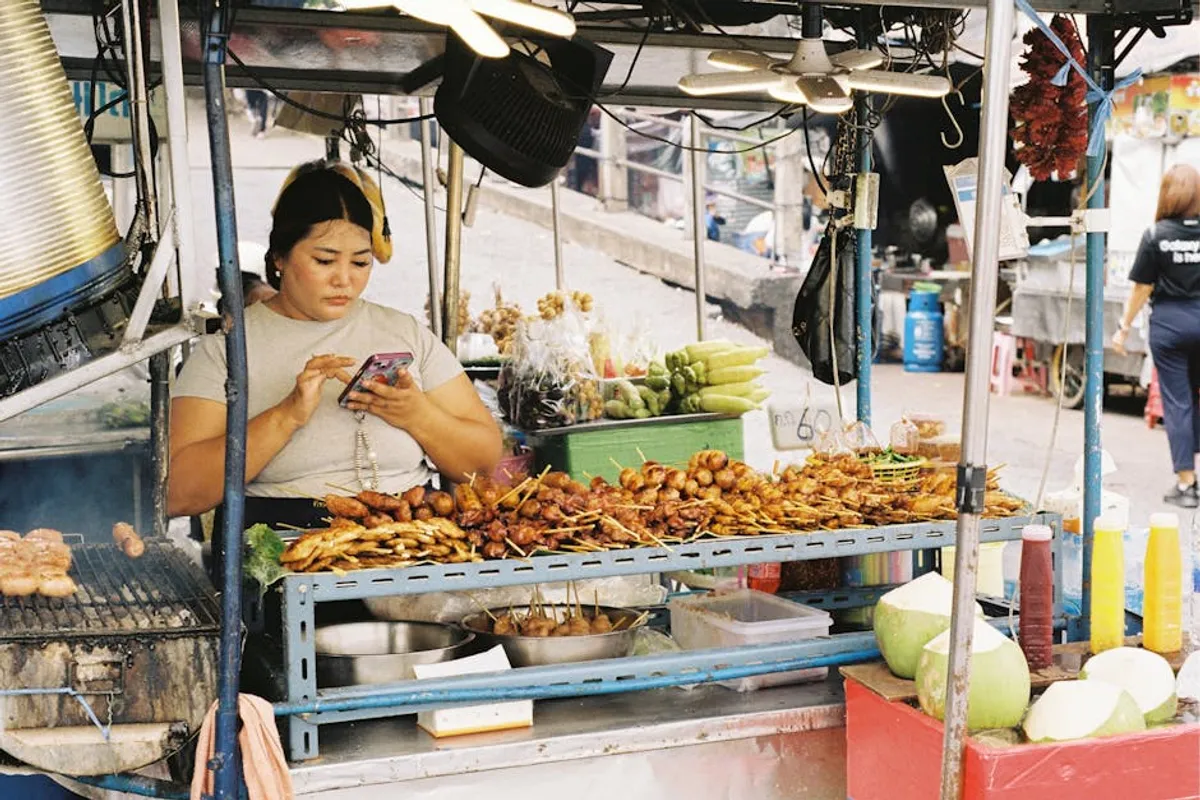
Locating truly authentic restaurants in an unfamiliar area, or even your own city, moves beyond simply checking star ratings on popular review platforms. The pursuit of genuine local cuisine requires a more nuanced approach, focusing on specific indicators that signal a deep connection to regional culinary traditions and community. This guide outlines a structured methodology for identifying eateries that offer an unadulterated taste of local culture, providing a distinct and valuable dining experience that differentiates itself from commercially optimized or tourist-centric establishments.
Defining Authenticity in Local Dining
Authenticity in a restaurant context refers to its adherence to traditional cooking methods, use of local ingredients, and reflection of regional cultural practices. It’s not merely about being "old" or "ethnic," but about embodying a specific culinary heritage. An authentic establishment prioritizes flavor profiles and dining customs that resonate with the local populace, often operating with less fanfare and a focus on consistent quality rather than broad appeal. Understanding this distinction is crucial for bypassing generic dining options.
Moving Beyond Algorithmic Recommendations
Mainstream review sites, while convenient, often aggregate opinions from a broad, sometimes uncritical, audience. This can dilute the signals for true authenticity, favoring establishments that excel at marketing or cater to general tastes rather than specific cultural nuances.
Deciphering Review Site Limitations
Many popular review platforms struggle to differentiate between a well-marketed, globally appealing restaurant and one deeply rooted in local culinary tradition. High ratings on these sites can sometimes indicate broad popularity or effective service rather than genuine authenticity. Look for patterns in reviews that specifically mention traditional dishes, local ingredients, or a non-touristy atmosphere, rather than just general praise for "great food" or "friendly staff."
Harnessing Hyperlocal Forums and Social Groups
Best for: Unfiltered local insights.
Engage with online communities specific to the area you're exploring. Local Facebook groups, neighborhood subreddits, or specialized food forums often host discussions where residents share their favorite hidden gems. These platforms provide a direct line to local palates and preferences, offering recommendations that are often too niche or unadvertised to appear prominently on broader review sites.
On-Site Indicators of Genuine Local Cuisine
Once you’ve narrowed down potential candidates, direct observation provides the most reliable cues for authenticity. These visual and experiential signals offer immediate insights into a restaurant's true character.
Menu Language and Specialization
An authentic local restaurant often features a menu that is either entirely in the local language, or provides translations that are secondary. A concise, specialized menu, focusing on a few core dishes prepared exceptionally well, frequently indicates a commitment to traditional recipes. Conversely, an extensive menu covering multiple cuisines or offering generic "international" options often suggests a broader, less authentic approach.
Observing the Clientele and Staff Interactions
Key indicator: Local patronage.
The demographic makeup of the diners is a strong indicator. If the majority of patrons are locals—identifiable by their language, demeanor, or simply by the absence of overt tourist behaviors—it suggests the restaurant holds appeal within the community. Observe interactions between staff and customers; a familiar, community-oriented rapport often signals a long-standing local establishment.
Pro Tip: Visit during off-peak hours, such as a late lunch or early dinner, to observe the natural rhythm of the restaurant and its typical clientele without the rush of peak tourist times. This allows for a clearer assessment of its local integration.
Interior Design and Atmosphere Cues
Authentic establishments often possess an unpretentious, functional aesthetic that prioritizes comfort and tradition over modern design trends. Look for decor that reflects local craftsmanship, historical elements, or a lived-in feel. The absence of overtly themed or deliberately "quaint" decorations can be a positive sign, indicating a focus on the food and experience rather than superficial appeal.
Strategic Online Search Techniques
Refining your online search queries can yield more relevant results, bypassing generic listings that dominate broad searches.
Keyword Refinement for Niche Discovery
Instead of searching "best restaurants [city]," use more specific, culturally relevant terms. For example:
- "[Traditional dish name] [city]"
- "Local eateries [neighborhood name]"
- "Family-run restaurant [type of cuisine] [city]"
- "Authentic [regional food type] [city]"
These targeted queries are more likely to surface establishments known for specific culinary traditions rather than general popularity.
Utilizing Local Blogger and Expert Guides
Seek out food blogs, culinary historians, or local journalists who specialize in the region’s food scene. Their recommendations are often based on deep knowledge and a commitment to preserving local culture, offering insights that commercial review sites cannot match. Look for articles that delve into the history of dishes, the sourcing of ingredients, or interviews with local chefs.
Engaging with Local Culture for Culinary Insights
Beyond direct restaurant searching, immersing yourself in local culture can naturally lead to authentic food discoveries.
Visit local markets, especially those focused on produce or artisanal goods. Vendors are often connected to the local food ecosystem and can provide invaluable recommendations for restaurants that use their ingredients or embody similar culinary philosophies. Attend local festivals or community events where food is a central component; these gatherings frequently showcase traditional dishes prepared by local cooks and small businesses.
Refining Your Local Food Quest
Finding truly authentic local restaurants requires a blend of digital research and on-the-ground observation. It's an iterative process of cross-referencing information from various sources—from hyper-local online communities to the visual cues within the restaurant itself. Prioritize establishments that demonstrate a clear commitment to traditional methods, local ingredients, and a genuine connection to their community. This approach not only leads to superior dining experiences but also supports the preservation of unique culinary heritages.
Frequently Asked Questions
How can I differentiate between an authentic local restaurant and a tourist trap?
Look for a menu primarily in the local language, a high percentage of local diners, and an unpretentious interior. Tourist traps often have multilingual menus with photos, cater to a predominantly tourist crowd, and feature overly themed decor.
Are highly-rated restaurants on major review sites always authentic?
Not necessarily. High ratings can reflect excellent service, broad appeal, or effective marketing, rather than genuine adherence to local culinary traditions. Use these sites as a starting point, but cross-reference with more specific local sources and on-site observations.
What role do price points play in indicating authenticity?
Authentic local restaurants often have moderate to lower price points, reflecting their focus on serving the local community rather than premium tourist markets. Exceptionally high prices in a non-fine-dining context might suggest a commercialized approach.
How quickly can I find authentic food in a new city?
Start by researching local food blogs and community forums before you arrive. Upon arrival, visit local markets and observe where locals congregate for meals. Engaging with hotel staff or shopkeepers can also yield immediate, reliable recommendations.