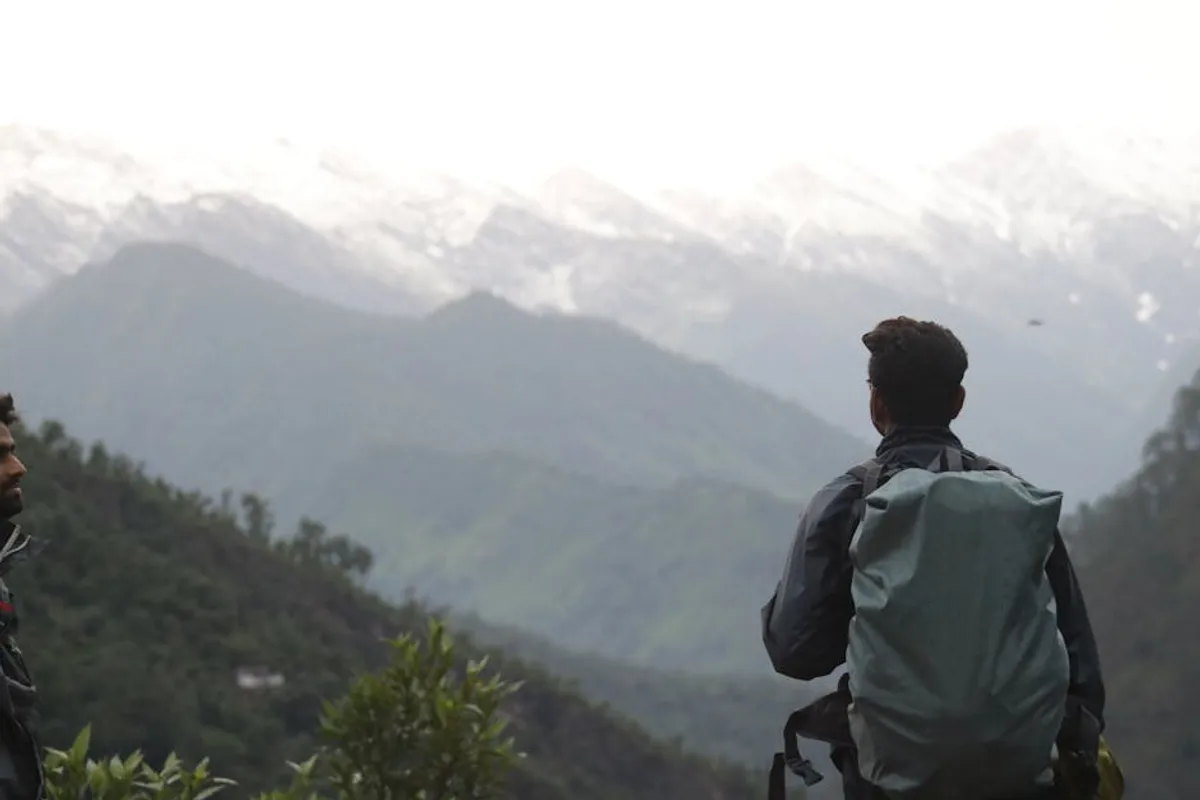
Jibhi, a secluded hamlet nestled within Himachal Pradesh's Tirthan Valley, offers a distinct alternative to conventional mountain destinations. This guide provides actionable insights for travelers prioritizing immersion in nature, local culture, and tranquil exploration over bustling tourist centers. We detail specific attractions, delineate accommodation types, and outline practical considerations for planning a visit focused on authentic experiences and the region's pristine natural landscape.
Key Places to Visit in Jibhi
Serolsar Lake
Located approximately 5 kilometers from Jalori Pass, Serolsar Lake is accessible via a moderate trek through dense oak and pine forests. The lake is considered sacred, with a small temple dedicated to Budhi Nagini (the Snake Goddess) situated beside it. The trek itself offers panoramic views of the surrounding Himalayan ranges, making the journey as significant as the destination. Visitors typically spend 1-2 hours at the lake, enjoying the serene atmosphere and the reflective waters.
Jalori Pass
Standing at an altitude of 10,800 feet, Jalori Pass serves as a gateway to several trekking routes and offers expansive views of the Dhauladhar and Kinnaur ranges. It is the highest motorable pass in the region, connecting the Kullu and Shimla districts. The pass itself is a destination for photography and short walks, but primarily functions as the starting point for treks to Serolsar Lake and Raghupur Fort. Expect cooler temperatures and strong winds, even during summer months.
Chehni Kothi
Chehni Kothi is a towering, traditional Himachali fortified temple-tower, approximately 1,500 feet high, constructed from alternating layers of wood and stone (Kath Kuni architecture). Located in the village of Chehni, it is accessible via a short hike from the main road near Jibhi. This structure, once a defensive tower, provides a tangible link to the region's historical architectural practices and offers insights into local building techniques. The interior is not always accessible, but the exterior provides significant photographic opportunities.
Raghupur Fort
The ruins of Raghupur Fort are situated atop a ridge, offering 360-degree views of the surrounding valleys and mountains. The trek to the fort begins near Jalori Pass and takes approximately 2-3 hours one way, passing through meadows and dense forests. While only remnants of the fort walls remain, the primary draw is the expansive green plateau and the uninterrupted vistas, particularly during sunrise or sunset. It serves as an ideal spot for a picnic and offers a sense of historical exploration.
Great Himalayan National Park (Buffer Zone)
Jibhi is located near the buffer zone of the Great Himalayan National Park (GHNP), a UNESCO World Heritage Site renowned for its biodiversity. While the core zone requires specific permits and multi-day treks, visitors to Jibhi can explore the peripheral areas and experience the rich flora and fauna. Opportunities include bird watching, short nature walks, and understanding the delicate ecosystem. Access points to the buffer zone are available from various villages in the Tirthan Valley.
Accommodation Options in Jibhi
Homestays
Homestays are prevalent in Jibhi, offering an authentic immersion into local Himachali life. These accommodations typically provide basic amenities, home-cooked meals featuring regional cuisine, and direct interaction with local families.
Best for: Travelers seeking cultural exchange, local insights, and a quiet, personalized experience.
Guesthouses
Jibhi's guesthouses offer a balance between local charm and slightly more standardized amenities than traditional homestays. They often feature private rooms with attached bathrooms, and some may include small cafes or dining areas. Pricing generally falls in a mid-range category.
Best for: Visitors desiring comfort and privacy while still experiencing the local environment.
Riverside Camps and Cottages
Several properties in Jibhi are located directly by the Tirthan River, offering cottages or permanent tented camps. These options capitalize on the serene river sounds and picturesque views. Amenities vary, but many include outdoor seating areas and direct river access.
Best for: Nature enthusiasts, those seeking a rustic yet comfortable stay, and travelers who appreciate natural soundscapes.
Pro Tip: Jibhi's accommodation capacity is limited, especially during peak seasons (May-June and October-November). Booking well in advance—at least 1-2 months for popular dates—is crucial to secure preferred lodging and avoid last-minute availability issues.
Exploring Jibhi and Beyond
Trekking and Hiking
Beyond the well-known routes to Serolsar Lake and Raghupur Fort, Jibhi offers numerous lesser-known trails through pine and deodar forests. These range from easy riverside walks to more challenging uphill climbs to remote villages. Local guides can be hired for personalized treks, offering insights into local flora, fauna, and folklore.
Angling and Fishing
The Tirthan River, which flows through Jibhi, is renowned for trout fishing. Anglers can obtain permits from the Fisheries Department in Kullu or from designated local offices. The season typically runs from March to October, with specific regulations on catch limits and fishing methods. Equipment can be rented in larger towns like Aut or Kullu, though some local operators may offer basic gear.
Local Culture and Cuisine
Jibhi's culinary scene revolves around simple, fresh, and locally sourced ingredients. Expect Himachali staples such as Siddu (steamed bread with filling), various lentil preparations, and fresh seasonal vegetables. Many homestays offer authentic home-cooked meals, providing a direct experience of local flavors. Engaging with villagers offers insights into traditional agricultural practices and daily life.
Day Trips to Nearby Valleys
Jibhi serves as an excellent base for exploring the wider Tirthan and Banjar Valleys. Popular day trips include:
- Tirthan Valley: Known for its pristine river, trout fishing, and entry points to the Great Himalayan National Park.
- Shoja: A small village above Jibhi, offering stunning views of the valley and dense deodar forests, particularly scenic during sunset.
- Gushaini: Another village in Tirthan Valley, known for its tranquil riverside spots and starting points for GHNP treks.
These excursions provide varied landscapes and activities, expanding the scope of a Jibhi visit.
Planning Your Jibhi Trip
Best Time to Visit
The ideal time to visit Jibhi depends on desired activities:
- Spring (March-May): Pleasant weather, blooming rhododendrons, suitable for trekking.
- Summer (June-September): Lush green landscapes, occasional monsoon showers, good for nature walks.
- Autumn (October-November): Clear skies, vibrant fall foliage, excellent for photography and trekking.
- Winter (December-February): Snowfall, cold temperatures, transforms Jibhi into a winter wonderland, but some roads may be inaccessible.
Getting There
Jibhi is accessible primarily by road. The nearest major town is Aut, located on the Mandi-Manali highway.
- By Air: The closest airport is Kullu-Manali Airport (Bhuntar), approximately 60 km away. From Bhuntar, taxis or local buses are available to Jibhi.
- By Train: The nearest major railway station is Ambala Cantt (UMB) or Chandigarh (CDG). From there, overnight buses or private taxis can be taken to Aut, followed by a local transfer to Jibhi.
- By Bus: Overnight Volvo buses run from Delhi to Aut. From Aut, local buses or shared taxis are available to Banjar, and then another local connection to Jibhi. Private taxis from Aut to Jibhi are also an option.
Essential Packing List
- Warm layers, even in summer, as evenings can be cool.
- Rain gear (jacket, umbrella) due to unpredictable mountain weather.
- Comfortable walking shoes or hiking boots for treks.
- Basic first-aid kit, including altitude sickness medication if sensitive.
- Portable power bank, as electricity can be intermittent.
- Reusable water bottle to minimize plastic waste.
- Sunscreen, sunglasses, and a hat for sun protection.
Frequently Asked Questions
Is Jibhi suitable for families with young children?
Yes, Jibhi can be suitable for families, especially those seeking a quiet retreat. Many homestays are family-friendly, and gentler walks along the river are accessible. However, some trekking routes may be too strenuous for very young children.
Are there ATMs or medical facilities in Jibhi?
Jibhi itself has limited facilities. The nearest ATMs and basic medical services are available in Banjar, which is about 8 km away. It is advisable to carry sufficient cash and any necessary personal medications.
What is the mobile network coverage like in Jibhi?
Mobile network coverage in Jibhi can be inconsistent, with BSNL and Jio generally offering better connectivity than other providers. Wi-Fi is available at some guesthouses and cafes, but it may not be high-speed.
Can I find vegetarian food easily in Jibhi?
Yes, vegetarian food is widely available and is the staple diet in most homestays and local eateries. Vegan options may require specific requests due to the prevalence of dairy in local cuisine.