
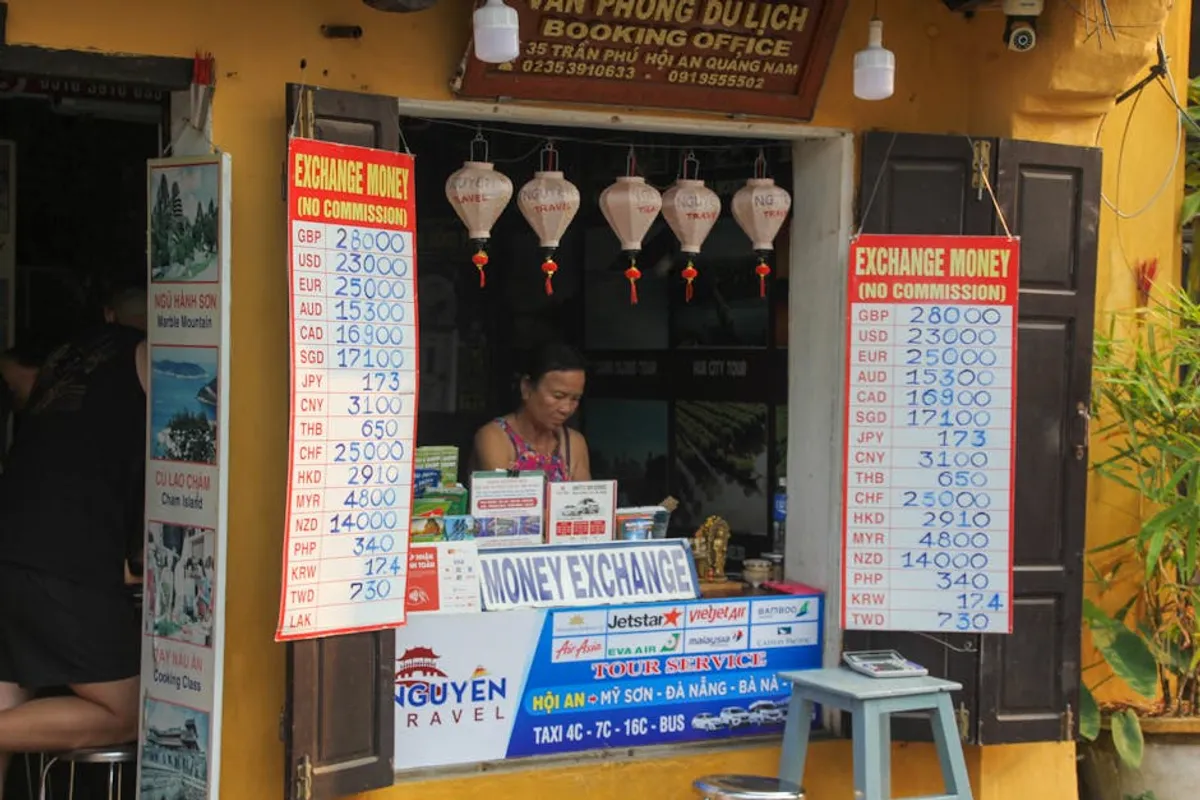
For destinations, attractions, and local businesses, attracting visitors directly correlates with online visibility. Local tourism pages are not just digital brochures; they are critical search assets designed to capture geographically specific intent and guide potential visitors from discovery to booking. Optimizing these pages for search engines ensures that when a user searches for "things to do in [city]" or "best [activity] near [landmark]," your offering appears prominently, directly influencing foot traffic, bookings, and revenue.
Understanding Local Search Intent for Tourism
Effective local tourism SEO begins with dissecting user intent. Travelers often initiate searches with a specific location in mind, but their queries evolve as they move through the planning funnel. Catering to these distinct phases is crucial for capturing a broad spectrum of potential visitors.
Informational Queries
Early-stage planning involves broad informational searches. Users might be exploring potential destinations or activities without immediate booking intent. Examples include "unique experiences in [region]," "family-friendly attractions [city]," or "history of [local landmark]." Pages targeting these queries should offer rich, detailed content that establishes authority and provides value, positioning the destination or business as an expert resource. This content often includes blog posts, guides, or comprehensive 'Things to Do' sections.
Navigational Queries
Once a user has identified a specific attraction or business, they often use navigational queries to find official websites, contact details, or directions. "Official website for [attraction name]," "phone number for [local museum]," or "[restaurant name] menu" are common examples. These searches demand clear, accurate, and easily accessible information directly on the target page, often supported by a well-optimized Google Business Profile.
Transactional Queries
The final stage of the planning process involves transactional queries, where users are ready to book, purchase, or make a reservation. Phrases like "book [tour type] [city]," "buy tickets for [event]," or "accommodation near [attraction]" signal immediate commercial intent. Pages designed for these queries must feature prominent calls to action, streamlined booking processes, and clear pricing information to convert interest into revenue.
Key On-Page Optimization Elements
The content and structure of your local tourism pages directly influence their search engine performance. Precision in these elements ensures relevance and visibility.
Geo-Specific Keyword Integration
Integrating location-specific keywords naturally throughout your content, page titles, meta descriptions, and headings is fundamental. This moves beyond simply repeating the city name; it involves using neighborhood names, regional identifiers, and local landmarks. For instance, instead of just "Hiking Trails," consider "Best Hiking Trails in the [Specific Mountain Range] near [Town Name]." This specificity helps search engines match your content to highly localized queries and reduces competition from broader, non-local results.
High-Quality, Original Content
Generic descriptions offer little value. Local tourism pages must provide unique, in-depth content that highlights what makes the experience distinct. This includes:
- Detailed narratives about the history or cultural significance of a site.
- Insider tips or lesser-known facts that enhance a visitor's experience.
- Specific itineraries or suggested activities that demonstrate local expertise.
- Testimonials or case studies from actual visitors, adding social proof.
Original content signals authority and relevance to search engines, while also engaging potential visitors more effectively than syndicated or boilerplate text.
Visual Media Optimization
Tourism is inherently visual. High-quality images, videos, and virtual tours are essential for showcasing attractions. Optimizing these assets involves:
- Using descriptive alt text for images (e.g., "Panoramic view of [City Skyline] from [Observation Deck]").
- Compressing file sizes to maintain fast page load times without sacrificing quality.
- Embedding videos from platforms like YouTube with relevant titles and descriptions.
- Providing captions that add context and keyword relevance.
These optimizations improve accessibility, user experience, and search engine understanding of the visual content.
Structured Data Markup (Schema.org)
Implementing Schema.org markup for local businesses, events, points of interest, or attractions provides search engines with explicit information about your page's content. This can lead to rich results in search, such as star ratings, event dates, or business hours appearing directly in the SERP. For example, using LocalBusiness, TouristAttraction, or Event schema helps search engines categorize and display your tourism offerings more effectively.
Technical SEO Considerations for Local Tourism
Beyond content, the technical foundation of your pages impacts their discoverability and user experience.
Mobile-First Design and Performance
A significant portion of tourism-related searches occurs on mobile devices, often while travelers are on the go. A mobile-first, responsive design ensures your pages adapt seamlessly to any screen size, providing an optimal user experience. Page speed is equally critical; slow-loading pages lead to high bounce rates, directly affecting search rankings. Tools like Google's PageSpeed Insights can identify specific performance bottlenecks.
Local Citations and NAP Consistency
Local citations are mentions of your business's Name, Address, and Phone number (NAP) across various online directories, review sites, and local business listings. Consistency across all these platforms is paramount. Discrepancies in NAP information can confuse search engines and erode trust signals, negatively impacting local search rankings. Regularly auditing and correcting NAP inconsistencies is an ongoing requirement.
Internal Linking Strategy
A robust internal linking structure connects related tourism pages, distributing link equity and helping search engines discover and understand the hierarchy of your site. Link from a general "Things to Do" page to specific attraction pages, or from an event listing to nearby accommodation options. This not only enhances SEO but also improves user navigation, encouraging longer site visits.
Pro Tip: Prioritize Google Business Profile optimization. A complete, verified, and regularly updated Google Business Profile is often the single most impactful factor for local search visibility, directly influencing appearance in the local pack and Google Maps results. Ensure all fields are filled accurately, services are listed, photos are uploaded, and posts are published regularly to signal activity and relevance.
Off-Page Signals and Authority Building
External factors play a crucial role in establishing the authority and trustworthiness of your local tourism pages.
Backlink Acquisition from Local Sources
Earning high-quality backlinks from reputable local websites (e.g., local news outlets, chambers of commerce, complementary businesses, event organizers) signals relevance and authority to search engines. Focus on genuine partnerships and content collaborations that naturally attract links, rather than pursuing low-quality, spammy link-building tactics that can incur penalties.
Review Management
User reviews on platforms like Google, Yelp, and TripAdvisor are powerful ranking factors and conversion drivers. Actively encourage visitors to leave reviews and respond to all feedback, positive or negative, in a professional and timely manner. This demonstrates engagement, builds trust, and provides fresh, user-generated content that search engines value.
Building Enduring Local Tourism Traffic
Attracting search traffic to local tourism pages is an ongoing process that requires continuous monitoring and adaptation. By focusing on detailed content, technical excellence, and strategic off-page signals, destinations and businesses can establish a strong, sustainable presence in local search results.
Key Performance Indicators (KPIs)
To measure the effectiveness of your local tourism SEO efforts, track specific KPIs:
- Organic Search Traffic: Monitor the volume of visitors arriving from search engines.
- Local Pack Impressions & Clicks: Track how often your business appears in local search results and how many users click through.
- Conversions: Measure direct bookings, form submissions for inquiries, or phone calls generated from organic search.
- Keyword Rankings: Monitor performance for key geo-specific terms.
Regularly analyze these metrics to identify successful strategies and areas needing improvement.
A/B Testing Content and CTAs
Continuously test different versions of your page content, headlines, images, and calls to action (CTAs) to optimize for engagement and conversion. Small adjustments to phrasing or button color can significantly impact user behavior and ultimately, your commercial outcomes.
Frequently Asked Questions
How often should local tourism pages be updated?
Local tourism pages benefit from regular updates, especially for content related to events, seasonal attractions, or operational changes. Core informational pages should be reviewed at least annually for accuracy and freshness, while event listings or news sections may require weekly or monthly updates.
What is the most critical factor for local tourism SEO?
While many factors contribute, an optimized and consistently maintained Google Business Profile is arguably the most critical for local tourism SEO. It directly influences visibility in the local pack and Google Maps, which are primary sources of discovery for local searchers.
Can small local businesses compete with larger tourism boards?
Yes, small local businesses can compete effectively by focusing on hyper-local, niche content, exceptional Google Business Profile optimization, and superior customer service that generates positive reviews. Specificity and authentic local experiences often outperform broad, generic campaigns from larger entities.
How do user reviews impact local tourism search rankings?
User reviews are a significant ranking factor. A high volume of positive, recent reviews signals trust and popularity to search engines. They also provide fresh content and keywords that can help pages rank for long-tail queries. Beyond rankings, reviews are crucial for conversion, as potential visitors heavily rely on peer recommendations.