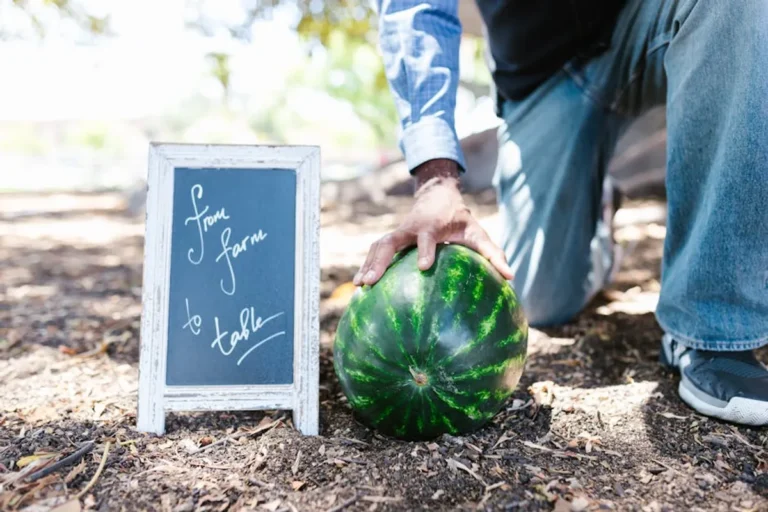

The convergence of food and travel content represents a significant opportunity for publishers and marketers aiming to capture highly engaged audiences. These two content pillars are not merely complementary; they are often inseparable in the user's journey. A traveler's itinerary frequently revolves around culinary experiences, from seeking out local delicacies to planning restaurant visits. Conversely, an interest in specific cuisines or dishes can directly inspire travel to their region of origin. Understanding this inherent link allows for the development of content strategies that address a broader spectrum of user intent, driving increased organic visibility, deeper engagement, and diverse monetization avenues.
The Organic Interplay of Gastronomy and Exploration
Food and travel content exhibit a natural, symbiotic relationship, making their combined approach more potent than treating them as distinct silos. When a user searches for "best street food Bangkok" or "wine tasting tours Tuscany," their intent is inherently dual: they are seeking both a culinary experience and a travel destination. This integrated search behavior means that content optimized for both aspects can satisfy a richer, more complex query, leading to higher click-through rates and longer on-page engagement. The narrative potential is also amplified; a story about a journey to source a rare ingredient in a remote village inherently weaves together geographical exploration with gastronomic discovery, creating a compelling hook for readers.
Blending Keywords for Broader Reach
Effective keyword research in this combined niche requires identifying terms that bridge both domains. Instead of targeting "travel to Italy" and "Italian food" separately, focus on long-tail queries that merge these interests. This includes phrases such as "culinary workshops Florence," "sustainable farm stays Napa Valley," or "best food markets Kyoto." Such specific queries often indicate higher purchase intent or a deeper level of planning, making the traffic more valuable. Analyzing competitor content that successfully ranks for these blended terms can reveal patterns in topic clusters and content formats that resonate with the target audience.
Narrative Storytelling and Experiential Content
The most successful food and travel content moves beyond simple lists or reviews to offer an immersive experience. This involves crafting narratives that transport the reader, detailing not just what to eat or where to go, but the sensory details, cultural context, and personal anecdotes that make a destination or dish memorable. Consider a piece detailing the process of making authentic Neapolitan pizza, interwoven with the history of Naples and recommendations for local pizzerias. This approach fosters a stronger emotional connection with the audience, encouraging longer dwell times and repeat visits. Visual content, including high-quality photography and video, is critical for conveying the appeal of both the food and the destination, directly influencing user decision-making.
Monetization Pathways in the Food-Travel Niche
The dual appeal of food and travel content opens up multiple, robust monetization opportunities beyond traditional display advertising. The high intent associated with many food-travel queries provides fertile ground for direct conversions.
Affiliate Marketing Opportunities
Affiliate partnerships can be highly effective when integrated naturally within content. This includes linking to travel booking platforms for flights, accommodations, or car rentals when discussing a destination. For food-specific content, opportunities exist with cooking class providers, local food tour operators, specialty ingredient retailers, or even kitchenware brands related to a particular cuisine. The key is to recommend products or services that genuinely enhance the user's food or travel experience, maintaining trust and relevance. For example, a guide to Parisian bakeries could include affiliate links to walking food tours or even flight deals to Paris during peak pastry festival season.
Sponsored Content and Brand Partnerships
Brands in both the tourism and food sectors actively seek publishers who can authentically reach their target demographics. This can involve collaborations with tourism boards to promote specific regions' culinary offerings, partnerships with restaurant groups for reviews or features, or working with food product companies to showcase their ingredients in destination-inspired recipes. Successful sponsored content integrates the brand message seamlessly into the existing narrative, providing value to the reader while meeting the brand's objectives. Transparency regarding sponsored content is paramount for maintaining audience trust and complying with advertising regulations.
Technical SEO Considerations for Combined Content
Optimizing content that blends food and travel requires specific technical SEO considerations to ensure maximum visibility and crawlability.
- Schema Markup Implementation: Utilize structured data to provide search engines with explicit information about your content. For food-focused pages, Recipe schema can detail ingredients, cooking times, and nutritional information. For travel-related content, consider LocalBusiness schema for restaurants or hotels, and Event schema for food festivals or culinary events. This enhances rich snippet potential, improving search visibility.
- Strategic Internal Linking: Create a robust internal linking structure that connects related food and travel content. Link from a recipe post for paella to a travel guide for Valencia, or from a review of a specific region's wines to articles about vineyard tours in that area. This strengthens topical authority, aids navigation, and distributes page authority across your site.
- Optimized Site Structure: Develop a site architecture that logically organizes both food and travel content without creating rigid silos. Categories and tags should allow for cross-pollination. For instance, a "Mediterranean Cuisine" category could link to "Greek Island Travel Guides," while a "Food Festivals" category could be nested under both "Events" and "Travel Destinations."
Pro Tip: Leverage user-generated content (UGC) to amplify the authenticity and reach of your food and travel narratives. Encourage readers to share their own culinary travel experiences, photos, and recommendations using specific hashtags. This not only provides fresh content but also builds a community around your brand, fostering loyalty and expanding your organic reach through social signals and shared experiences.
Practical Application for Marketers
To effectively leverage the synergy between food and travel content, marketers should begin by auditing existing assets to identify natural overlap and potential connection points. Develop a content calendar that intentionally plans for integrated pieces, rather than treating food and travel as separate editorial tracks. Prioritize visual content production, investing in high-quality photography and video that captures the essence of both the culinary and destination experiences. Regularly analyze search performance for blended keywords to refine your strategy, adapting to emerging trends in gastronomic tourism and experiential travel. Focus on building topical authority around specific regions or cuisines, positioning your platform as a go-to resource for those planning their next edible adventure.
Frequently Asked Questions
What types of content best combine food and travel?
Content formats such as culinary travel guides, destination-specific recipe collections, food festival reviews, restaurant city guides, and personal travelogues focused on local cuisine are highly effective for blending food and travel narratives.
How can I identify relevant keywords for this niche?
Look for long-tail keywords that explicitly combine food and travel terms, such as "best seafood restaurants Lisbon," "cooking classes Tuscany," or "street food tour Mexico City." Analyze search intent to understand if users are planning a trip, seeking recipes, or researching cultural experiences.
What are the primary monetization strategies?
Key strategies include affiliate marketing for travel bookings, food tours, or specialty products; sponsored content partnerships with tourism boards and food brands; and potentially selling digital products like curated culinary itineraries or regional recipe e-books.
How does visual content impact engagement in this area?
High-quality photography and video are crucial for conveying the appeal of both food and travel. Visuals help evoke emotion, showcase the authenticity of experiences, and significantly increase user engagement, shareability, and conversion rates by providing a vivid preview of what to expect.