
Food co-ops operate at the intersection of community mission and commercial enterprise, a duality that necessitates distinct operational and strategic best practices. Unlike conventional retailers, co-ops must balance member-centric values, democratic governance, and sustainable business models. Adopting a structured approach to these practices is not merely about efficiency; it is critical for long-term viability, member satisfaction, and the sustained impact of the co-operative model in a competitive market. This guide outlines key areas where strategic implementation of best practices can significantly enhance a food co-op's performance and resilience, offering actionable insights for those overseeing or advising such organizations.
Cultivating Member Engagement and Governance
Effective member engagement is the bedrock of any successful food co-op. This extends beyond transactional interactions to fostering a sense of ownership and active participation. Best practices here involve transparent communication channels, accessible governance structures, and clear pathways for members to contribute. Regular, well-communicated board meetings, annual general meetings, and member forums provide essential platforms for democratic decision-making and feedback. Implementing digital tools for voting, surveys, and discussion boards can lower barriers to participation, especially for members with time constraints or geographical distance.
Streamlining Communication and Feedback Loops
Establishing clear, consistent communication protocols ensures members remain informed and feel heard. This includes:
- Regular Newsletters: Distributing updates on store operations, financial performance, community events, and governance matters.
- Dedicated Feedback Channels: Providing accessible methods for suggestions, complaints, and inquiries, such as suggestion boxes, email addresses, or online forms, with a commitment to timely responses.
- Member Surveys: Periodically conducting surveys to gauge satisfaction, identify needs, and inform strategic planning.
- Volunteer Coordination: Creating structured volunteer programs with clear roles and responsibilities, recognizing that volunteer labor often forms a significant operational pillar.
Robust engagement directly correlates with member retention and advocacy, translating into a stable customer base and reduced marketing costs.
Optimizing Sourcing and Inventory Management
For food co-ops, sourcing decisions carry ethical, environmental, and economic weight. Best practices involve developing strong relationships with local and ethical producers, diversifying supply chains, and implementing efficient inventory controls to minimize waste and maximize freshness. Prioritizing local sourcing reduces transportation costs and carbon footprint while supporting regional economies, aligning with co-op values.
Implementing Efficient Inventory Systems
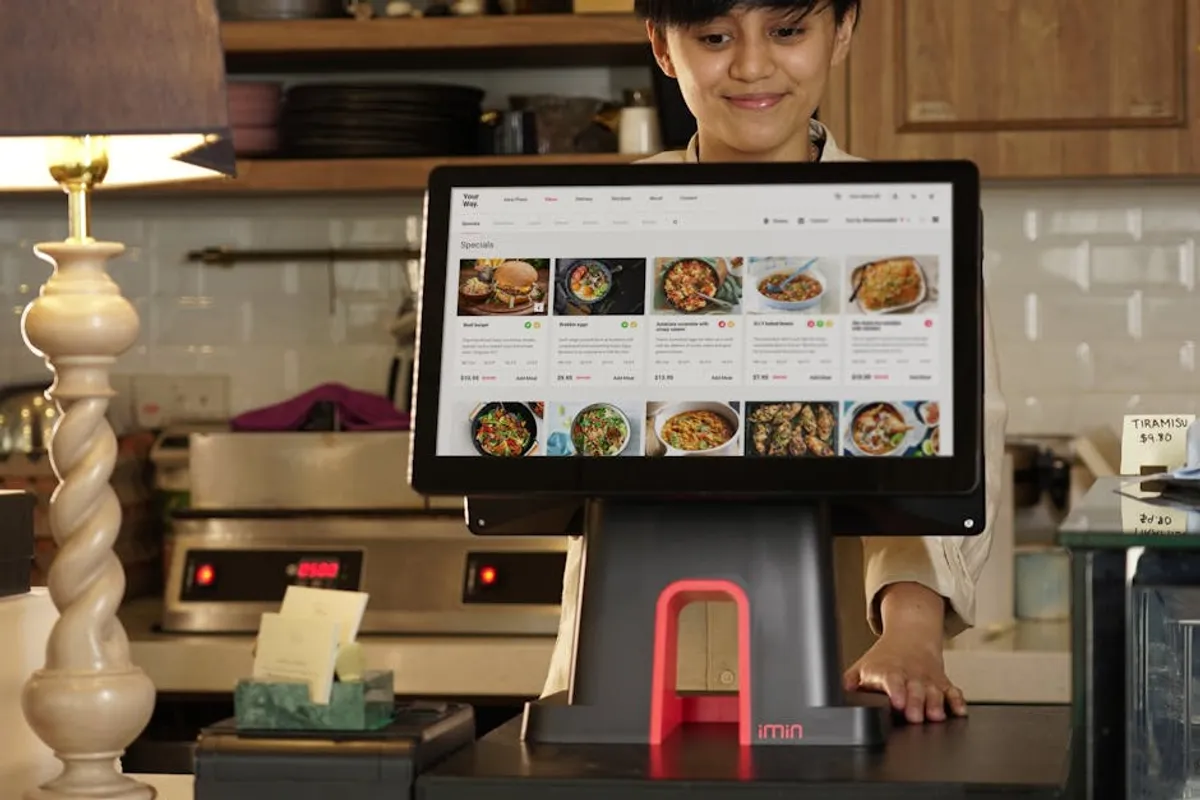
Modern inventory management systems are crucial for tracking product movement, predicting demand, and reducing spoilage. Utilizing point-of-sale (POS) systems integrated with inventory software allows for real-time data analysis. This enables informed purchasing decisions, optimizes shelf space, and prevents stockouts or overstocking, both of which impact profitability. Regular inventory audits and cycle counting further refine accuracy and identify discrepancies.
Pro Tip: Integrate your POS system directly with inventory management software. This real-time data flow is essential for accurate demand forecasting, reducing waste, and ensuring product availability, directly impacting member satisfaction and financial performance.
Ensuring Financial Resilience
Financial sustainability is paramount for a co-op's long-term existence. Best practices encompass transparent financial reporting, prudent budgeting, and diverse revenue streams. Members, as owners, expect clear and accessible financial statements that illustrate the co-op’s health and how their contributions are utilized. Developing a robust budget process that accounts for operational costs, capital expenditures, and potential market fluctuations is non-negotiable.
Diversifying Revenue and Managing Capital
Beyond sales, co-ops can explore additional revenue streams such as cooking classes, community workshops, café services, or bulk ordering programs. Sound capital management involves maintaining adequate reserves for emergencies, planning for facility improvements, and strategically investing in technology upgrades. Educating members on the financial model, including patronage refunds and capital contributions, reinforces their understanding of the co-op's unique economic structure.
Building Community and Educational Outreach
A food co-op's mission often extends beyond selling groceries to fostering community well-being and educating members on food systems. Best practices in this area involve active participation in local initiatives, offering educational programs, and collaborating with other community organizations. This strengthens the co-op's brand as a community asset and attracts new members.
Engaging Through Programs and Partnerships
Organize workshops on sustainable living, healthy eating, or food preparation. Partner with local schools, farms, or non-profits for events that highlight shared values. Offering accessible food options, such as subsidized produce programs or SNAP/EBT acceptance, can expand reach and address food insecurity within the community, reinforcing the co-op's social mission.
Streamlining Operations and Technology Adoption
Operational efficiency underpins a co-op's ability to deliver value to its members consistently. This involves optimizing store layout, staff training, and leveraging technology to automate repetitive tasks. Best practices dictate a continuous review of operational workflows to identify bottlenecks and areas for improvement.
Leveraging Digital Tools for Efficiency
Adopting appropriate technology can significantly enhance operational effectiveness. This includes:
- Modern POS Systems: For faster checkout, accurate sales data, and customer relationship management.
- Online Ordering Platforms: Allowing members to pre-order for pickup or delivery, expanding convenience.
- Digital Staff Scheduling: Optimizing labor costs and ensuring adequate coverage.
- Cloud-Based Accounting Software: For streamlined financial management and reporting.
Investing in staff training for these systems ensures smooth implementation and maximizes their benefits, reducing errors and improving overall service quality.
Effective Digital Presence and Communication
In today's landscape, a strong digital presence is crucial for reaching potential members, communicating with existing ones, and showcasing the co-op's unique value proposition. Best practices involve maintaining an informative website, active social media channels, and engaging email marketing campaigns.
Crafting a Cohesive Online Strategy
Your website should serve as a central hub for information: store hours, product offerings, membership details, events calendar, and governance documents. Social media platforms can be used for daily updates, highlighting new products, sharing community stories, and running promotional campaigns. Email marketing remains a highly effective tool for direct communication about sales, events, and important co-op news. Ensure all digital channels reflect the co-op's values and brand identity consistently.
Implementing for Long-Term Success
Adopting best practices within a food co-op requires a commitment to continuous improvement and an understanding that the co-operative model is dynamic. Regular evaluation of these practices against key performance indicators (KPIs) and member feedback is essential. This iterative process allows co-ops to adapt to changing market conditions, member needs, and operational challenges, ensuring their mission remains relevant and their operations remain sustainable. Prioritizing transparency, member education, and technological integration will empower the co-op to thrive, delivering both economic and social value to its community for years to come.
Frequently Asked Questions
What are the primary challenges food co-ops face in implementing best practices?
Food co-ops often face challenges such as limited capital for technology investments, reliance on volunteer labor, balancing community values with commercial pressures, and managing diverse member expectations. Overcoming these requires strategic planning, clear communication, and a focus on incremental improvements.
How can a food co-op improve member participation in governance?
Improving participation involves making governance processes more accessible and transparent. This includes offering hybrid meeting formats (in-person and online), simplifying complex proposals, clearly communicating the impact of member input, and actively soliciting feedback through various channels, including digital surveys.
What technology is essential for modern food co-ops to adopt?
Essential technologies include integrated Point-of-Sale (POS) and inventory management systems, online ordering platforms (for pickup/delivery), cloud-based accounting software, and robust communication tools like email marketing platforms and social media management systems. These enhance efficiency, data accuracy, and member convenience.
How do co-ops balance their mission with the need for profitability?
Balancing mission with profitability requires a clear understanding of the co-op's unique economic model. This involves transparent financial planning, diversifying revenue streams, optimizing operational efficiencies to control costs, and educating members on how their purchases and capital contributions directly support the co-op's mission and sustainability. Profitability ensures the co-op can continue to deliver on its mission.