
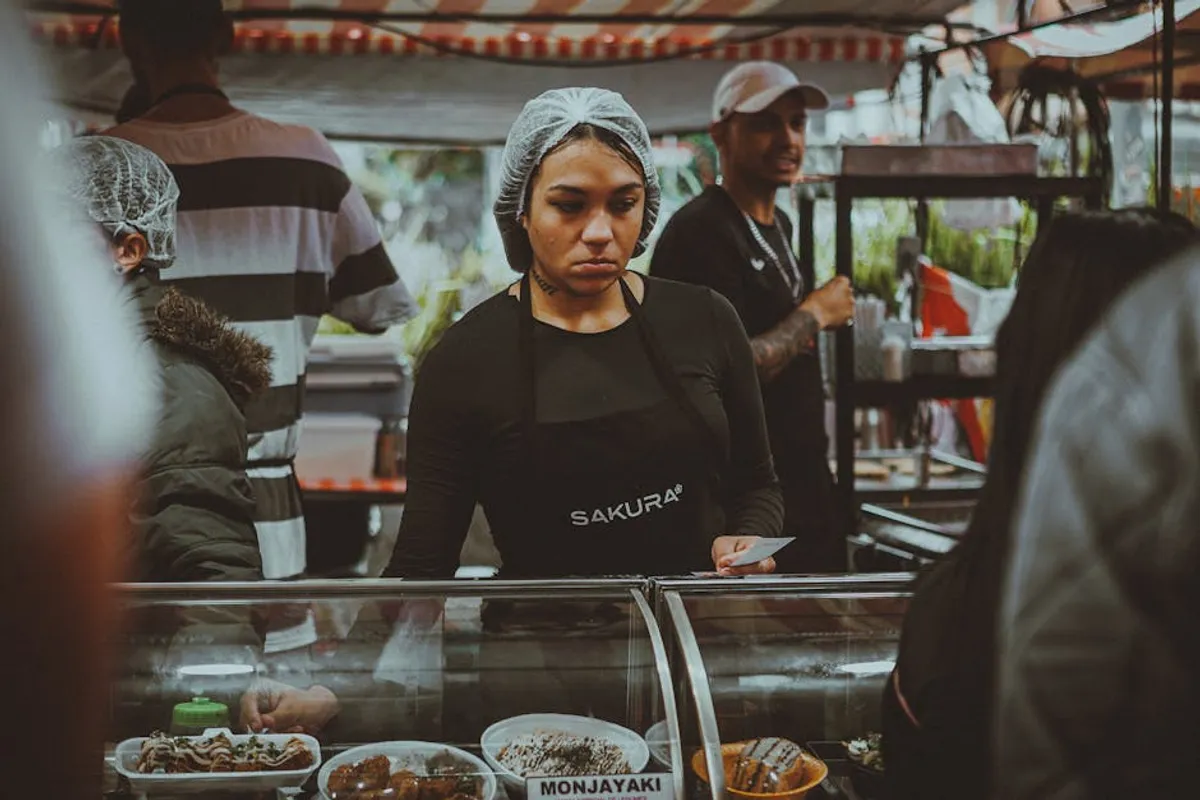
Brazilian cuisine reflects a vibrant tapestry of indigenous, African, and European influences, creating a culinary landscape that is both diverse and deeply flavorful. For anyone planning to explore Brazil or simply seeking to understand its gastronomic identity, recognizing these foundational elements is key. This guide outlines popular dishes, the distinct flavors that define them, and practical advice for navigating the country's food scene, ensuring an informed and enjoyable experience.
Popular Brazilian Dishes to Seek Out
The breadth of Brazilian food means a single trip only scratches the surface. However, several dishes stand as national icons, offering a taste of the country's culinary soul.
Feijoada Completa: A National Staple
Feijoada is widely considered Brazil's national dish, a hearty stew of black beans with various cuts of beef and pork, including smoked sausage, dried beef, and ribs. Traditionally served with white rice, farofa (toasted cassava flour), collard greens, and orange slices, it represents a complete meal. Its origins trace back to the kitchens of enslaved Africans, who adapted available ingredients to create a nourishing dish. While often prepared on Wednesdays and Saturdays, its rich, savory profile makes it a year-round comfort food. The complexity of its preparation, involving soaking beans and slow-cooking meats, contributes to its deep umami flavor.
Churrasco: The Art of Brazilian Barbecue
Churrasco is more than just barbecue; it's a social event and a culinary tradition, particularly prominent in the southern state of Rio Grande do Sul. Meats, often large cuts like picanha (top sirloin cap), alcatra (sirloin), and costela (ribs), are skewered and slow-roasted over open flames or embers. The simplicity of seasoning—coarse salt—allows the quality of the meat to shine. In churrascarias (steak houses), waiters continuously serve different cuts directly from the skewer to diners, providing a continuous flow of perfectly cooked, tender meat. This experience emphasizes fresh, high-quality ingredients and a communal dining atmosphere.
Moqueca: Seafood Stew from the Coast
Moqueca is a fragrant fish stew, primarily found in the coastal regions of Bahia and Espírito Santo, each offering a distinct version. Moqueca Baiana, from Bahia, is characterized by its use of dendê oil (palm oil), coconut milk, tomatoes, onions, garlic, and cilantro, giving it a rich, orange hue and a distinctive, slightly earthy flavor. Moqueca Capixaba, from Espírito Santo, omits the dendê oil and coconut milk, relying instead on olive oil, annatto, and a touch of lime, resulting in a lighter, more delicate stew. Both versions typically feature firm white fish (like snapper or cod) and often include shrimp or other seafood. The preparation in clay pots allows for even cooking and enhances the flavors.
Pão de Queijo: Cheesy Bread Puffs
These small, gluten-free cheese rolls are a ubiquitous snack and breakfast item across Brazil. Made from cassava flour (tapioca flour), eggs, and cheese (often Minas cheese), they have a distinctive chewy texture and a savory, cheesy interior with a crisp exterior. Pão de queijo is particularly popular in Minas Gerais, where it originated. Its simplicity and satisfying flavor make it a staple in bakeries, coffee shops, and homes, served warm throughout the day. The use of tapioca flour gives it a unique elasticity not found in wheat-based breads.
Acarajé: Street Food from Bahia
Acarajé is a deep-fried patty made from mashed black-eyed peas, seasoned with onions and salt. It is traditionally split open and filled with vatapá (a creamy paste of bread, shrimp, coconut milk, and palm oil), caruru (okra stew), and a spicy shrimp vinaigrette. This flavorful street food is a culinary symbol of Bahia, deeply rooted in Afro-Brazilian culture and traditionally sold by baianas (women dressed in traditional white cotton dresses). The combination of textures—crispy exterior, soft interior, and varied fillings—creates a complex and satisfying bite.
Distinctive Brazilian Flavors and Ingredients
The flavor profile of Brazilian cuisine is built on a foundation of indigenous ingredients, tropical fruits, and aromatic spices. Understanding these components illuminates the unique taste of the dishes.
- Dendê Oil (Palm Oil): A vibrant orange oil with a distinctive, slightly nutty, and earthy flavor. Essential to Bahian cuisine, it imparts color and richness to dishes like moqueca and acarajé.
- Cassava (Manioc/Yuca): A versatile root vegetable, fundamental to Brazilian cooking. It appears as farinha (toasted flour), tapioca (starch for crepes and pão de queijo), and boiled or fried as a side dish.
- Tropical Fruits: Brazil boasts an incredible array of fruits, many indigenous. Açaí, cupuaçu, caju (cashew fruit), maracujá (passion fruit), and graviola (soursop) are used in juices, desserts, and even savory sauces, contributing tart, sweet, and unique aromatic notes.
- Cilantro and Scallions: Fresh herbs like cilantro (coentro) and green onions (cebolinha) are widely used, particularly in stews and seafood dishes, providing brightness and aromatic depth.
- Pimenta (Chili Peppers): While not all Brazilian food is spicy, various chili peppers are used to add heat and flavor, often served as a condiment on the side. Malagueta pepper is particularly common.
- Coconut Milk: A key ingredient in coastal and Northeastern dishes, providing creaminess and a subtle sweetness, especially in moquecas and seafood stews.
Pro Tip for Travelers: When trying street food, observe where locals are queuing. High turnover usually indicates freshness and popularity. For acarajé, specify your spice preference; the traditional version can be quite fiery.
Navigating Brazilian Culinary Experiences
To fully appreciate Brazilian food, some practical considerations can enhance your journey.
Restaurant Types and Dining Etiquette
Brazil offers a range of dining experiences. Churrascarias, especially rodízio-style (all-you-can-eat), provide a continuous parade of meats. Kilo restaurants are popular for lunch, where you pay by the weight of your plate, allowing for varied sampling. Traditional à la carte restaurants offer regional specialties. Tipping is customary, usually 10% (gorjeta), and sometimes already included as a service charge (serviço) on the bill.
Understanding Regional Specialties
Brazilian cuisine varies significantly by region. The Northeast (Bahia, Pernambuco) is known for its African-influenced dishes, coconut milk, and dendê oil. The Southeast (Minas Gerais, São Paulo) features hearty, rustic fare like pão de queijo and feijoada. The South (Rio Grande do Sul) is famous for its churrasco. The Amazon region offers unique fish and fruits not found elsewhere. Being aware of these regional differences allows for more targeted culinary exploration.
Beverages to Accompany Your Meal
Beyond food, Brazil offers distinctive drinks. The caipirinha, made with cachaça (sugarcane spirit), lime, and sugar, is the national cocktail. Guaraná, a carbonated soft drink made from the Amazonian guaraná fruit, is refreshing and unique. Fresh fruit juices (sucos) are ubiquitous and highly recommended, offering a taste of the country's rich fruit diversity.
Experiencing Brazilian Cuisine Authentically
Engaging with Brazilian food means more than just eating; it involves embracing the culture. Visit local markets (mercados municipais) to see the fresh produce, spices, and regional ingredients firsthand. Don't shy away from trying street vendors, but choose wisely. Ask locals for their favorite spots; their recommendations often lead to the most authentic and memorable meals. Embrace the communal aspect of dining, especially at a churrascaria or during a feijoada gathering. This approach moves beyond mere consumption to a deeper appreciation of Brazil's culinary heritage.
Frequently Asked Questions About Brazilian Food
Is Brazilian food generally spicy?
No, not typically. While chili peppers (pimenta) are used and often offered as a condiment on the side, most traditional Brazilian dishes are not inherently spicy. The heat level is usually controlled by the diner.
Are there good vegetarian options in Brazil?
Finding strictly vegetarian options can sometimes be challenging outside of major cities, as meat is central to many dishes. However, rice, beans, farofa, salads, and fresh fruits are widely available. Kilo restaurants often provide a good selection of vegetable-based sides.
What is the difference between cachaça and rum?
Both cachaça and rum are distilled from sugarcane. However, cachaça is exclusively made from fresh sugarcane juice, while rum can be made from either sugarcane juice or molasses. This distinction gives cachaça a more herbaceous and grassy flavor profile compared to many rums.
What is the best way to try a variety of Brazilian dishes?
For a broad sampling, consider visiting a kilo restaurant for lunch, where you can select from a buffet of various hot and cold dishes, paying by weight. Exploring local markets and food stalls also offers opportunities to try smaller portions of different regional specialties.